
Tiramisu is an old Italian classic.
Many people think tiramisu is an old Italian classic. It is actually a modern dessert from north-east Italy. The best-known story says it was made in Treviso around 1969, but nearby cooks in Friuli claim it was theirs first.
The coffee-and-mascarpone dessert appears in north-east Italy in the mid-twentieth century, most famously at Le Beccherie in Treviso around 1969, and is absent from older cookbooks.
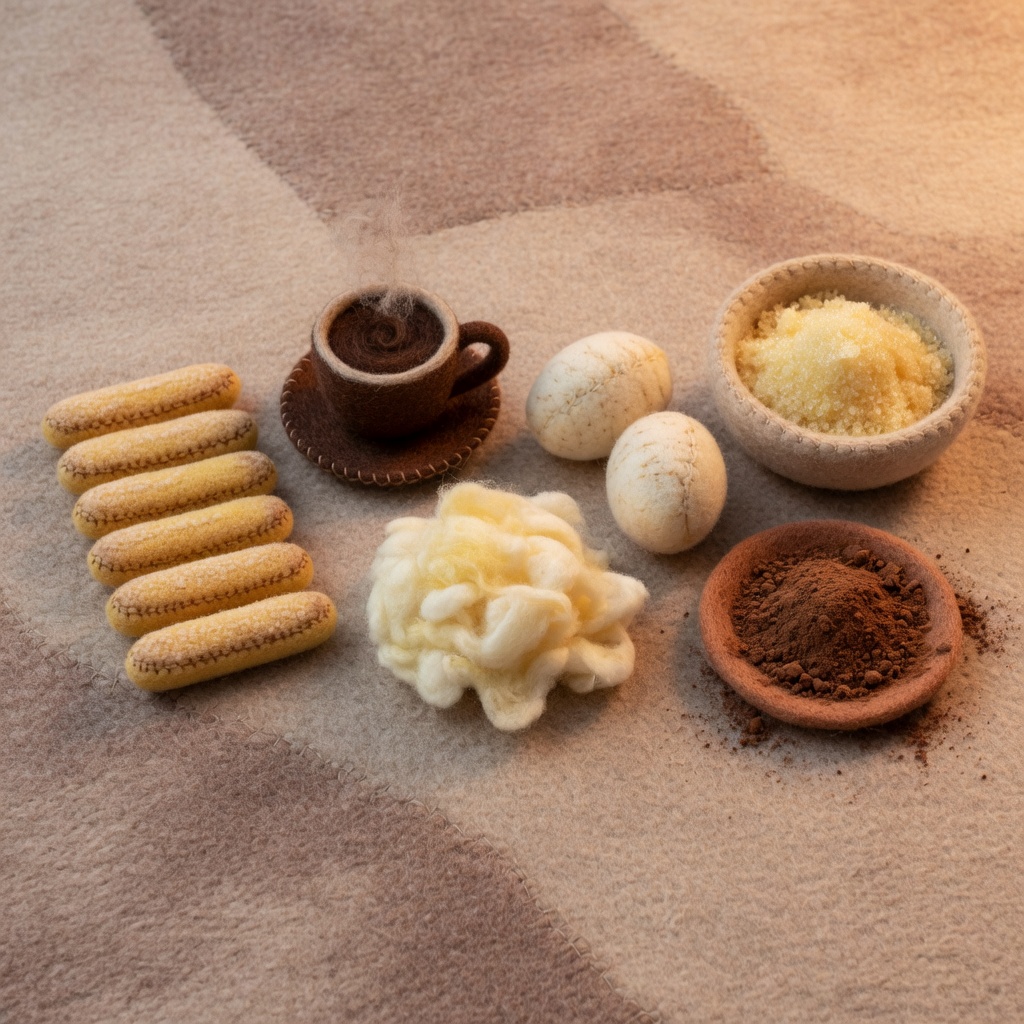
Tiramisu is made of sponge fingers soaked in coffee, layered with a rich cream of mascarpone, eggs and sugar. Mascarpone is a soft, creamy Italian cheese. On top goes a dusting of cocoa. It feels like a very old recipe, but it is not.
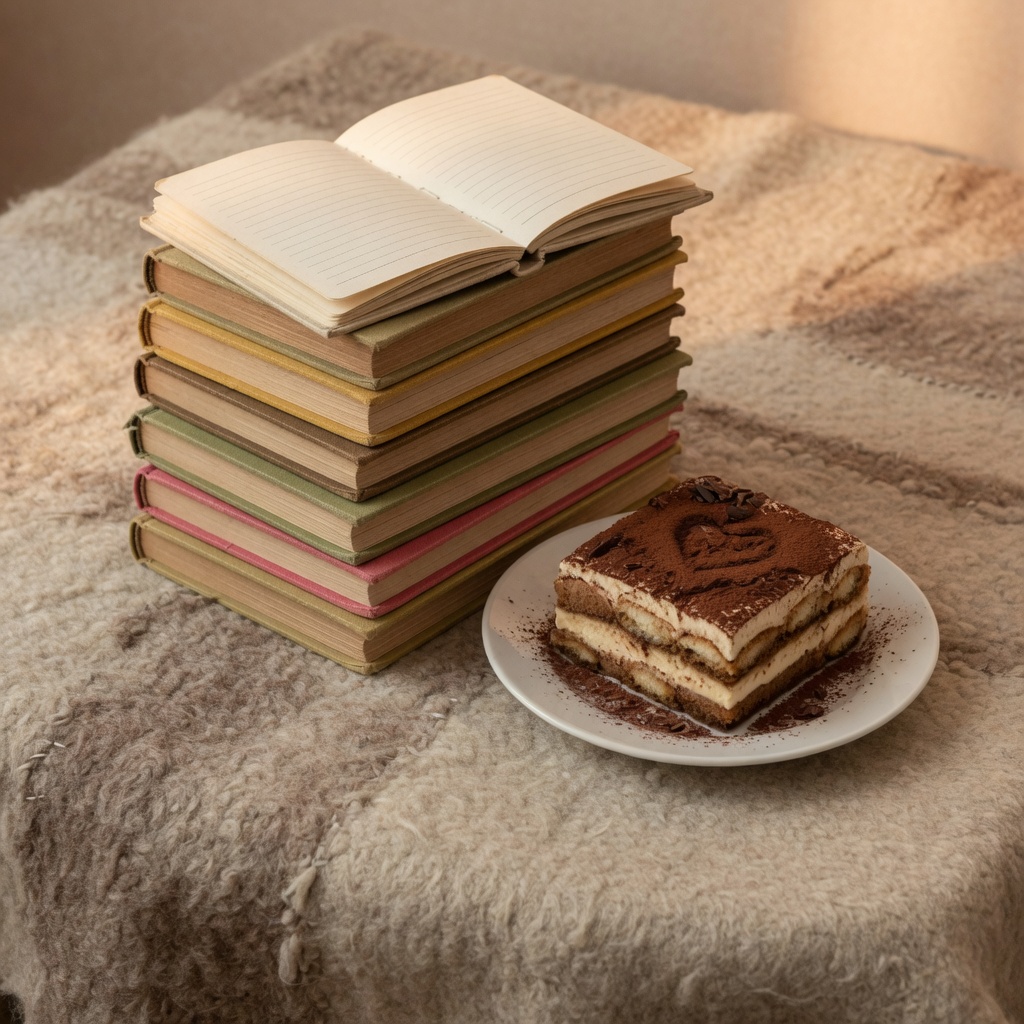
Historians have looked for tiramisu in old Italian cookbooks. They have not found it before the 1960s. There is a story that it was made in the 1600s for a duke in Siena, but there is no evidence for it.
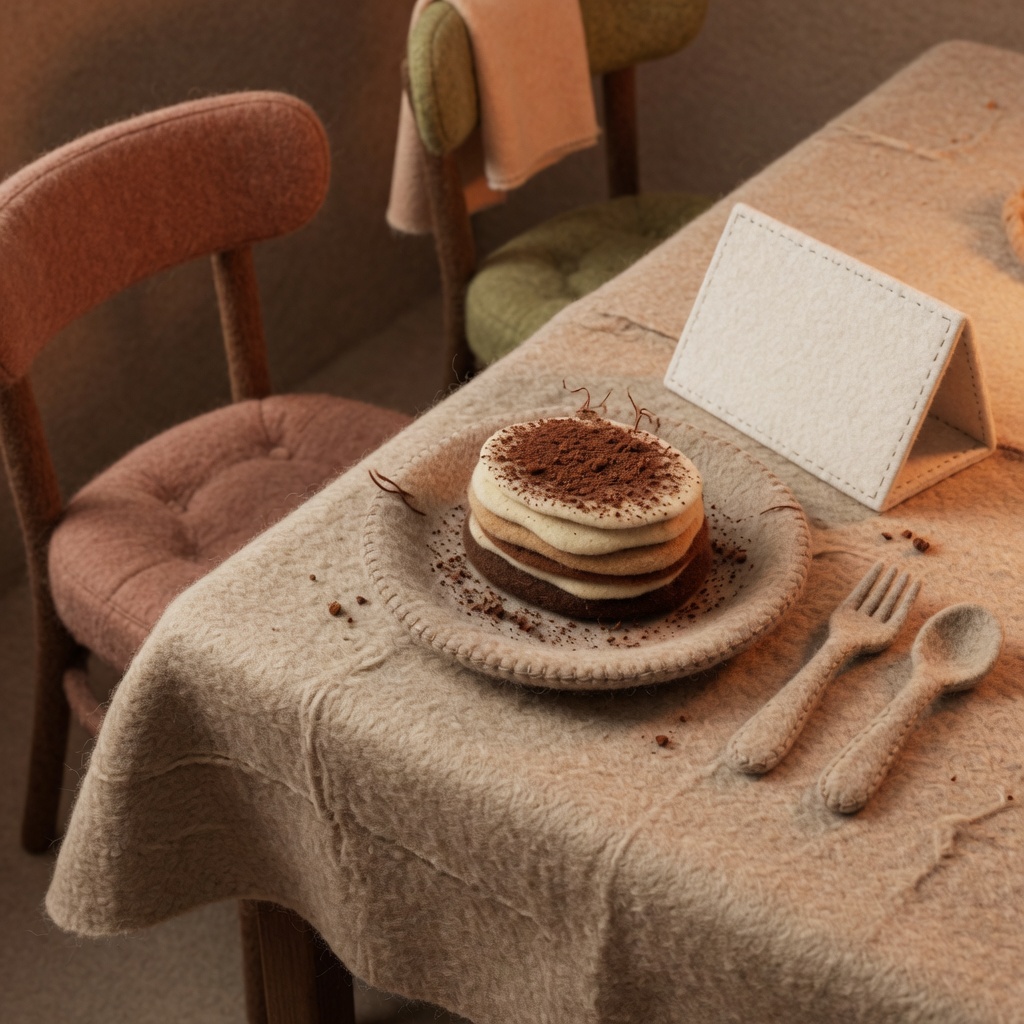
The best-known story comes from Treviso, a city near Venice. Ado Campeol and his wife Alba Di Pillo ran a restaurant there called Le Beccherie. The restaurant says the dessert was born in its kitchen in 1969. Alba and the pastry chef Roberto Linguanotto worked on the recipe. Tiramisu went on the restaurant's menu in 1972. It first appeared in print in a food magazine in 1981.
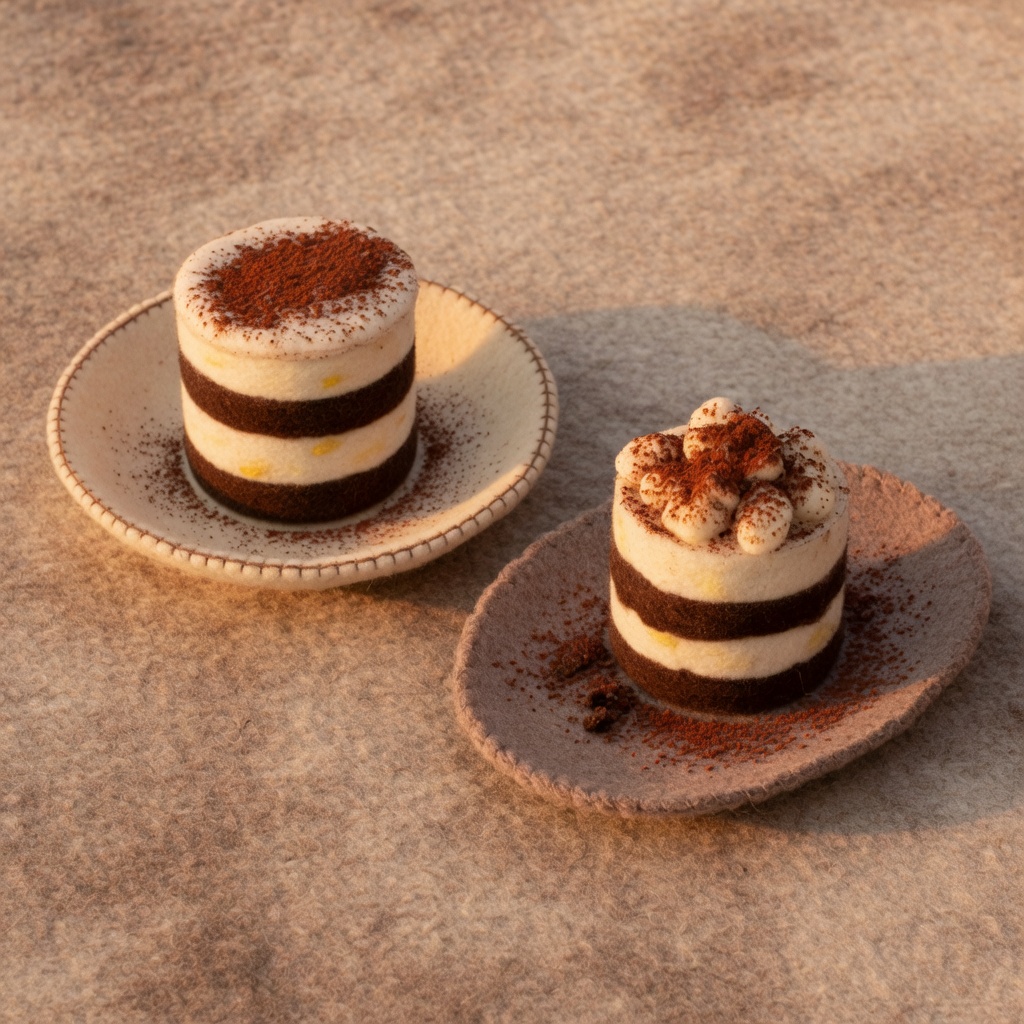
But the neighbouring region, Friuli Venezia Giulia, has its own claims. Food writers found a tiramisu made by a cook called Norma Pielli at a hotel in Tolmezzo in 1959. There are also reports of a cold dessert with a similar name served in Pieris in the late 1930s, though it seems to have been different. In 2017 Italy's government listed tiramisu as a traditional food of Friuli. That made people in the Veneto region cross. Nobody has found proof that settles the argument.
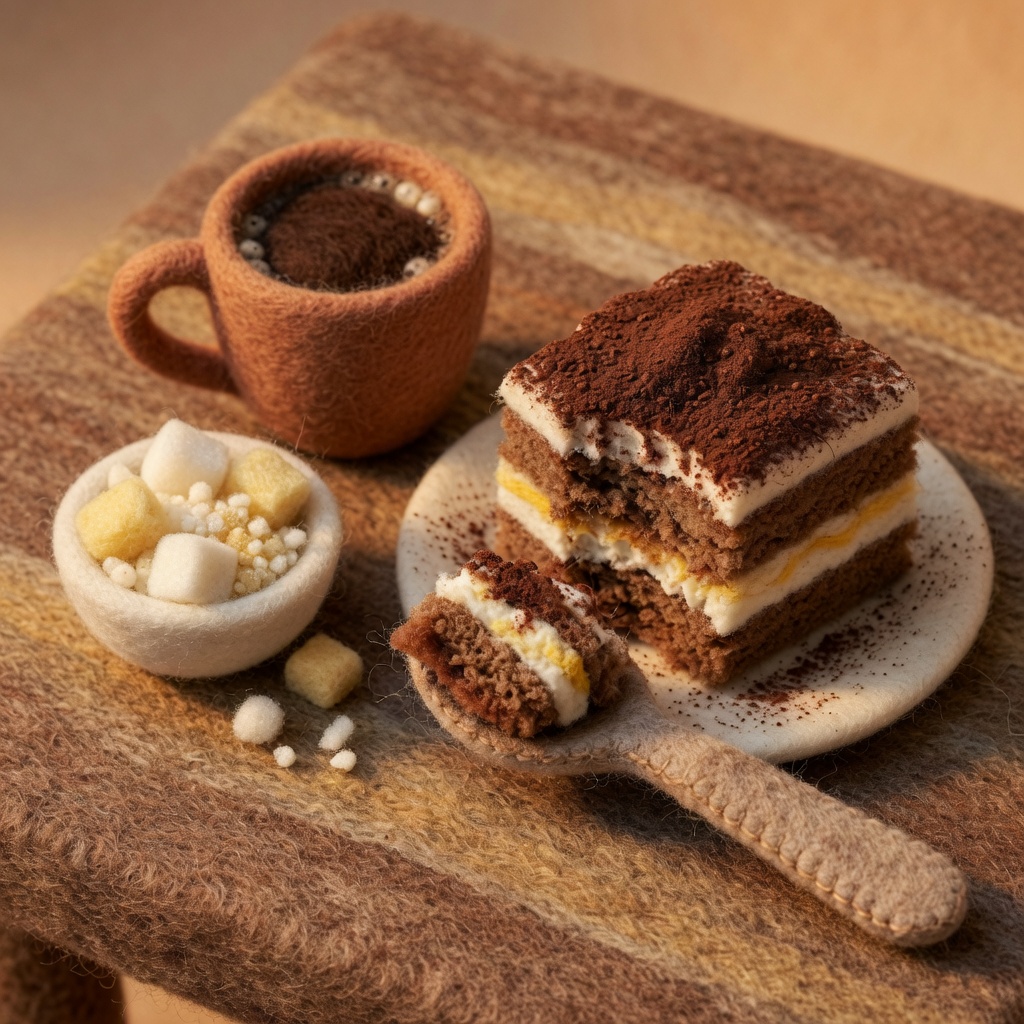
Everyone agrees on the name. Tirami su means "pick me up" in Italian, a fitting name for a pudding full of coffee and sugar. The ingredients had been in north-east Italian kitchens for many years. Someone just had to stack them in layers.
Tiramisu then spread fast. By the 1980s it was popular across Europe and North America. If the Treviso story is right, tiramisu is even younger than the 1969 moon landing.
Want to know more?The full history, step by step
The story you've heard
Coffee-soaked sponge fingers, a rich cream of mascarpone, eggs and sugar, and a dusting of cocoa on top. Tiramisu is on dessert menus from Rome to Tokyo, and it is easy to picture it being passed down through generations of Italian families, perhaps since the Renaissance.
There is even a story to match: that it was created in seventeenth-century Siena to honour the Grand Duke Cosimo III. It is a lovely tale, but nobody has found evidence for it. When historians look for tiramisu in old Italian cookbooks, they come up empty. Recipes simply do not appear before the 1960s.
What really happened
The best-known account comes from Treviso, a handsome city north of Venice. There, Ado Campeol and his wife Alba Di Pillo ran a restaurant called Alle Beccherie. According to the restaurant's story, the dessert was born there in 1969, with Alba and the pastry chef Roberto Linguanotto perfecting the recipe. Some versions say it began with a happy accident, when mascarpone ended up in an egg-and-sugar mixture meant for vanilla ice cream; obituaries for Campeol even give the date as 24 December 1969. Other tellings say Linguanotto created it to give Alba an energy boost.
What is better documented is that the dessert went on Le Beccherie's menu in 1972. Its first appearance in print came in 1981, in a column by the gourmet Giuseppe Maffioli in a Veneto food and wine magazine. The word tiramisù entered an Italian dictionary in 1980 and an English one in 1982, and it was absent from encyclopedias of the 1970s. Ado Campeol, often called the father of tiramisù, died in 2021 aged 93.
The Campeol family never patented their recipe, and that left room for rivals. In Treviso itself, other cooks have been named, including Speranza Garatti and the pastry chef Carminantonio Iannaccone, who told reporters he invented it.
The neighbours' claim
The fiercest challenge comes from the neighbouring region of Friuli Venezia Giulia. Food writers Clara and Gigi Padovani found evidence of a semi-frozen dessert called tiremesù served at the Vetturino restaurant in Pieris, said to date back to the late 1930s, though it seems to have been quite different, made with cream rather than mascarpone. They also point to a 1959 tiramisù made by the cook Norma Pielli at the Albergo Roma in Tolmezzo, in the mountains of Friuli.
In July 2017, Italy's agriculture ministry added tiramisù to its list of traditional food products for Friuli Venezia Giulia, which upset politicians in the Veneto. Food historians have not found proof that settles the matter, so the honest answer is that its exact birthplace is disputed. Either way, it belongs to north-east Italy, and it is a twentieth-century creation.
Pick me up
Everyone agrees on the name. Tirami su means pick me up or cheer me up, and in the Venetian dialect it is tiramesù. With strong coffee, sugar and eggs, it lives up to the promise.
The ingredients are much older than the dessert. Sponge fingers called savoiardi had long been used in Italian puddings, egg yolks beaten with sugar were a traditional pick-me-up in the region, and the layered zuppa inglese may have been an inspiration. Mascarpone was already being made industrially around Treviso by the 1930s. Coffee had been paired with egg creams in Italian recipes since at least the nineteenth century. In other words, all the pieces were sitting in north-eastern Italian kitchens for decades. Someone only had to put them together in layers.
On your plate today
Tiramisu spread out of Italy remarkably quickly. A Sydney newspaper mentioned it in a restaurant column in 1978, and by the 1980s it was fashionable across Europe and North America. Today it is one of the best-known Italian desserts in the world, and Treviso even hosts a tiramisu world cup.
So the next time you dig a spoon into one, remember that this classic is about the same age as many of the people eating it. If the Treviso story is right, it is even younger than the moon landing.
Timeline
- Late 1930sA semi-frozen 'tiremesù' is said to be served at the Vetturino restaurant in Pieris, Friuli.
- 1959Norma Pielli's tiramisù is recorded at the Albergo Roma in Tolmezzo, Friuli.
- 1969Le Beccherie in Treviso dates its tiramisù to this year.
- 1972Tiramisù goes on the menu at Le Beccherie.
- 1981The dessert appears in print in a Veneto food and wine magazine.
- 2017Italy's agriculture ministry lists tiramisù as a traditional product of Friuli Venezia Giulia.
Sources
- Italy bids farewell to Ado Campeol, father of Tiramisù · Wanted in Rome
- Tiramisu · Wikipedia
- Tiramisù, or 'Pick Me Up': The Mamma's Dessert Italians Love the Most · La Voce di New York
Spotted something we got wrong? Message us on any of our channels and we'll check it.
Woolly facts
Tiramisu does not appear in Italian cookbooks before the 1960s, so it is much younger than most people think.
The name tiramisu comes from the Italian tirami su, which means "pick me up" or "cheer me up".
The restaurant Le Beccherie in Treviso, Italy, says tiramisu was born in its kitchen in 1969 and put it on the menu in 1972.
Cook Norma Pielli made a tiramisu at a hotel in Tolmezzo, in Italy's Friuli region, in 1959, according to food writers.
In 2017 Italy's agriculture ministry listed tiramisu as a traditional food of Friuli Venezia Giulia, upsetting the neighbouring Veneto region.
The word tiramisu entered an Italian dictionary in 1980 and an English one in 1982.
The original tiramisu at Le Beccherie in Treviso was made in a round dish, not the rectangular tray used today.
Ado Campeol, the Treviso restaurant owner often called the father of tiramisu, died in 2021 aged 93.