
The phrase "trick or treat" was first printed in Canada.
The famous Halloween chant seems to have been printed first in Canada. Ontario newspapers printed versions of it in 1917, and an Alberta report used the exact words trick or treat in 1927. Back then, the tricks were real pranks.
The earliest known printed versions of the chant come from Ontario newspapers in 1917, and the exact words trick or treat appear in an Alberta report in 1927.
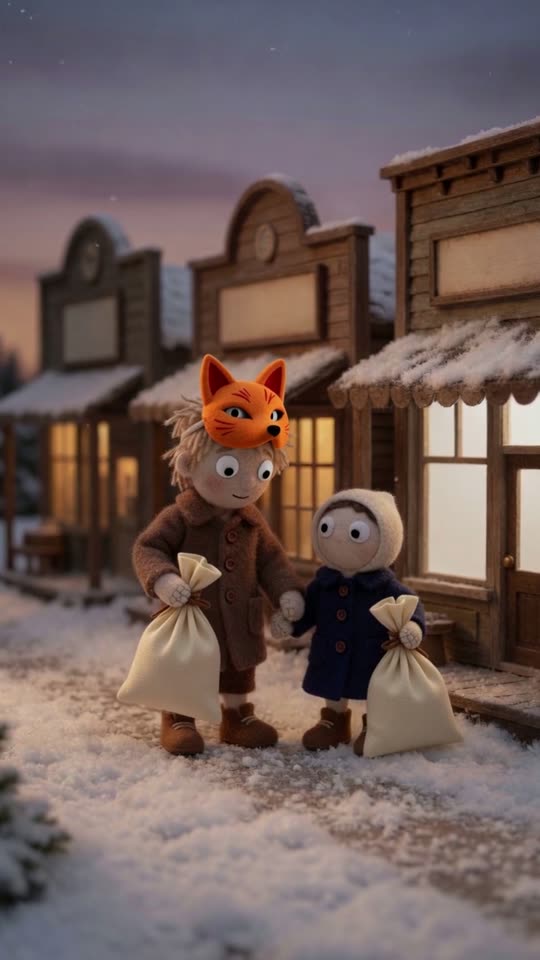
A hundred years ago, Halloween in North America was a night of pranks. Young people broke windows, took gates off fences and threw flour at people walking by. Many grown-ups dreaded it.
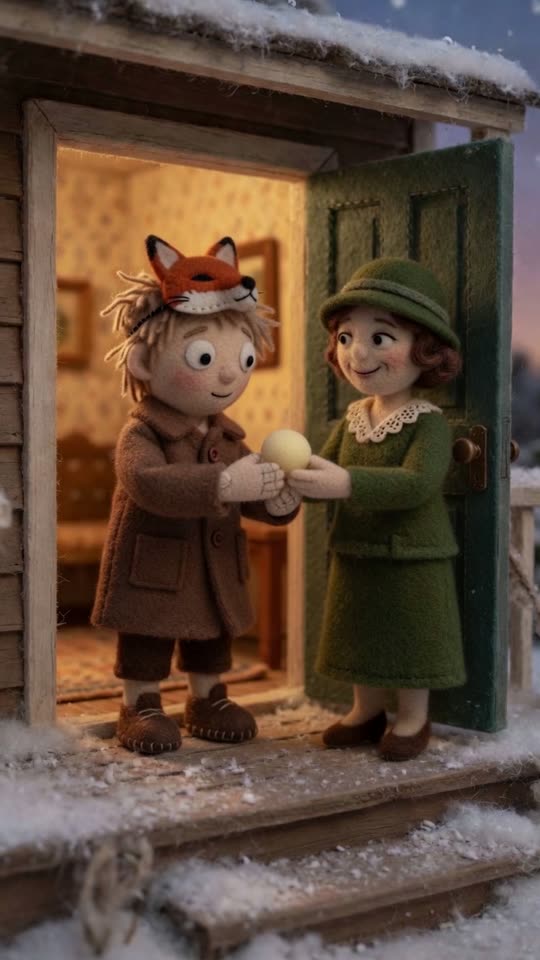
To keep the peace, some people handed out treats. If you gave the pranksters something nice, they might leave your house alone. Treats back then were usually homemade, like cakes and biscuits.
In 1917, two newspapers in Ontario, Canada, wrote about children calling out a deal at the door. One printed tricks or treats. The other printed treat or trick. These are the oldest known printed versions of the chant.
Ten years later, in 1927, a report from the small town of Blackie, Alberta, used the exact words trick or treat. A word historian named Barry Popik found it. A dictionary made at the University of British Columbia now lists trick or treat as a Canadian expression.
Then came the Second World War. Sugar was rationed, which means each family could only buy a small amount. Sweets became hard to find. Many towns cancelled Halloween or held parties instead, to keep children off the streets.
After the war, sugar was easy to buy again. Companies made piles of Halloween sweets, and new suburbs had safe streets full of houses. In the 1950s, trick-or-treating took off across North America. Today, children all over the world say those three words, and hardly anyone expects a trick.
Want to know more?The full history, step by step
The story you've heard
Most people assume trick or treat is as American as apple pie. Halloween in the United States, with its glowing porches and giant sweet bowls, is famous around the world, so it seems natural that the phrase was born there too.
But the dictionary detectives tell a different story. When researchers went hunting through old newspapers for the earliest printed examples of the chant, the trail led north of the border, to Ontario and then to the Canadian Prairies.
What the old newspapers say
The Dictionary of Canadianisms on Historical Principles, a scholarly dictionary produced at the University of British Columbia, lists trick or treat as a Canadian expression. Its reason is simple: the earliest recorded versions of the chant come from Ontario in 1917.
That year, the Sault Star in Sault Ste. Marie, a town on the border with Michigan, described young people calling out tricks or treats. A householder who handed over something good was left in peace, at least until the next gang arrived. In the same year, the Sun in Owen Sound reported children in false faces greeting a writer at the door with the words treat or trick.
The Prairie provinces offer the next clues. In 1924 the Edmonton Bulletin mentioned the familiar demand treat up, or tricks. Then, in 1927, a report from the small town of Blackie, Alberta, described children at back and front doors calling trick or treat, in the words we still use today. The etymologist Barry Popik, a researcher who traces the history of words, is credited with spotting that Blackie report.
When the tricks were real
The phrase made sense because the threat was real. Long before sweets dominated the night, Halloween in North America was a festival of mischief. According to Heritage Park, a history museum in Calgary, pranksters broke windows, lifted front gates off fences and threw flour at passers-by. Cabbage stalks were hurled so often that some places called it Cabbage Night.
Treats were the bargain grown-ups struck to protect their property. Early treats were usually homemade: cakes, biscuits and apples. Some families even sent postcards warning loved ones to be careful in October. Dressing up and calling at doors was older than the phrase, too. A Vancouver newspaper described disguised children making friendly visits on Halloween as early as 1898.
War, sugar and a fresh start
The Second World War nearly put a stop to it. From 1942, sugar was strictly rationed, which made hunting for sweets almost pointless. In the United States, many towns cancelled Halloween or brought in curfews, and newspapers even compared young pranksters to saboteurs. Instead, communities organised parties and dances to keep children off the streets.
When the war ended and sugar rationing was lifted, things changed quickly. Companies began mass-producing Halloween sweets, new suburbs offered safe streets lined with houses, and trick-or-treating took off across North America in the 1950s. By 1960, one Canadian writer was even asking well-off children to spare some of their haul for a UNICEF collecting tin.
So tonight, when children knock and call out those three famous words, they are repeating a chant first written down in small Canadian towns more than a century ago. The difference is that today, almost nobody expects a trick.
Timeline
- 1898A Vancouver newspaper describes children in disguise making Halloween visits, without using the phrase.
- 1917Ontario papers in Sault Ste. Marie and Owen Sound print tricks or treats and treat or trick.
- 1924The Edmonton Bulletin mentions the familiar demand treat up, or tricks.
- 1927A report from Blackie, Alberta uses the exact words trick or treat.
- 1942Wartime sugar rationing begins; many communities cancel Halloween or hold parties instead.
- 1950sAfter rationing ends, trick-or-treating spreads across North American suburbs.
Sources
- trick or treat · Dictionary of Canadianisms on Historical Principles, University of British Columbia
- From Tricks to Treats: Western Canadian Contributions to Halloween · Heritage Park Historical Village
- Halloween in WWII · Friends of the National World War II Memorial
- The Origins of Halloween Traditions · Library of Congress (Headlines and Heroes blog)
Spotted something we got wrong? Message us on any of our channels and we'll check it.
Woolly facts
The oldest known printed versions of the trick-or-treat chant appeared in two Ontario newspapers in 1917.
In 1917, the Owen Sound Sun in Ontario printed the chant backwards, as treat or trick.
The exact words trick or treat appear in a 1927 report from Blackie, a small town in Alberta, Canada.
The Dictionary of Canadianisms at the University of British Columbia lists trick or treat as a Canadian expression.
Before trick-or-treating, Halloween pranksters in Canada broke windows, lifted gates off fences and threw flour at passers-by.
Some places called Halloween Cabbage Night, because pranksters threw cabbage stalks around the neighbourhood.
On parts of the Canadian Prairies, children have long shouted Halloween apples at the door instead of trick or treat.
In 1942, wartime sugar rationing made Halloween sweets scarce, and many American towns cancelled Halloween or held parties instead.