Halloween treats used to be homemade.
Halloween treats really did use to be homemade. Early trick-or-treaters got cookies, popcorn balls, apples, nuts or coins. Wrapped sweets only took over from the 1950s, helped by candy companies and by scares about tampered treats.
Early trick-or-treaters got a mix of cookies, popcorn balls, fruit, nuts, coins and the odd sweet; wrapped, branded candy only took over from the 1950s onwards.
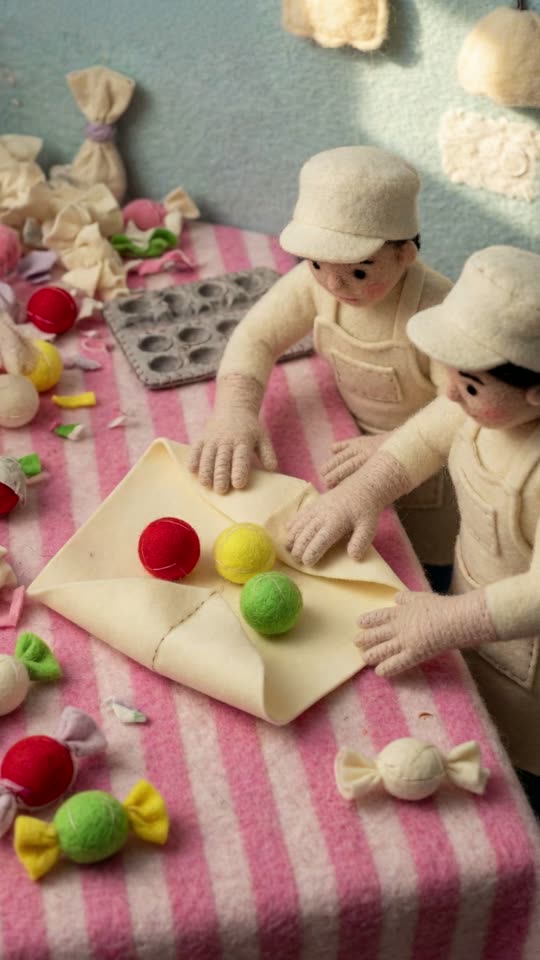
Trick-or-treating spread across the United States and Canada in the 1930s. Back then, Halloween was a night of pranks, or tricks. Young people soaped windows and lifted garden gates off their hinges. Giving out a treat at the door was a way for grown-ups to buy some peace.
The treats were not all sweets. A child might get a cookie, a popcorn ball, an apple, some nuts, a coin or a small toy. Much of it was made in the family kitchen. Some families even invited children inside for punch and games.
During the Second World War, sugar was rationed. Rationing means each family could only buy a small, fixed amount. In Canada, sugar was the very first food to be rationed, in January 1942. With so little sugar, few people could bake treats for the whole street. When rationing ended, trick-or-treating spread fast.
In the 1950s, more families began buying treats instead of making them. Sweets were the easiest thing to buy. Candy companies saw their chance. In the 1950s and 1960s, they advertised their brands for Halloween. They also made small sizes, like mini bars, that were cheap to hand out by the dozen.
Then came fear. From the late 1960s, newspapers carried stories about razor blades in apples and drugs in sweets. Parents were told to throw away anything unwrapped. By the 1970s, many people no longer trusted homemade treats. A sealed bar from a big brand felt safer than a neighbour's cookie.
Later, the sociologist Joel Best showed that the danger from strangers had been hugely exaggerated. A sociologist is someone who studies how people live together. But by then the habit had changed. Today most treat bowls are full of wrapped sweets. Homemade Halloween treats still live on at parties and in family kitchens.
Want to know more?The full history, step by step
The story you've heard
Today the Halloween treat bowl looks much the same from house to house: fun-size chocolate bars, lollipops and little packets, every one sealed in a wrapper. It is hard to imagine handing a child an unwrapped biscuit at the door.
Yet for the first generation of North American trick-or-treaters, that was normal. The treat might be almost anything the household had to hand, and a good deal of it was made in the family kitchen.
What was in the bag
Trick-or-treating spread across the United States and Canada in the 1930s. At first, the treat was partly a bribe. Halloween had long been a night of pranks, from soaping windows to lifting garden gates off their hinges, and a handout at the door was a way to buy some peace.
The candy historian Samira Kawash, author of Candy: A Century of Panic and Pleasure, says the treat in those years could be just about anything: nuts, coins, a small toy, a cookie or a popcorn ball. Now and then there might be a few jelly beans or a stick of liquorice, but candy was only one option among many. Some households even invited children inside for punch, snacks and games.
During the Second World War, sugar rationing made sweets scarce on both sides of the border, and trick-or-treating was held back. In Canada, sugar was the very first thing to be rationed, in January 1942, because around four-fifths of it was imported, much from areas of the Pacific then controlled by Japan. Ration books with red sugar coupons followed later that year, and shoppers could buy only about a fortnight's supply at a time.
A household counting every spoonful had little to spare for baking trays of biscuits for the neighbourhood's children. When rationing ended, the custom spread fast, and by the 1950s it was a fixture of the North American autumn.
The sweet makers move in
Strange as it seems now, Halloween was not originally a candy holiday at all. Kawash found that candy trade discussions about holiday marketing in the 1920s and 1930s did not mention Halloween. Christmas and Easter were the big seasons for sweet makers.
That changed as trick-or-treating grew. Kawash dates the real shift to well into the 1950s, when Americans began buying treats instead of making them, and candy was the easiest thing to buy. In the 1950s and 1960s, sweet companies advertised their brands for Halloween and introduced packaging and sizes, such as mini-bars, that made handing out dozens of treats cheap and quick. Homemade treats were still perfectly acceptable at this stage. They were simply becoming less common.
The scare that sealed it
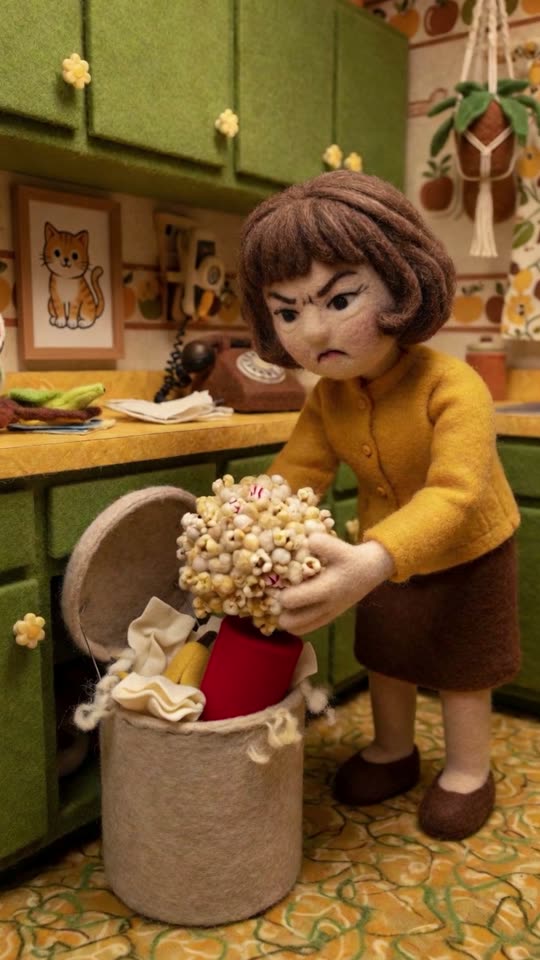
What finished off the popcorn ball was fear. In 1964, a woman in New York, annoyed by children she thought were too old to trick-or-treat, handed out dog biscuits, ant poison and steel wool. Nobody was hurt, but the story spread. From the late 1960s, newspapers carried reports of razor blades hidden in apples and drugs in sweets, and safety campaigns told children to throw away anything unwrapped.
Kawash points out that in the 1970s these fears made people distrust homemade sweets, unwrapped candy and even unfamiliar brands. A sealed, nationally advertised bar felt safe in a way a neighbour's cookie no longer did. The sociologist Joel Best later showed that the danger had been wildly exaggerated, but by then the habit had changed. The food writer Sarah Lohman describes the 1982 Tylenol poisonings in Chicago, which had nothing to do with Halloween, as the final blow for homemade treats.
On your doorstep today
The result is the treat bowl we know now: branded, wrapped and almost identical in every house. Kawash notes that national brands dominate, though there is growing interest in small-batch and artisan sweets.
Homemade Halloween food has not vanished. It has just moved indoors, to parties, school events and family kitchens, where caramel apples, iced biscuits and popcorn balls are still made and shared among people who know each other. If you remember a neighbour who always had warm cookies ready, you were seeing the last of a very old habit.
Timeline
- 1930sTrick-or-treating spreads; treats include cookies, popcorn balls, nuts, coins and small toys.
- 1942 to 1947Wartime sugar rationing in North America makes treats scarce.
- 1950sFamilies start buying treats rather than making them, and candy makers begin promoting Halloween.
- 1964A New York woman's spiteful 'treats' help start the poisoned-candy legend.
- 1970sTampering fears push parents towards sealed, branded candy.
Sources
- How Candy Conquered Halloween · Virginia Postrel (Bloomberg View interview with Samira Kawash)
- Halloween sadism: the history behind the myth of poisoned treats · The Counter
- The history of trick-or-treating, and how it became a Halloween tradition · National Geographic
- The Razor Blade in the Apple: A Modern History of Trick or Treating · Four Pounds Flour (Sarah Lohman)
- Food Fight: How Canada's Second World War rationing was done by the book · Legion Magazine
Spotted something we got wrong? Message us on any of our channels and we'll check it.
Woolly facts
In the 1930s, a Halloween treat at the door could be a cookie, a popcorn ball, nuts, a coin or even a small toy.
Early Halloween treats were partly a bribe: grown-ups handed them out so that children would not play pranks like soaping windows.
Candy historian Samira Kawash found that sweet makers in the 1920s and 1930s did not even mention Halloween when planning holiday sales.
In the 1930s, some households invited trick-or-treaters inside for punch, snacks and games instead of just handing out sweets.
Canada imported about four-fifths of its sugar, which helps explain why sugar was the first food it rationed in the Second World War.
Mini-bars and new packaging in the 1950s and 1960s helped make wrapped candy the easy, cheap choice for Halloween.
In 1964, a New York woman annoyed by older trick-or-treaters handed out dog biscuits, ant poison and steel wool; nobody was hurt.
Food writer Sarah Lohman says the 1982 Tylenol poisonings, which had nothing to do with Halloween, made people wary of both shop-bought and homemade treats.