
Hawaiian pizza was invented in Hawaii.
Many people assume Hawaiian pizza was invented in Hawaii. It was not. The usual story says a Greek-born cook, Sam Panopoulos, first put pineapple on pizza in Chatham, Ontario, Canada, in 1962. The name came from the pineapple tin.
The usual account credits Sam Panopoulos, a Greek-born cook in Chatham, Ontario, in 1962; the name came from a tin of pineapple.
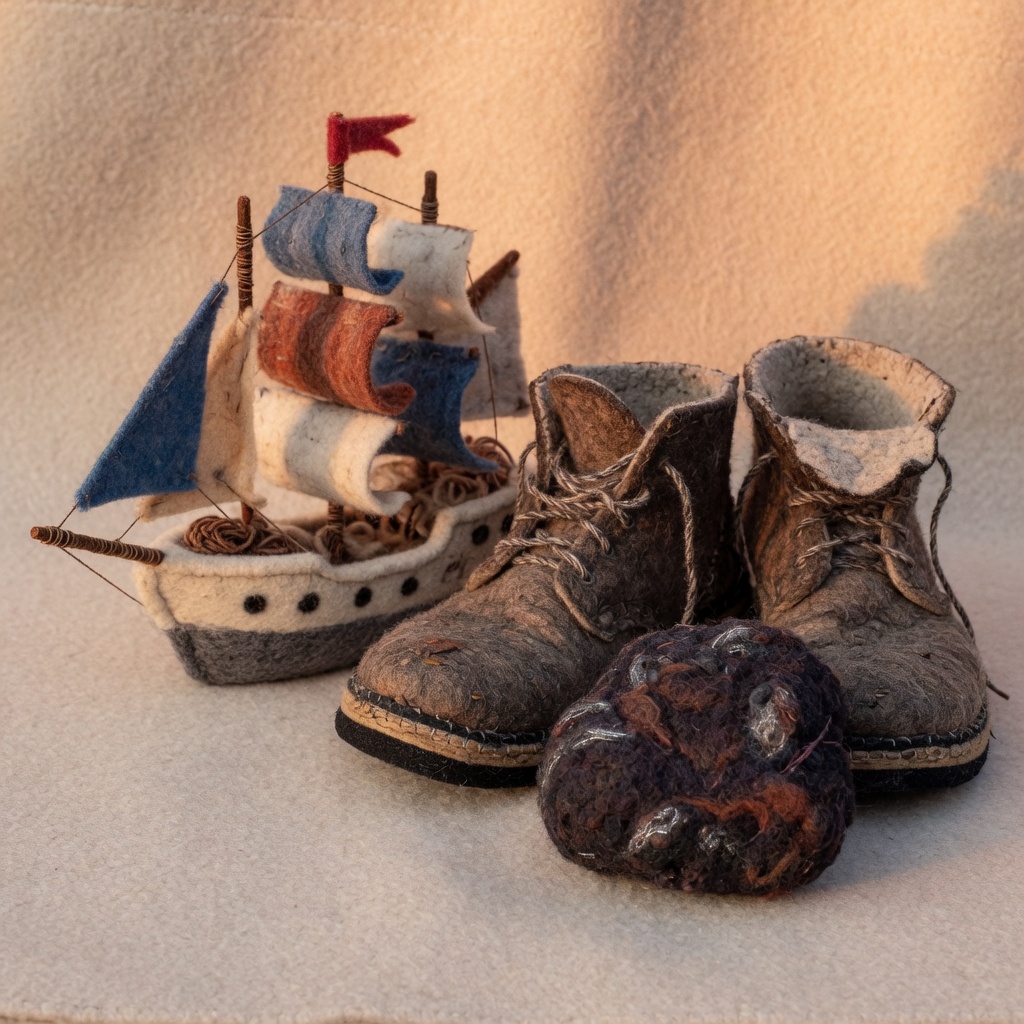
Sotirios Panopoulos, known as Sam, was born in a village in Greece in 1934. In 1954 he sailed to Canada to join his older brother. Like many new arrivals, he took any work he could find, including a short time in the mines.
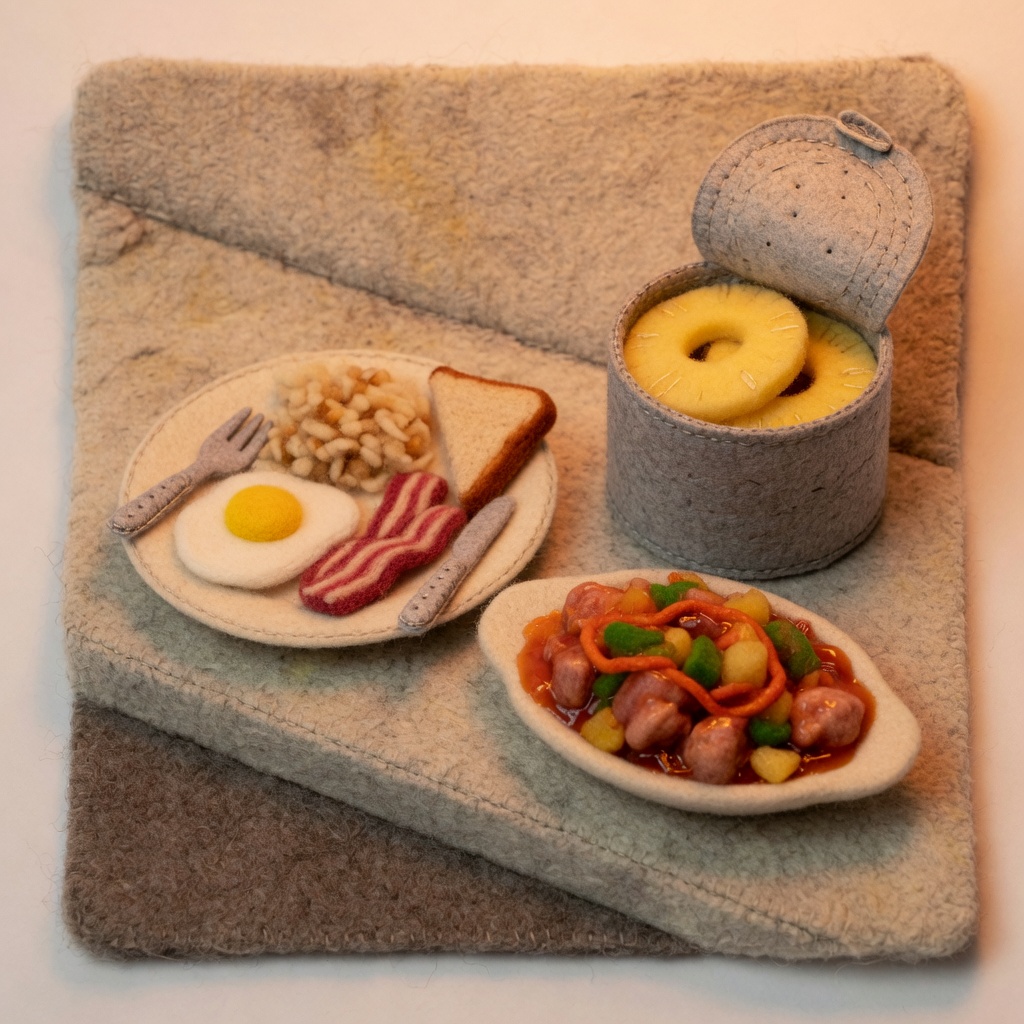
Sam settled in Chatham, a small town in Ontario. With his brother Nikitas he ran the Satellite Restaurant. It served breakfasts all day and late-night deliveries. The restaurant also cooked sweet-and-sour dishes, thanks to a Chinese-Canadian cook who worked with them. So there were tins of pineapple in the kitchen.
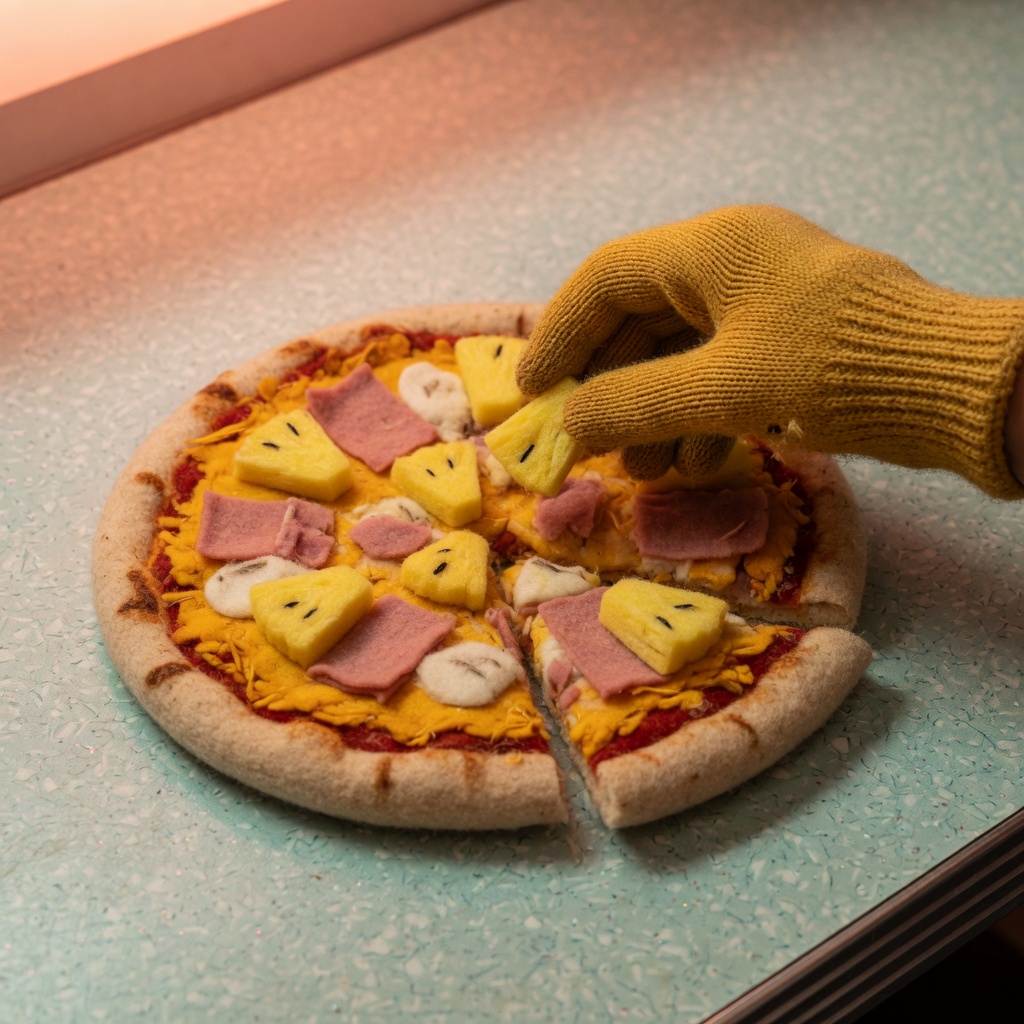
By his own account, Sam tried pizza on a trip to the nearby city of Windsor. In 1962 he added it to the Satellite's menu. Back then, pizza was still new in small-town Canada, and toppings were few. One day, just for fun, Sam put tinned pineapple on a pizza to see how it tasted. Customers were slow to try it, but soon they were asking for it. Ham became its classic partner.
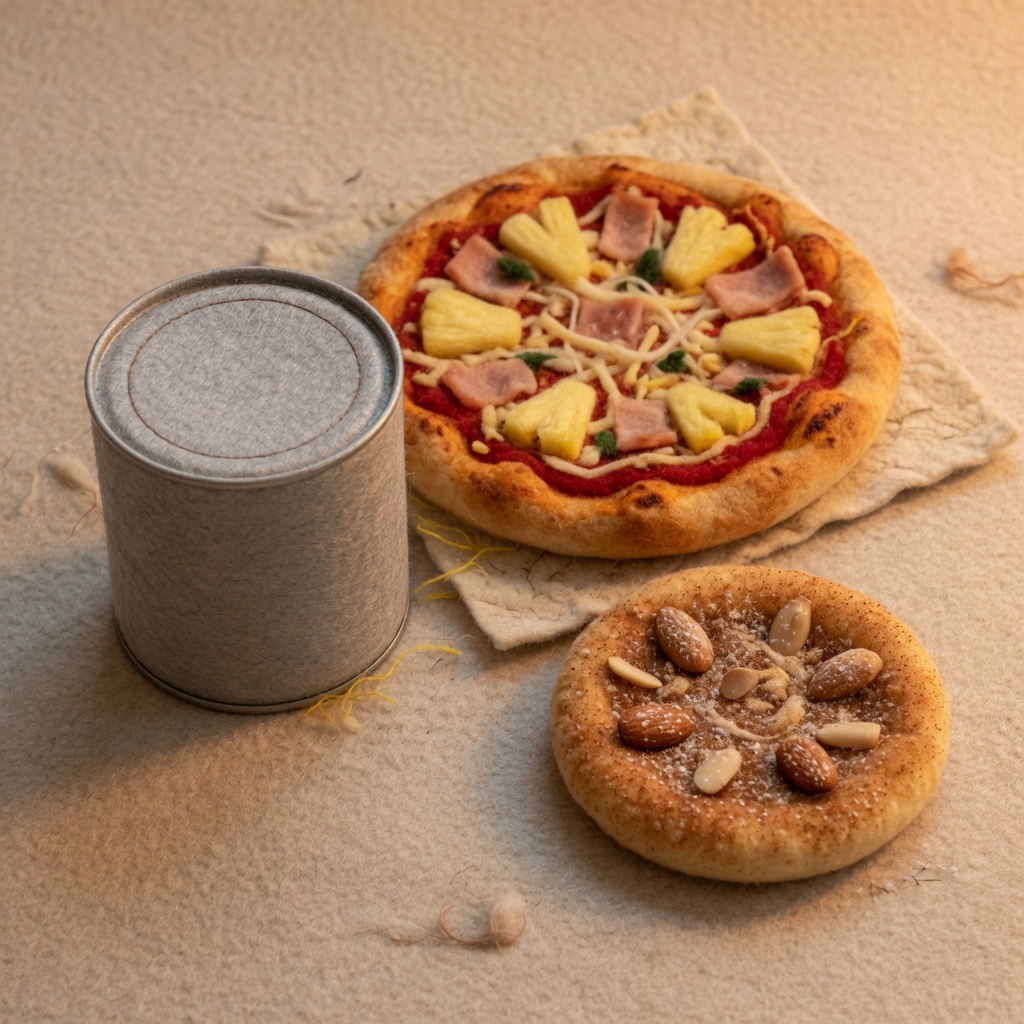
The name had nothing to do with Hawaii. Sam said he called it Hawaiian after the label on the tin of pineapple. It is worth being careful, though. This is his story, told many years later, and some people have questioned it. In the United States, pineapple had already appeared on sweet dessert pizzas in the late 1950s.
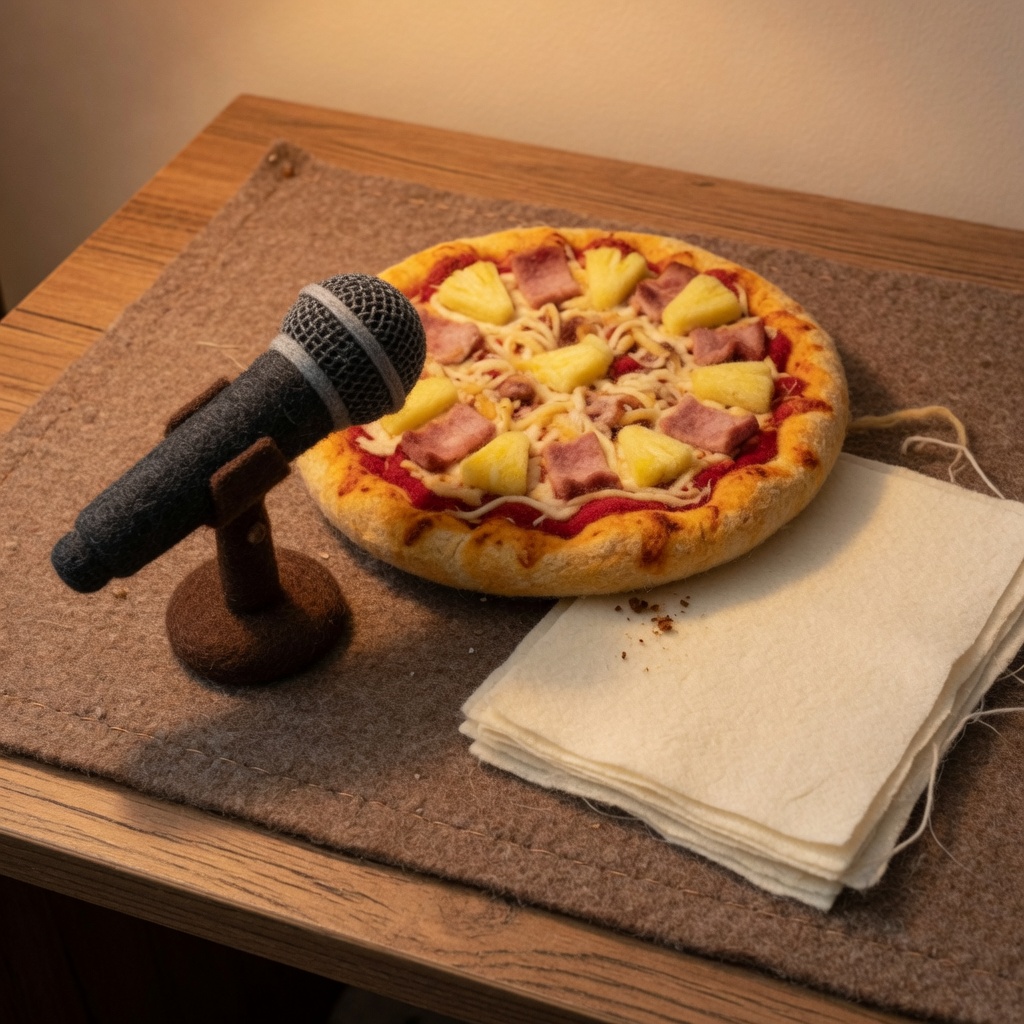
For years, hardly anyone knew about Sam. Then, in 2009, he was credited online, and journalists came to interview him. In 2017 the president of Iceland joked that he would ban pineapple on pizza if he could. Sam happily defended his creation. He died in June 2017, aged 82.
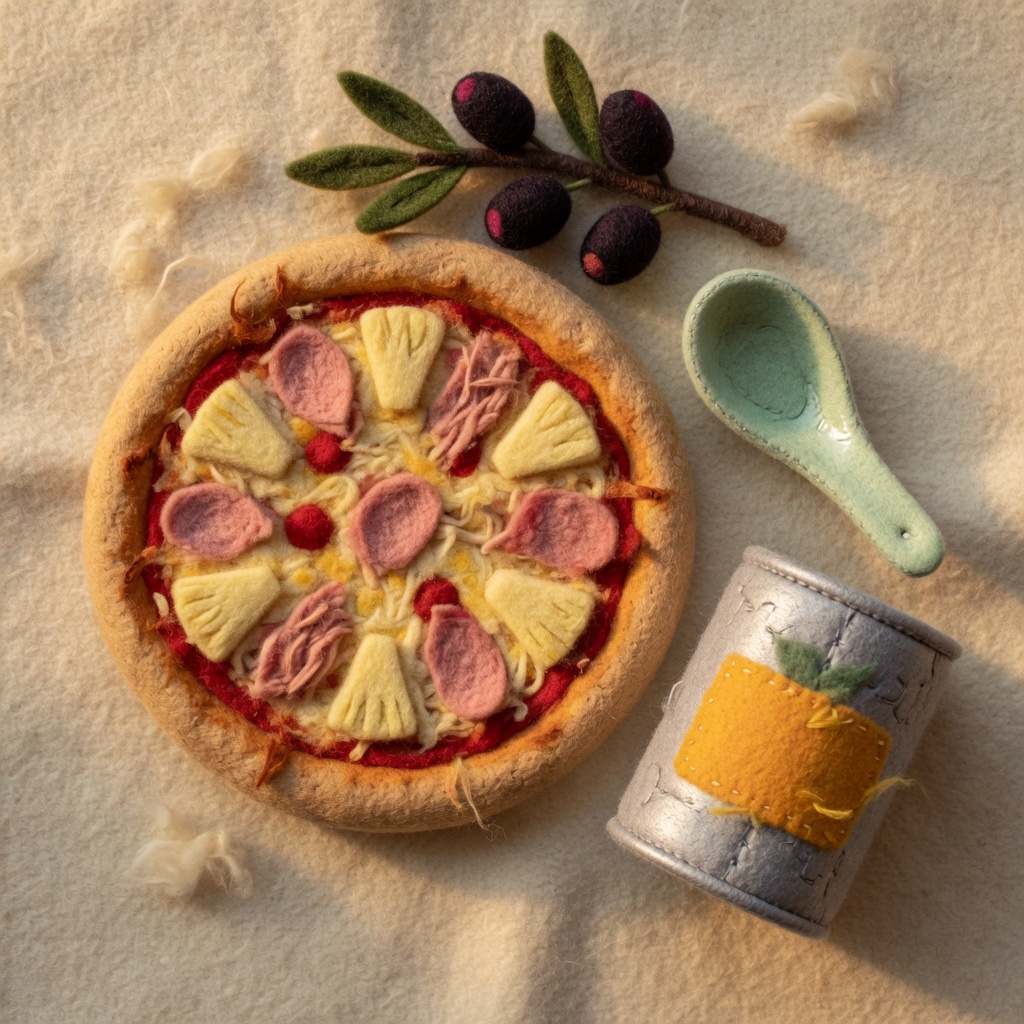
Today Hawaiian pizza is eaten all over the world, and people still argue about it. Its story is very Canadian: a Greek-born cook, a Chinese-Canadian colleague, an Italian dish and a tin from the Pacific.
Want to know more?The full history, step by step
The story you've heard
Ham and pineapple on a pizza. People either love it or treat it as a crime against Italian cooking. With a name like Hawaiian, it is natural to imagine it was dreamed up somewhere on the islands, perhaps at a beach café with a view of the surf.
It was not. The account almost everyone repeats begins in Chatham, Ontario, a town about 300 kilometres southwest of Toronto, and it is told by a man who was born in a mountain village in Greece.
Who Sam Panopoulos was
Sotirios 'Sam' Panopoulos was born on 20 August 1934 in Vourvoura, a village in the Peloponnese. As a teenager during the Second World War he is said to have secretly delivered medicine, and he hoped one day to become a dentist. In 1954 he sailed to Canada to join an older brother.
Like many new arrivals, he took whatever work he could find. He worked briefly in the mines around Sudbury and lived in several Ontario towns before settling in Chatham. There, with his brother Nikitas, he ran the Satellite Restaurant on King Street West, serving all-day breakfasts and late-night deliveries to a town that was still getting to know foods from elsewhere.
What really happened
According to his own account, Panopoulos first tried pizza on a trip to nearby Windsor and decided to add it to the Satellite's menu in 1962. Pizza was still something of a novelty in small-town Canada then, and toppings were limited to a familiar few such as mushrooms, bacon and pepperoni.
The restaurant had also expanded its menu with sweet-and-sour dishes, thanks to a Chinese-Canadian cook who worked with them, and that taste for sweet with savoury may have nudged the idea along. Panopoulos said they put tinned pineapple on a pizza simply for fun, to see how it would taste. They tried it themselves, passed slices to customers and, after a slow start, people began asking for it. Ham, or Canadian bacon, became the classic partner.
The name had nothing to do with anyone in Hawaii. Panopoulos said he called it Hawaiian after the label on the tin of pineapple. The islands gave the pizza its brand, not its birthplace.
It is worth being careful here. This is his account, told many years later, and some people have disputed his claim. Pineapple had been put on pizzas in the United States in the late 1950s, though as a sweet dessert with almonds and cinnamon rather than with ham. What Panopoulos is credited with is the savoury pizza that took the Hawaiian name.
Why the story stuck
For decades nobody paid much attention. Then, in 2009, an anonymous online edit credited him with the invention, and journalists came calling. Newspapers, magazines and broadcasters interviewed him, and the story of the Greek immigrant in Chatham became the accepted origin.
Fame peaked in early 2017, when Iceland's president joked that he would ban pineapple on pizza if he could. Panopoulos, by then retired in London, Ontario, defended his creation in interviews, and Canada's prime minister joined in with a light-hearted message of support for a southwestern Ontario creation.
Sam Panopoulos died on 8 June 2017 in London, Ontario, aged 82, after 50 years of marriage to his wife Christina. His family said the pizza story was his to tell. He had sold the Satellite in the 1970s and later ran a restaurant in London called the Family Circle.
On your plate today
Hawaiian pizza is now found from Sydney to Stockholm, and it divides dinner tables everywhere. It has no real link to Hawaiian culture at all, which makes its name one of the great accidental misdirections of the food world. Panopoulos himself never seemed troubled by the arguments; he called his pizza refreshing and enjoyed the attention. Whichever side you are on, it is a very Canadian story: a Greek-born cook, a Chinese-Canadian colleague, an Italian dish and a tin with a picture of the Pacific on it, all meeting in one small Ontario kitchen.
Timeline
- 1934Sotirios 'Sam' Panopoulos is born in Vourvoura, Greece.
- 1954He emigrates to Canada, joining an older brother.
- 1962By his account, he puts tinned pineapple on a pizza at the Satellite Restaurant in Chatham, Ontario.
- Mid-1970sHe sells the Satellite and later opens a restaurant in London, Ontario.
- 2009An online edit credits him with the invention, and media interest follows.
- 2017Iceland's president jokes about banning pineapple pizza; Panopoulos dies on 8 June.
Sources
- Canadian Sam Panopoulos created the Hawaiian pizza · The Globe and Mail
- Alleged Inventor of Controversial 'Hawaiian' Pizza Dies in Canada · NBC News
- Inventor of the beloved and hated 'Hawaiian' pizza dies at 83 · Hawaii News Now
Spotted something we got wrong? Message us on any of our channels and we'll check it.
Woolly facts
Hawaiian pizza was not invented in Hawaii; the usual story says Sam Panopoulos created it in Chatham, Ontario, Canada, in 1962.
Sam Panopoulos said he named Hawaiian pizza after the label on the tin of pineapple, not after the islands.
Sam Panopoulos, the cook credited with Hawaiian pizza, was born in the Greek village of Vourvoura in 1934.
The Satellite Restaurant, birthplace of Hawaiian pizza, had tinned pineapple in its kitchen because it also served sweet-and-sour dishes.
In 2017 the president of Iceland joked that he would ban pineapple on pizza if he could.
Before Hawaiian pizza, pineapple had appeared on sweet American dessert pizzas with almonds and cinnamon in the late 1950s.
The early delivery boxes at Sam Panopoulos's Satellite Restaurant were said to be foil-wrapped cardboard circles from a furniture store.
Sam Panopoulos, credited with inventing Hawaiian pizza, was barely known until he was named as its creator online in 2009.