
Instant ramen was invented in a backyard shed.
It sounds too odd to be true, but instant ramen really was invented in a backyard shed. Momofuku Ando worked alone for about a year in a small shed behind his house near Osaka, Japan. His Chicken Ramen went on sale in 1958.
Momofuku Ando worked alone for about a year in a small shed behind his house in Ikeda, Osaka, and launched Chicken Ramen in 1958.

Momofuku Ando was born in 1910 in Taiwan, which Japan ruled at the time. He was raised by his grandparents and started his first business at 22. Later he moved to Japan.
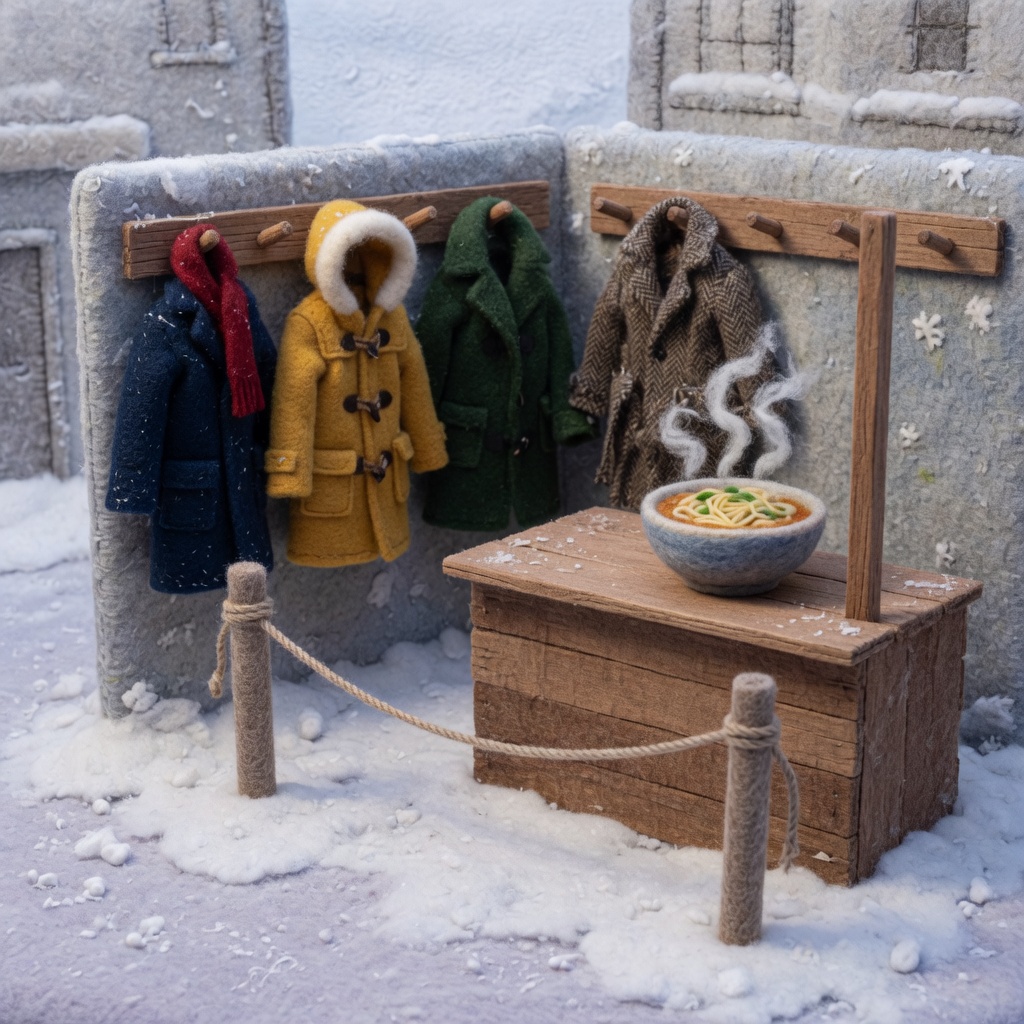
After the Second World War, food was hard to find in Japan. One winter, Ando saw a long line of people waiting in the cold at a ramen stall in Osaka. Ramen is a hot noodle soup. He wondered if he could make noodles that anyone could cook at home with just hot water.

In 1957 a bank-like business that Ando led collapsed, and he lost almost all his money. He still had a rented house in Ikeda, a town near Osaka. Behind it he built a small shed. He worked there alone, sleeping about four hours a night, for around a year.
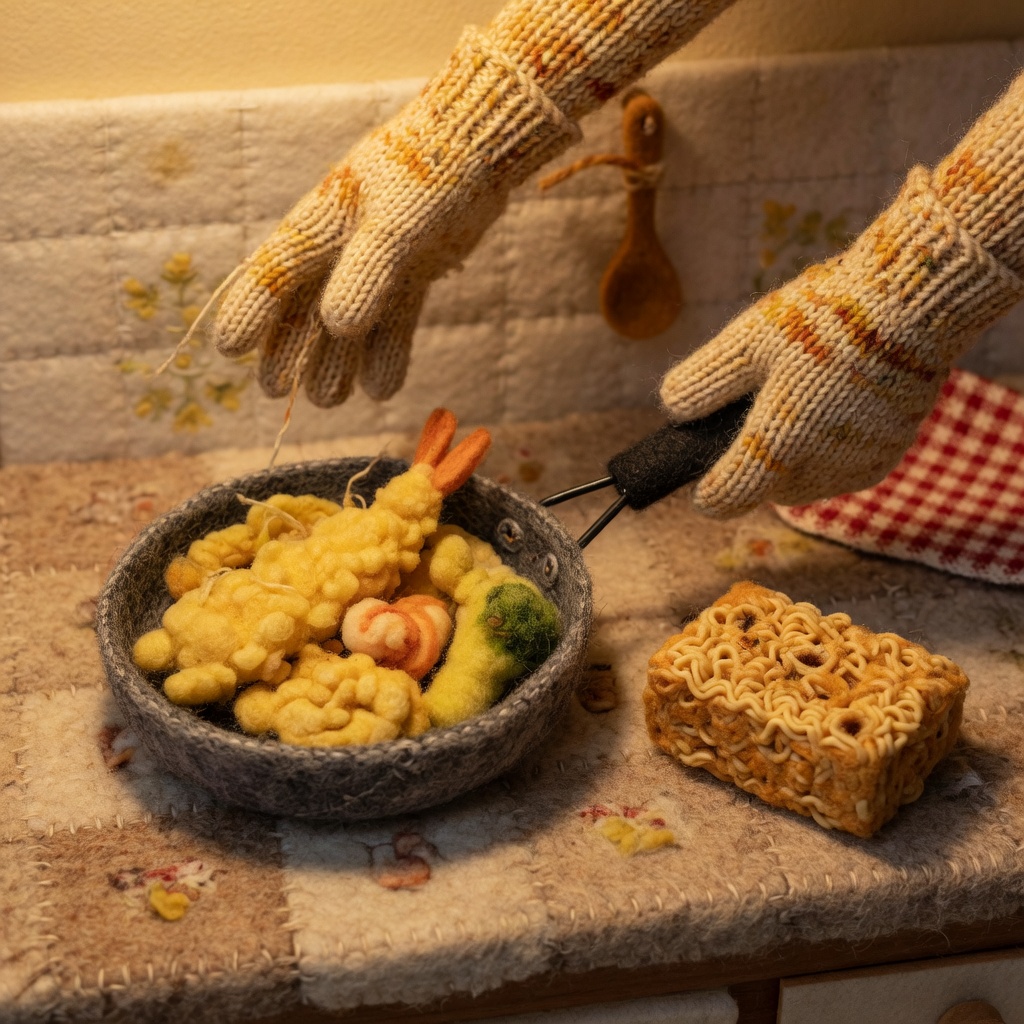
Ando wanted noodles that tasted good, lasted a long time, cooked quickly, cost little and were safe to eat. The hardest part was drying them. Then he watched his wife Masako frying tempura, which is food dipped in batter and fried. The hot oil pushed the water out of the batter. Ando tried the same with flavoured noodles. Flash-frying dried them out and left them full of tiny holes. Later, hot water could soak back in and soften them in minutes.
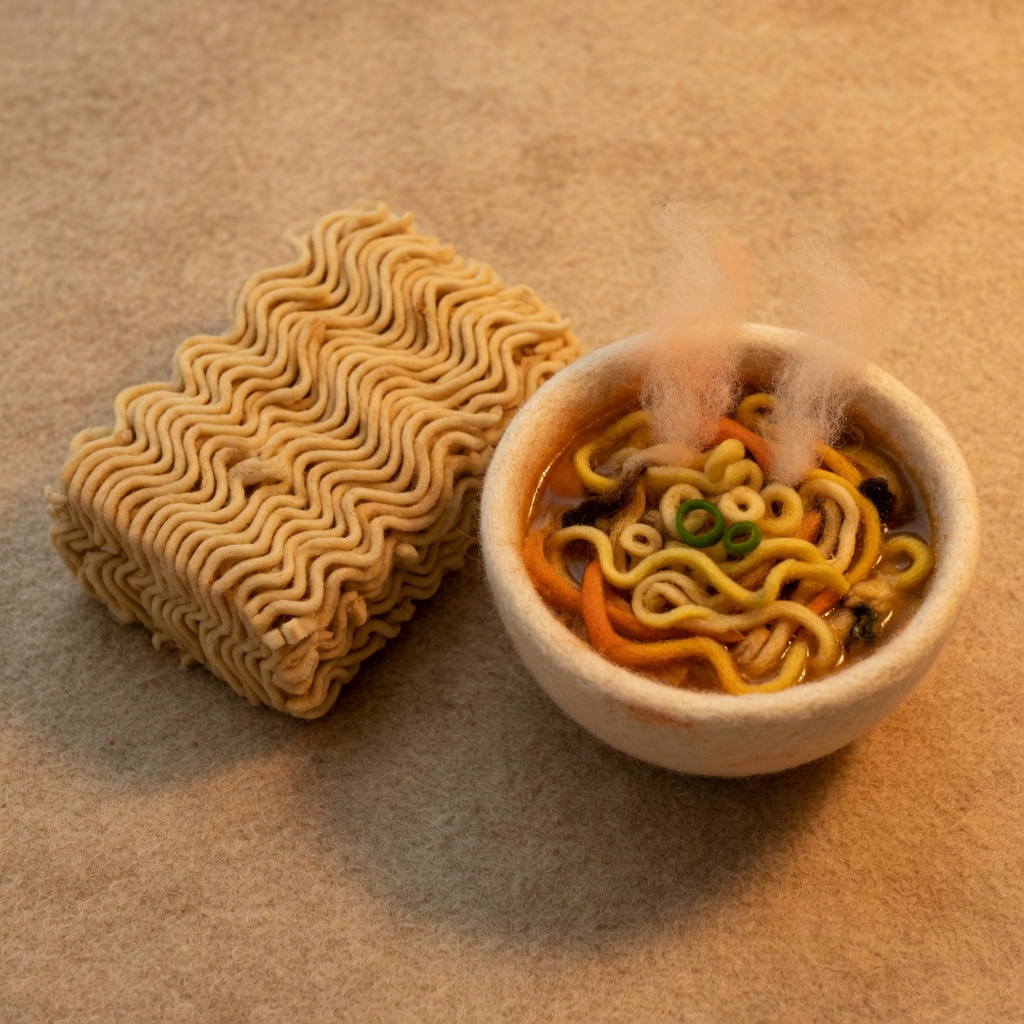
On 25 August 1958, Chicken Ramen went on sale. At first it cost more than fresh noodles, but people loved how easy it was. Some called it magic ramen.

In 1966 Ando visited the United States. He saw shop workers break his noodles into paper cups and eat them with forks. That gave him a new idea. Cup Noodles went on sale in 1971, thirteen years after Chicken Ramen. Ando died in 2007, aged 96. Today people eat about 100 billion servings of instant noodles a year.
Want to know more?The full history, step by step
The story you've heard
Instant noodles feel like a product of big factories and food laboratories, the sort of thing a corporation might have engineered. Some people assume they are an ancient Asian staple; others think they must be an American convenience food.
The real story is much smaller and more personal. Instant ramen was invented by one man, working on his own, in a shed of about ten square metres in his back garden. He was 48 years old and had just lost almost everything.
Who Momofuku Ando was
Ando Momofuku was born in 1910 in Taiwan, then under Japanese rule, and was raised by his grandparents, who ran a kimono shop in the city of Tainan. He was an entrepreneur from a young age, starting a business selling knitted fabrics at 22, and later moved to Japan.
After the Second World War, Japan was short of food. One sight stayed with Ando: a long queue of people standing in the cold at a black-market ramen stall in Osaka, waiting for a hot bowl of noodles. He began to wonder whether noodles could be made that anyone could prepare at home, using nothing but hot water.
For years the idea stayed an idea. Then, in 1957, a credit union he headed collapsed and he lost nearly all his wealth. Nissin's own history says the only property he kept was a rented house in Ikeda, a town north of Osaka. With little else left, he decided to start on the noodles.
What really happened
Behind the house in Ikeda he built a small shed and worked alone. According to the company's account, he slept around four hours a night and spent about a year experimenting. He set himself five goals: the noodles had to taste good, keep for a long time, be quick to prepare, be cheap, and be safe to eat.
The hardest problem was drying. Fresh noodles go mouldy, and simply air-drying them did not give a noodle that came back to life properly in hot water. The answer came from the family kitchen. Watching his wife Masako fry tempura, Ando noticed how the hot oil drove the moisture out of the batter. He tried the same thing with seasoned, steamed noodles: a quick bath in hot oil dried them out completely, so they could be stored for months and softened again in boiling water within minutes.
On 25 August 1958, Chicken Ramen went on sale for 35 yen a serving. At first it was treated almost as a luxury, costing several times as much as fresh noodles, and some people were sceptical. But its convenience won people over, and it was soon nicknamed magic ramen.
From brick to cup
In 1966, on a trip to the United States, Ando watched supermarket staff break up his noodles, drop them into paper cups and eat them with forks. It showed him that people elsewhere ate differently, and it gave him the idea for a noodle that came in its own container.
Cup Noodles went on sale in Japan on 18 September 1971, thirteen years after Chicken Ramen. Sales took off the following year, after television coverage of a long police siege showed officers eating them in the snow. Ando chose to license his method rather than keep it to himself, which helped instant noodles spread around the world.
On your plate today
Wheat noodles in Japan are themselves a much older import from China, so Ando did not invent ramen. What he invented was the dried, ready-seasoned brick and the idea that a satisfying hot meal could take three minutes and a kettle.
His motto during the development of Cup Noodles was that tenacity is where inspiration grows, and his life bears that out: a business collapse in his late forties led directly to the invention that made his name. He kept inventing into old age. He died on 5 January 2007, aged 96. Today the Cup Noodles Museum in Ikeda tells his story, and the original Chicken Ramen is still on sale.
Timeline
- 1910Ando Momofuku is born in Taiwan, then under Japanese rule.
- Late 1940sIn postwar Osaka he sees long queues at a black-market ramen stall.
- 1957A credit union he heads collapses; he starts experimenting in a shed in Ikeda.
- 1958Chicken Ramen, the first instant noodles, goes on sale on 25 August.
- 1966A trip to the United States inspires the idea of noodles in a cup.
- 1971Cup Noodles goes on sale on 18 September.
- 2007Ando dies on 5 January, aged 96.
Sources
- Founder's Story: Momofuku Ando · Nissin Foods
- Andō Momofuku: An Inventor Who Used His Noodle to Change Global Food Culture · Nippon.com
- First instant ramen is invented by Momofuku Ando · HISTORY.com
Spotted something we got wrong? Message us on any of our channels and we'll check it.
Woolly facts
Momofuku Ando invented instant ramen in a small shed behind his house in Ikeda, near Osaka, Japan.
Momofuku Ando got the idea of flash-frying noodles by watching his wife Masako fry tempura in their kitchen.
Chicken Ramen, the world's first instant noodles, went on sale in Japan on 25 August 1958.
When Chicken Ramen first went on sale in 1958, it cost more than fresh noodles but was soon nicknamed magic ramen.
Momofuku Ando got the idea for Cup Noodles after seeing American shop workers eat his noodles from paper cups with forks.
Momofuku Ando was 48 years old and had just lost almost all his money when he invented instant ramen.
At the age of 91, Momofuku Ando began developing Space Ram, instant noodles that flew on the space shuttle Discovery in 2005.
People around the world now eat about 100 billion servings of instant noodles every year.