
Ketchup was once sold as medicine.
People say ketchup was once sold as medicine, and that is mostly true. In the 1830s, an American doctor said tomatoes could cure stomach problems, and tomato pills became a craze. Long before that, ketchup was a fish sauce from southern China.
In the 1830s tomatoes, tomato ketchup and above all 'tomato pills' were promoted as cures; the pills often contained no tomato at all.

Ketchup began as a salty fish sauce. It was made along the coast of southern China and around South-East Asia. The fish was fermented, which means it was left to change slowly, a bit like making yoghurt or cheese. In Hokkien, a Chinese language, the sauce had a name a lot like kê-tsiap.
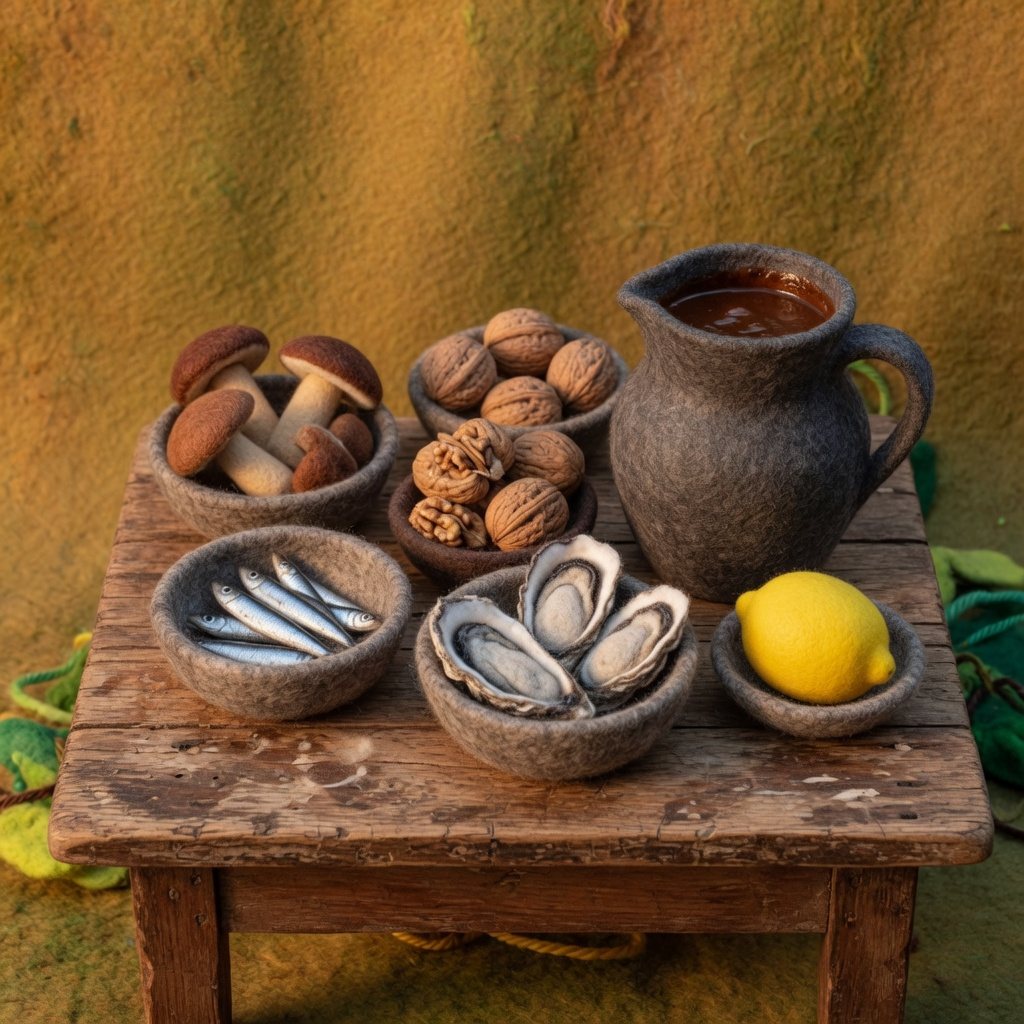
In the 1600s, Dutch and English sailors brought the idea back to Europe. The sauce kept well on long sea trips. English cooks could not get the real thing, so they made their own. They used anchovies, mushrooms, walnuts, oysters and even lemons. For a long time, ketchup just meant a spicy, savoury sauce.
Tomatoes joined much later. In 1812 James Mease, a scientist in Philadelphia, published the first known tomato ketchup recipe. At that time many Americans were nervous about tomatoes. Some even thought they were poisonous.
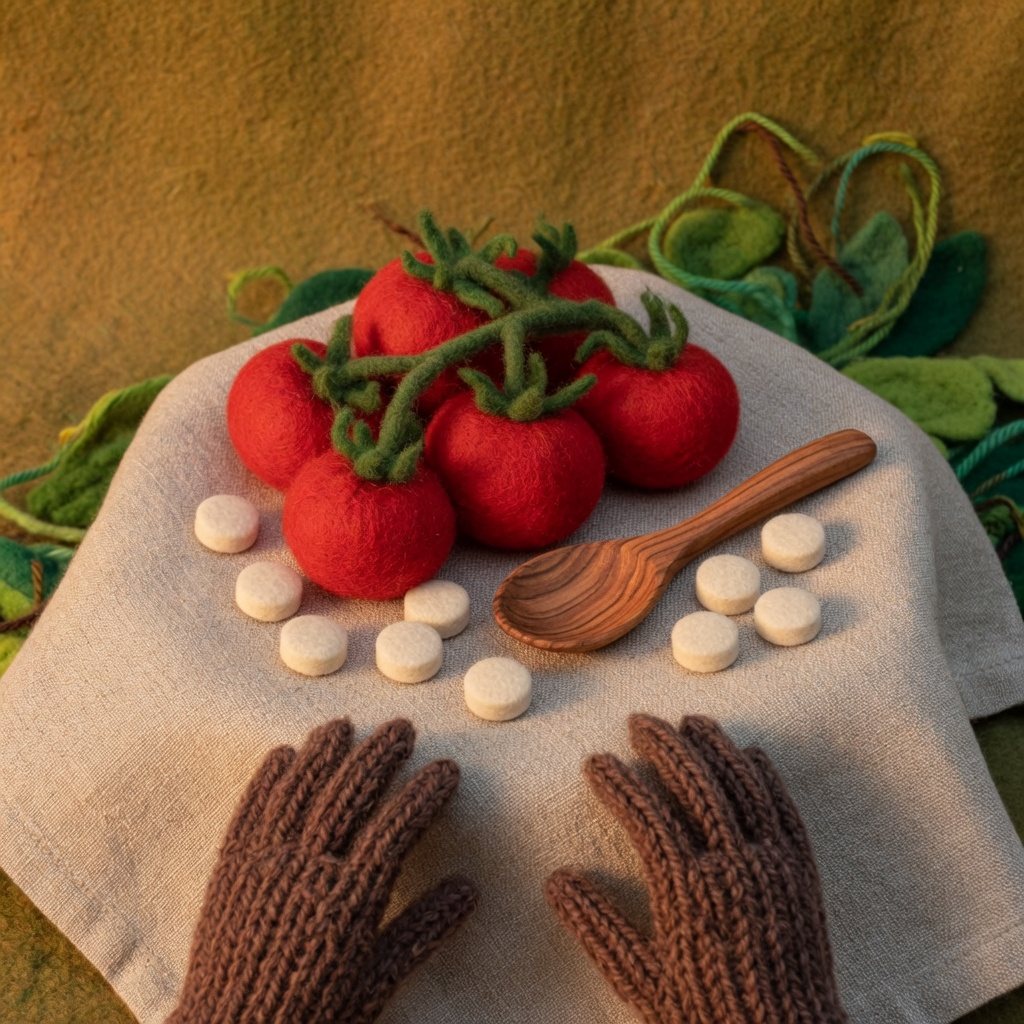
Then came Dr John Cook Bennett. In 1834 or 1835 he said tomatoes could treat diarrhoea, indigestion and other stomach troubles. Many retellings add jaundice, a liver illness, to his list. He even shared recipes for tomato catsup. But he did no real tests. He was mostly a promoter, someone who talks something up.
Salesmen soon jumped in. A shop owner called Archibald Miles sold Dr Miles' Compound Extract of Tomato. A rival, Guy Phelps, sold his own pills. Their fight was so fierce that one historian calls it the tomato pill war. These pills were sold as a gentle choice next to harsh medicines of the time.
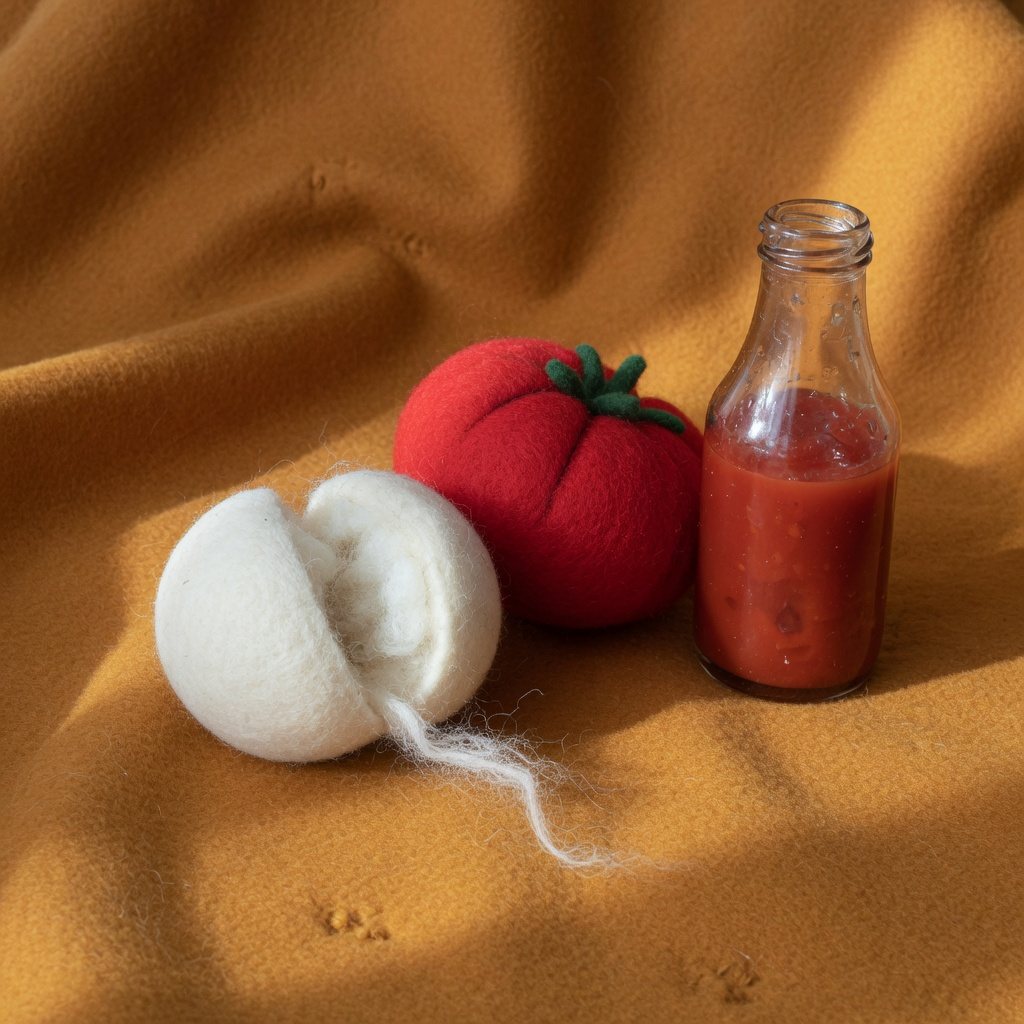
By around 1840, doctors showed that many tomato pills had no tomato in them at all. By about 1850 the craze had faded. But people had learned that tomatoes taste good. The sauce stayed, and bottled tomato ketchup grew popular after the American Civil War.
Want to know more?The full history, step by step
The story you've heard
Ketchup feels about as American as a sauce can be: tomatoes, sugar, vinegar, a glass bottle you have to thump. It is hard to imagine it as anything but a partner for chips.
Its real history wanders across oceans and kitchens, and for a few strange years in the 1830s it got tangled up with quack medicine. The fish comes first, though.
A sauce from the South China coast
Most food historians trace ketchup to a fermented fish brine made along the coast of Fujian in southern China and around South-East Asia. In the Hokkien language it was written down in several ways, such as kê-tsiap, and traders carried versions of it to what are now Malaysia and Indonesia, where similar words, kecap and ketjap, still name sauces today. Exactly how the word travelled into English is still debated.
Dutch and English sailors brought the idea back to Europe in the 1600s. The Oxford English Dictionary records catchup in print in 1699, described as a sauce from the East Indies. Salty and fermented, it kept well on long voyages, which helped it catch on.
Back home, English cooks could not easily get the original, so they improvised. Eliza Smith's cookbook The Compleat Housewife includes an early printed recipe with anchovies, cloves, ginger and pepper. By the early 1800s you could make ketchup from walnuts, mushrooms, oysters, lemons or elderberries. Jane Austen's family were fond of walnut ketchup, and her friend Martha Lloyd kept a recipe. For a long time, the word simply meant a spiced, savoury sauce.
Enter the tomato, and the doctor
The first known published recipe for tomato ketchup came in 1812 from James Mease, a Philadelphia scientist and horticulturist, with tomatoes, brandy, allspice and salt. Some early American recipes still slipped anchovies in, a nod to the sauce's fishy past.
At the time many Americans were wary of tomatoes, and some thought them poisonous. Into that gap stepped Dr John Cook Bennett, a colourful Ohio physician who also ran a business selling medical diplomas. In the mid-1830s he lectured and wrote that tomatoes could treat diarrhoea, indigestion and the 'bilious' complaints that troubled travellers, and he offered recipes including tomato catsup. Many popular retellings add jaundice to his list, a liver condition that fits the bilious theme. Sources date his announcement to 1834 or 1835. There is no sign he did any experiments of his own; he was mainly a promoter.
Where a doctor makes claims, salesmen follow. A Cleveland merchant, Archibald Miles, rebranded his existing pills as Dr Miles' Compound Extract of Tomato, and a rival, Guy Phelps, launched his own. Pills, extracts and tonics were sold widely through the late 1830s and 1840s, often pitched as gentler replacements for calomel, a harsh mercury-based purge. Their rivalry grew so heated that the historian Andrew F. Smith calls it the tomato pill war.
How the bubble burst
The craze did not last. By around 1840 doctors were pointing out that many tomato pills contained no tomato at all, and by about 1850 the fad had largely faded. One physician, William Darlington, dismissed the trade as a tax on the gullible. Meanwhile ordinary people had discovered that tomatoes were simply good to eat. Medicine or not, ketchup stayed on the table, and after the American Civil War bottled tomato ketchup took off, with Henry J. Heinz's company becoming the best known name.
It is worth being fair to the people who bought them. Mainstream medicine of the 1830s leaned on harsh remedies such as calomel, so a pill supposedly made from a garden vegetable sounded mild and modern. Bennett's campaign also did something useful almost by accident: it encouraged Americans to cook and eat tomatoes, at a time when many had grown them mainly as ornamental curiosities. By 1865 the farming magazine American Agriculturist was telling readers to enjoy tomatoes for their own sake, without worrying about any medical powers.
On your plate today
So that bottle carries a lot of baggage: a Chinese fish brine, English mushroom and walnut relishes, a Philadelphia recipe and a short career as a patent remedy. It will not cure your indigestion, but it is still a very good companion for chips.
Timeline
- 1699Catchup appears in English print, described as a sauce from the East Indies.
- 1700sEnglish cooks make ketchups from anchovies, mushrooms, walnuts and oysters.
- 1812James Mease of Philadelphia publishes the first known tomato ketchup recipe.
- 1834–35Dr John Cook Bennett promotes tomatoes as a remedy for stomach complaints.
- Late 1830sTomato pills sold by Archibald Miles, Guy Phelps and others become a craze.
- c. 1850The tomato pill fad fades after doctors show many pills contain no tomato.
Sources
- Ketchup: The All-American Condiment That Comes From Asia · WNYC / NPR
- Tomatoes as Medicine · JSTOR Daily
- From Inedible to Indispensable: When a Quack Doctor Touted Tomatoes as a Medical Cure-All · Mental Floss
- Ketchup was once a diarrhea cure · Popular Science
Spotted something we got wrong? Message us on any of our channels and we'll check it.
Woolly facts
Ketchup started out as a salty, fermented fish sauce from the coast of southern China.
The word catchup appears in English print in 1699, describing a sauce from the East Indies.
Jane Austen's family enjoyed walnut ketchup, and her friend Martha Lloyd kept a recipe for it.
The first known tomato ketchup recipe was published in 1812 by James Mease, a scientist in Philadelphia.
In the 1830s Dr John Cook Bennett claimed tomatoes could treat diarrhoea and indigestion.
Many 1830s tomato pills sold as medicine turned out to contain no tomato at all.
The fight between tomato pill sellers Archibald Miles and Guy Phelps is called the tomato pill war.
Heinz chose the spelling ketchup to stand out from rivals, who mostly wrote catsup.