
In 1806 a Boston man shipped a cargo of ice to the Caribbean.
People often think shipping ice to a hot island in 1806 sounds like a joke. It is true: Frederic Tudor of Boston sent a ship full of ice to Martinique in the Caribbean. That first trip lost money, but he kept going and built a worldwide ice trade.
Frederic Tudor really did send ice to Martinique in 1806; it lost money, but it began a trade that later reached India.

Frederic Tudor was born in Boston in 1783. His family had a country home near Saugus with a pond. In New England, ice formed on ponds for free every winter. In the hot islands of the Caribbean, there was no ice at all. In 1805 Tudor wrote down a simple plan: carry the ice from one place to the other.
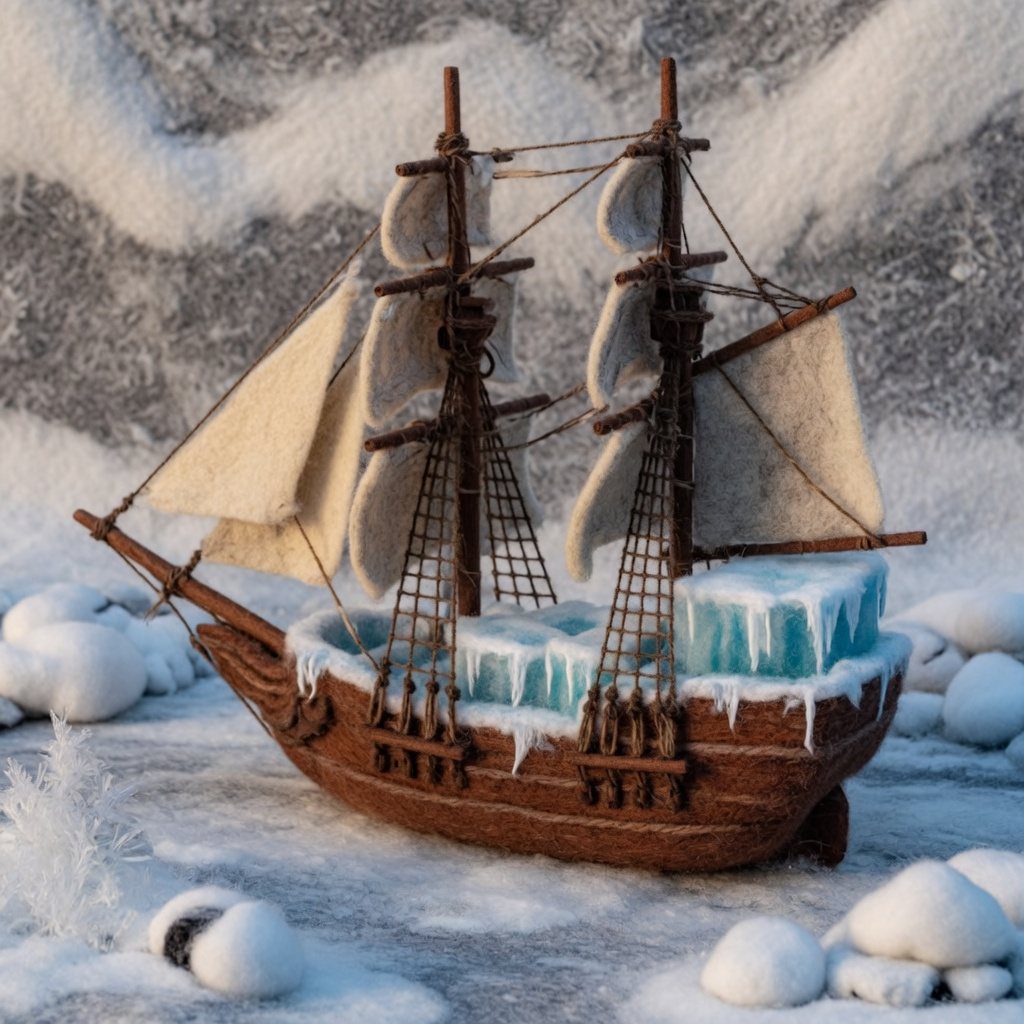
He bought a small two-masted ship, called a brig, named Favorite. Workers cut about 130 tons of ice from the family pond. The ship sailed on 10 February 1806, heading for the island of Martinique. A Boston newspaper printed the words "No joke" about it. Many people still laughed.
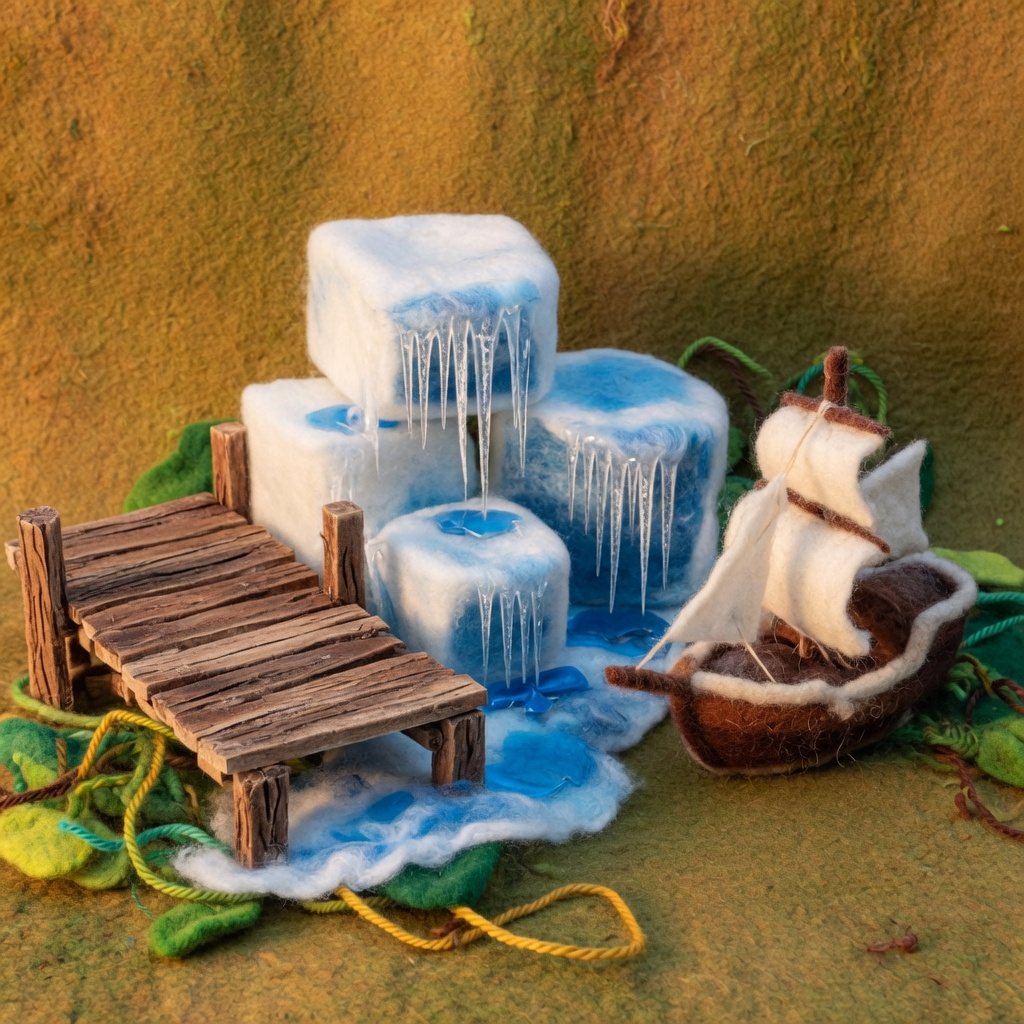
The trip took about three weeks. A lot of the ice melted on the way. Worse, Martinique had no building to keep ice cold, so Tudor had to sell it straight from the ship while it dripped away. He lost about 4,500 dollars.
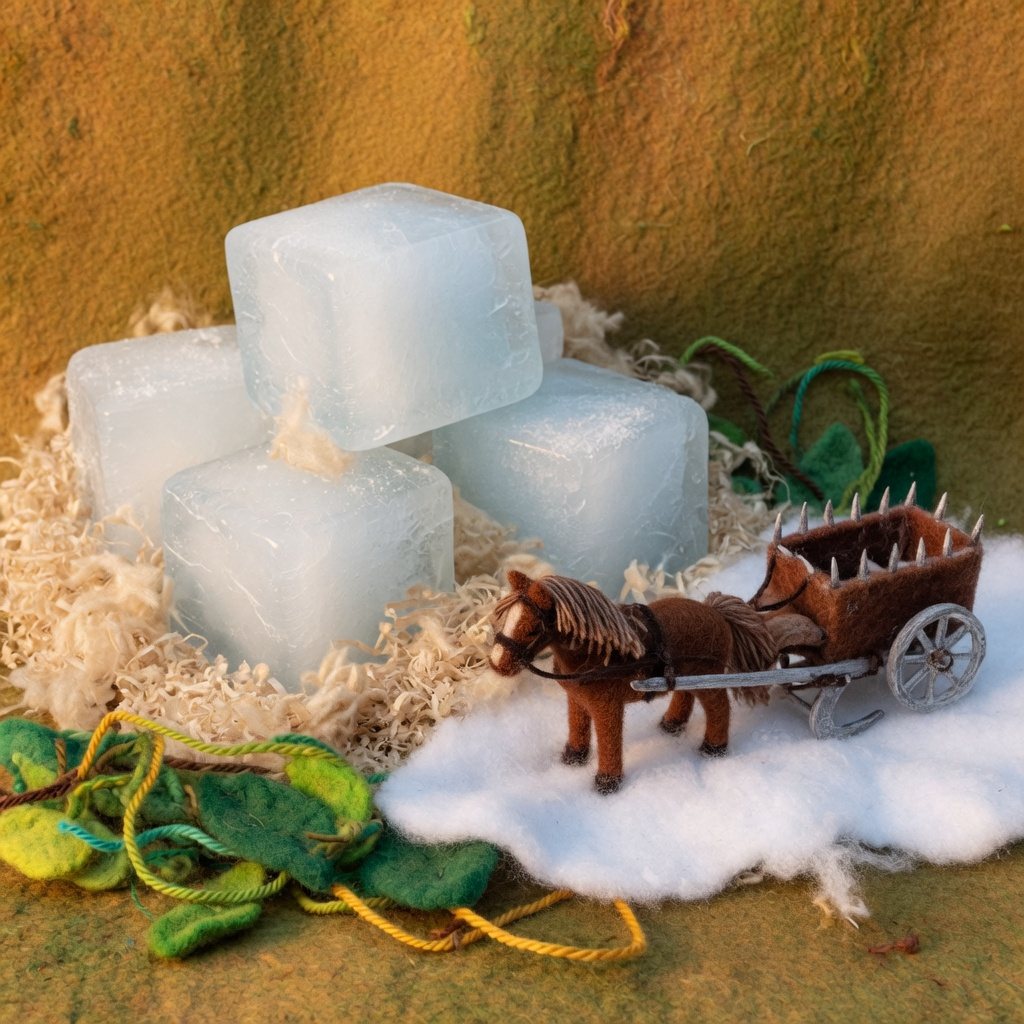
Tudor did not give up, even when money troubles sent him to debtors' prison for a time. He learned that sawdust, the waste left over from cutting wood, kept ice cold for a long time. He packed the blocks tightly and built ice houses, which are thick-walled stores that keep ice frozen, at the far end of each trip. From 1824 a partner, Nathaniel Wyeth, used a horse-pulled cutter to slice ice into neat blocks that packed together well.
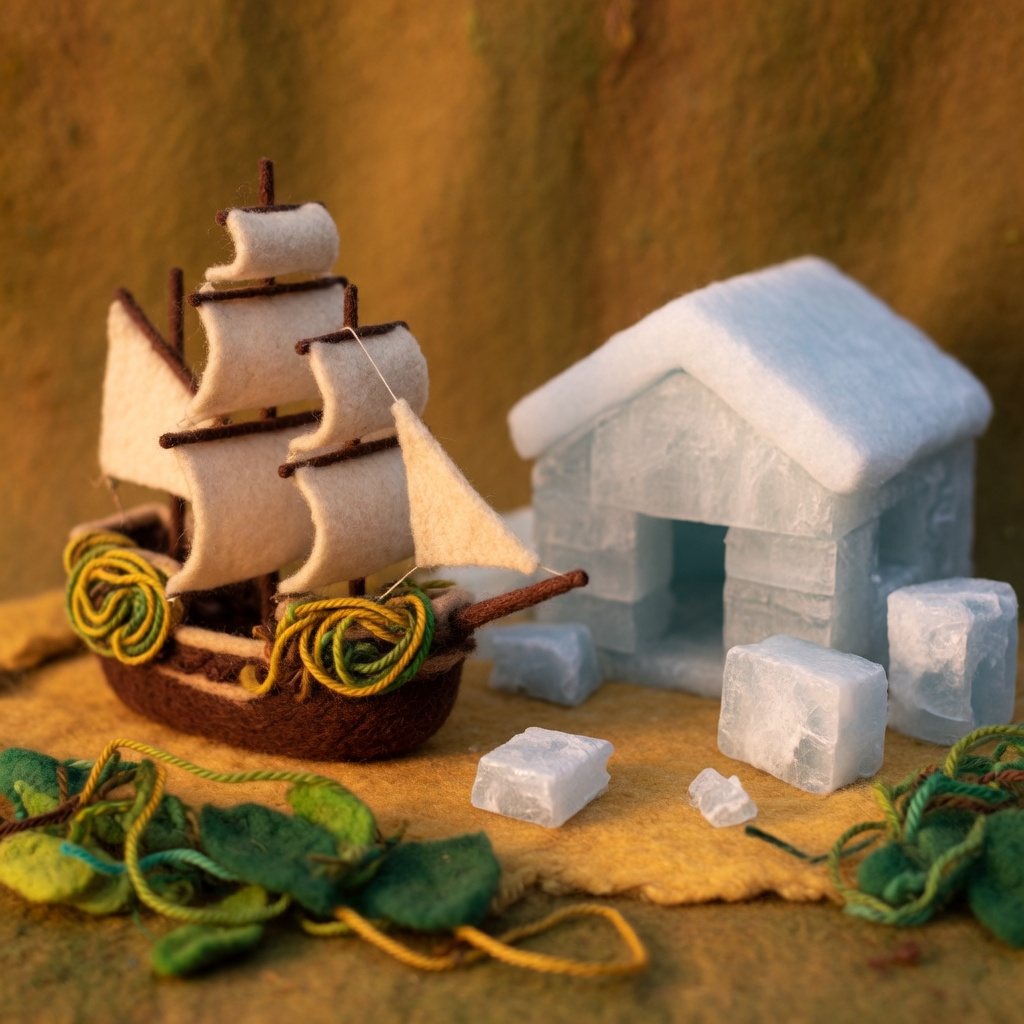
In 1833 the ship Tuscany carried about 180 tons of ice from Boston to Calcutta in India. The trip took about four months. Reports differ on how much was left, but plenty survived. Soon there were ice houses in Calcutta, Bombay and Madras.
When Tudor died in 1864, he was rich and famous as the Ice King. The first cargo was the joke. The trade that followed was not.
Want to know more?The full history, step by step
The story you've heard
It sounds like a tall tale told at a dinner party: a man fills a sailing ship with frozen pond water and sends it more than a thousand miles south, to an island where it never snows. Surely it all melted before it got there?
Some of it did. But the story is true, it has a name attached to it, Frederic Tudor, and the most interesting part is not the first voyage at all. It is what happened after he refused to give up.
What really happened
Tudor was born in Boston on 4 September 1783, the son of a well-off lawyer. His family had a country estate called Rockwood near Saugus, north of Boston, with a pond and an icehouse. In New England, ice was free every winter. In the West Indies, it did not exist. Tudor's idea, first written in his 'Ice House Diary' in August 1805, was simply to carry one to the other.
He bought a brig called Favorite, reportedly for 4,750 dollars, and his crews cut around 130 tons of ice from the family pond and hauled it to the docks. The ship sailed on 10 February 1806, bound for St Pierre in Martinique. The Boston Gazette reported the departure under the words 'No joke', and also hoped the venture would not turn out to be a 'slippery speculation'.
The voyage took about three weeks. When Favorite arrived, there was nowhere on the island to store the ice, so Tudor had to sell what survived straight out of the ship's hold while it dripped away. The trip lost him around 4,500 dollars. It proved that ice could survive an ocean voyage, but it certainly did not make him rich.
The years that followed were hard. Embargoes and the War of 1812 disrupted shipping, and Tudor's debts were serious enough that he spent time in debtor's prison. Yet he kept experimenting. He learned that sawdust, a free waste product from the timber mills, was a remarkably good insulator. He stacked blocks tightly, packed them with sawdust, hay or wood shavings, and, crucially, built well-insulated icehouses at the far end of the voyage. In 1815 he began one in Havana that could hold around 150 tons.
From 1824 he worked with Nathaniel Jarvis Wyeth, who supplied ice from Fresh Pond in Cambridge and developed a horse-drawn cutter that sliced the ice into neat, even blocks. Even blocks packed tighter and melted more slowly. Shipments grew from about 4,000 tons a year in 1826 to tens of thousands of tons by the 1840s.
All the way to India
The most famous voyage came in 1833. The ship Tuscany left Boston on 12 May with about 180 tons of ice and reached Calcutta in September, after a journey of some four months. Accounts differ on exactly how much survived: the captain reported about 100 tons, while Tudor later wrote that two-thirds arrived intact. Either way, it was enough. Ice houses followed in Calcutta, Bombay and Madras.
By the time Tudor died in Boston in February 1864, aged 80, he was a wealthy man and widely known as the Ice King. Over twenty years, the Calcutta trade alone is estimated to have brought him around 220,000 dollars in profit, which shows how completely the joke of 1806 had turned around.
On your plate today
Tudor did not just sell ice; he sold the idea of cold. He gave away samples, showed people how to make ice cream, encouraged iceboxes and promoted ice for hospitals, so that customers came to rely on it. Chilled drinks in hot places became normal partly because he kept pushing.
He was also fiercely competitive. He priced ice low to build a market, tried to secure exclusive rights in the ports he served, and stayed far enough ahead of his imitators that the ice trade became one of New England's great exports. In 1833 he was also deep in debt from a failed gamble on coffee, a reminder that the Ice King's life was never one smooth success.
Electric refrigeration eventually ended the natural ice trade. But the next time the ice clinks in your glass on a warm day, it is worth remembering that it once arrived by sailing ship, and that the first cargo was a loss.
Timeline
- 1783Frederic Tudor is born in Boston on 4 September.
- 1805Tudor writes down his plan for carrying ice to tropical climates.
- 1806The brig Favorite sails for Martinique on 10 February; the venture loses about 4,500 dollars.
- 1815Tudor begins a large insulated icehouse in Havana.
- 1824Nathaniel Wyeth joins as a supplier and develops a horse-drawn ice cutter.
- 1833The ship Tuscany delivers New England ice to Calcutta.
- 1864Tudor dies in Boston, known as the Ice King.
Sources
- How Pioneering Entrepreneurs Helped 19th-Century America Keep Cool · HistoryNet
- Cold Mine · American Heritage
- Frederic Tudor · Wikipedia
Spotted something we got wrong? Message us on any of our channels and we'll check it.
Woolly facts
In 1806 Frederic Tudor shipped about 130 tons of New England pond ice to the Caribbean island of Martinique.
When Frederic Tudor's ice ship left Boston in 1806, a local newspaper reported it under the words "No joke".
Frederic Tudor's first ice voyage to Martinique lost him about 4,500 dollars, because the island had nowhere to store the ice.
Ice trader Frederic Tudor discovered that sawdust, a free waste product from timber mills, was a brilliant way to stop ice melting at sea.
In 1833 a ship called Tuscany carried New England ice on a four-month voyage all the way to Calcutta in India.
Ice merchant Frederic Tudor did not make his first real profit until 1810, four years after his first ice voyage.
The writer Henry David Thoreau imagined the water of Walden Pond mixing with India's Ganges river, because ice from the pond was shipped there.
Frederic Tudor, the Boston man who shipped ice around the world, became known as the Ice King.