Dom Pérignon invented sparkling champagne.
Many people think the monk Dom Pérignon invented sparkling champagne. He did not. He was a great winemaker who actually tried to stop wine getting bubbles, and an English scientist described making wine sparkle years before.
Dom Pérignon made Champagne's still wines better, but he tried to stop bubbles, and the English had described making wine sparkle years before he started.
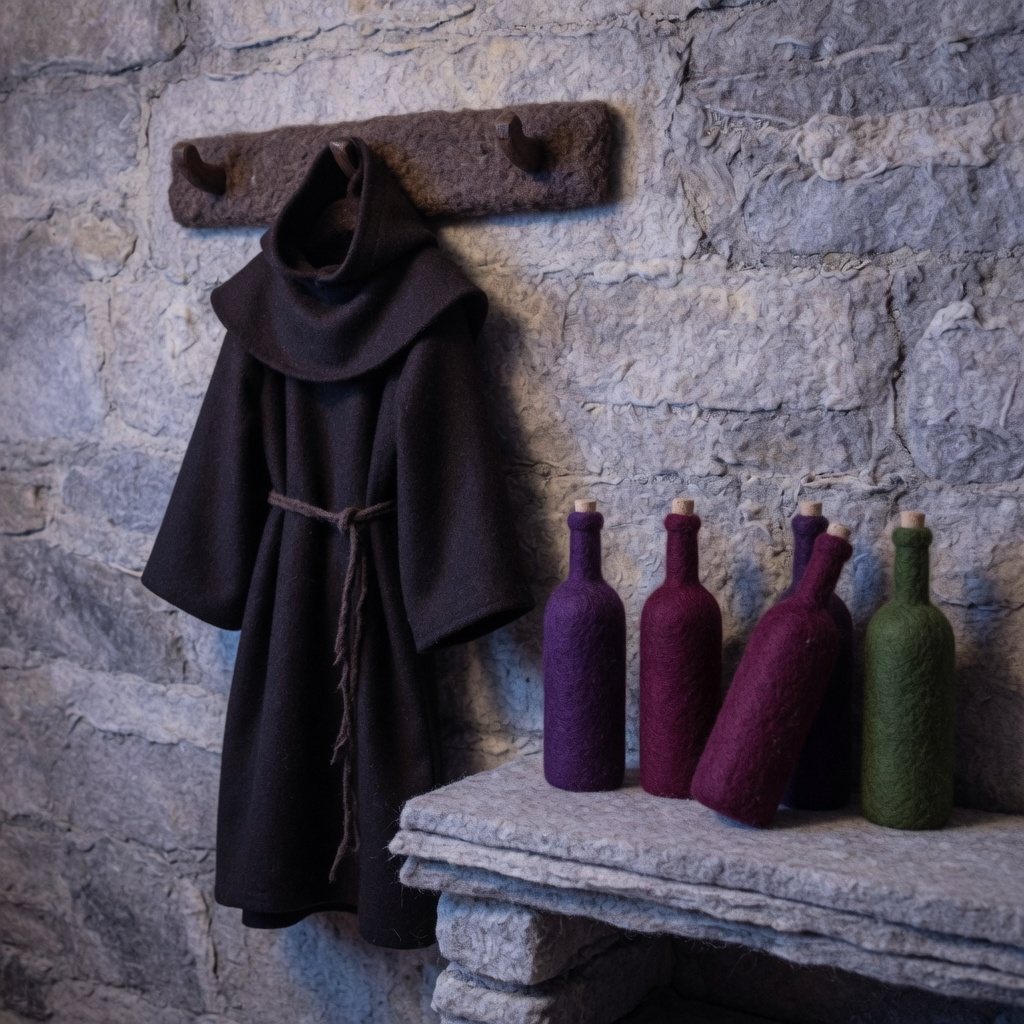
Pierre Pérignon was born in north-east France in 1638. He became a Benedictine monk, which is a member of a religious community that lives by strict rules. In 1668 he moved to the Abbey of Hautvillers in the Champagne region. He became its cellarer, the monk in charge of the wine.
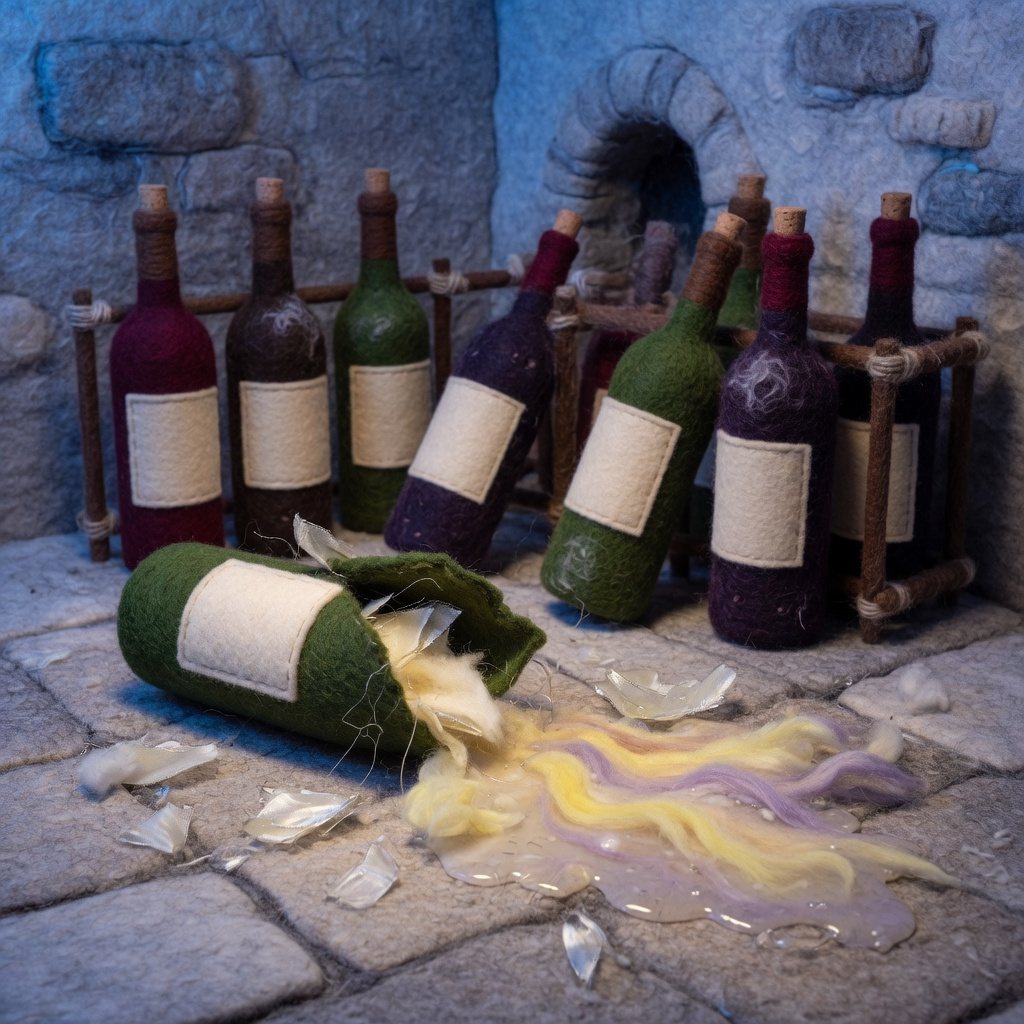
Champagne is a cold place. Sometimes wine stopped fermenting in the chilly autumn. Fermenting is when yeast turns sugar into alcohol and gas. In spring the wine warmed up and started again inside the bottle. This made bubbles. To French winemakers, bubbles were a fault. Worse, the gas could make weak bottles explode in the cellar.
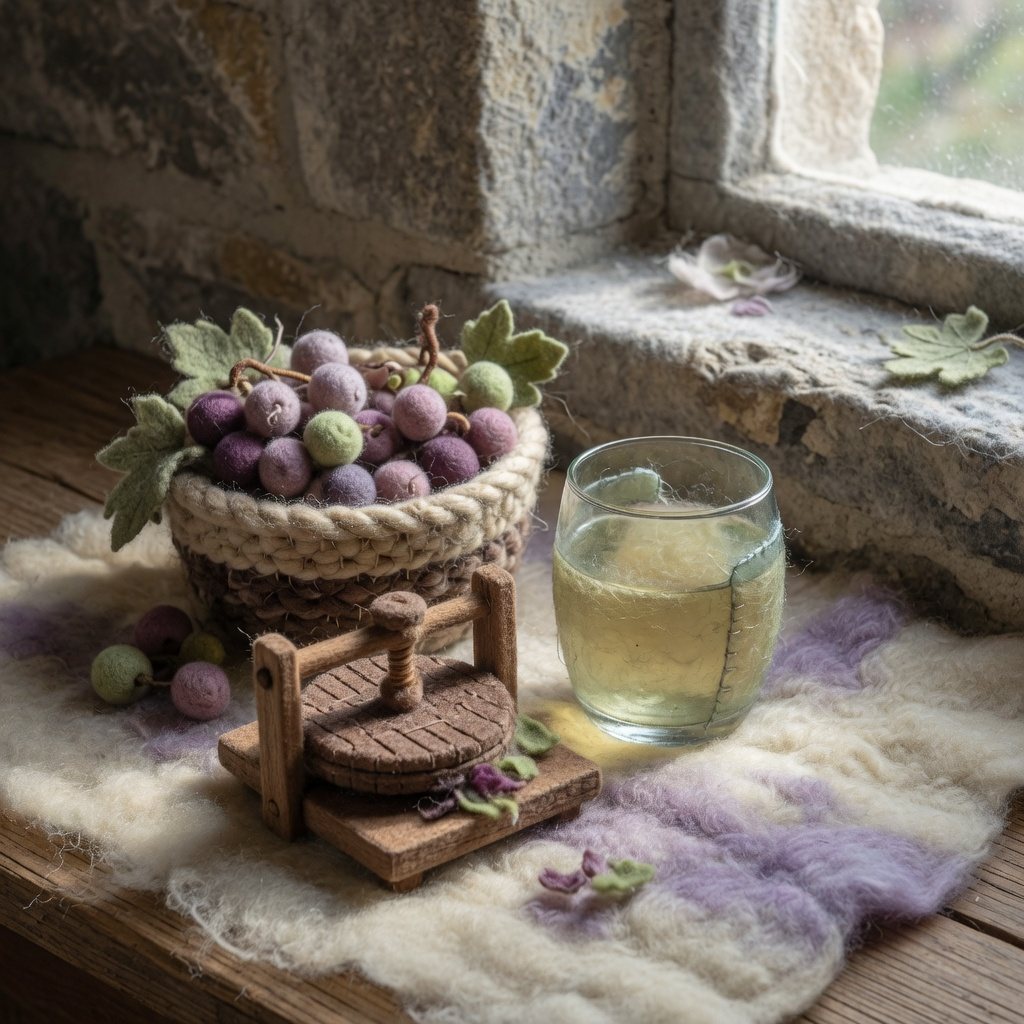
So Dom Pérignon worked hard to stop the bubbles. His real gift was making better still wine, meaning wine with no fizz. He picked grapes in the cool morning and pressed them gently. He was also a master at blending, which means mixing grapes from different vineyards to get the best taste.
Meanwhile, in England, people liked their wine lively. In 1662 a doctor and scientist named Christopher Merret gave a talk to the Royal Society in London. He described wine sellers adding sugar to wine to make it sparkle. That was about six years before Dom Pérignon even arrived at Hautvillers. English glass was also stronger, because it was made in hotter coal-fired furnaces. Stronger bottles and cork stoppers meant fizzy wine could be kept safely.
Dom Pérignon died in 1715. Later, people began to tell a different story about him. A later monk wrote glowing accounts that added claims about bubbles. In 1889 the champagne trade promoted him as the inventor of sparkling champagne. The famous line about "tasting the stars" first appeared in an advert in the late 1800s, long after he died.
So Dom Pérignon deserves praise as a winemaker. But the bubbles were never his idea.
Want to know more?The full history, step by step
The story you've heard
Picture a Benedictine monk in a candlelit cellar in Champagne. He takes a sip of a new wine, his eyes widen, and he calls to his brothers: come quickly, I am tasting the stars! In that moment, so the story goes, sparkling champagne is born.
It is a lovely scene, and the name Dom Pérignon is now printed on one of the most famous bottles in the world. But almost every part of that scene is a later invention. The real monk was a brilliant winemaker. He simply was not trying to make bubbles.
Who Dom Pérignon really was
Pierre Pérignon was born in Sainte-Menehould in north-east France in late 1638. He joined the Benedictine order at 17, and in 1668 he moved to the Abbey of Saint-Pierre at Hautvillers, near Épernay, where he served as cellarer for the rest of his life. He died there in 1715.
His job was to make the abbey's wine as good, and as valuable, as possible. Under his care the abbey's vineyards doubled in size. He favoured Pinot Noir for fine wine, pruned the vines hard, picked grapes in the cool of the morning, avoided treading them and pressed them gently so the juice stayed pale. He became known for making white wine from black grapes.
He was also a master of blending. He did not invent the idea of mixing wines in Champagne, but he blended grapes from different vineyards before pressing, to balance out a weak harvest in one place with a strong one in another. That skill is still at the heart of how champagne is made today.
Why bubbles were a problem
Champagne is a cold region. In autumn, fermentation could stop before all the sugar in the wine had been used up. When the weather warmed in spring, it could start again inside the bottle, producing gas. To French winemakers of the time, that fizz was a fault, a sign of badly made wine.
It was also dangerous. French glass was relatively weak, and bottles sealed with wooden stoppers and oiled cloth could burst under the pressure, sometimes setting off others nearby. Much of Dom Pérignon's effort went into preventing that refermentation, not encouraging it.
Meanwhile, in London
Across the Channel, English drinkers were happily adding sugar, honey or raisin syrup to imported wine, which set off a second fermentation and made it lively. On 17 December 1662, the physician and naturalist Christopher Merret presented a paper to the newly formed Royal Society, titled Some Observations Concerning the Ordering of Wines. In it he described wine coopers adding large amounts of sugar and molasses to make wines brisk and sparkling.
Merret was no wine merchant. Born in Winchcombe in Gloucestershire, he trained in medicine at Oxford, became the Royal College of Physicians' first keeper of its library, and was a founder fellow of the Royal Society. His paper was a careful record of what London's vintners were already doing. That was about six years before Dom Pérignon arrived at Hautvillers. The English also had an advantage in glass. After King James I banned wood-fired glass furnaces in 1615 to save timber for shipbuilding, glassmakers switched to coal, which ran hotter and produced tougher bottles that could survive the pressure. Add cork stoppers, and fizzy wine became something you could actually keep.
Sparkling wine did catch on in France in the eighteenth century, but the bubbly style did not dominate Champagne until the mid-1800s, more than a century after the monk's death.
Why the myth stuck
After Dom Pérignon died, a later monk at Hautvillers, Dom Grossard, wrote glowing accounts of him that added claims about corks, bottles and effervescence. Then, in 1889, Champagne's wine trade promoted Pérignon as the inventor of sparkling champagne at the great Paris Exposition. The famous line about tasting the stars first appears in a print advertisement from the late nineteenth century, long after he died.
So raise a glass to him by all means. He earned it as a grower, presser and blender. Just remember that the bubbles were somebody else's idea, and he spent much of his life trying to get rid of them.
Timeline
- 1638Pierre Pérignon is born in Sainte-Menehould, France.
- 1662Christopher Merret describes adding sugar to wine to make it sparkle, in a paper to the Royal Society in London.
- 1668Dom Pérignon becomes cellarer at the Abbey of Hautvillers.
- 1715Dom Pérignon dies at Hautvillers.
- 1889Champagne's wine trade promotes him as the inventor of sparkling champagne at the Paris Exposition.
- Late 1800sThe 'tasting the stars' line first appears in a print advertisement.
Sources
- Christopher Merrett and the beginnings of champagne · Royal College of Physicians
- Champagne is deeply French – but the English invented the bubbles (Garritt C. Van Dyk, via The Conversation) · InDaily
- Dom Pérignon (monk) · Wikipedia
Spotted something we got wrong? Message us on any of our channels and we'll check it.
Woolly facts
Dom Pérignon, the monk often credited with inventing champagne, actually saw bubbles in wine as a fault and tried to prevent them.
In 1662 English scientist Christopher Merret described adding sugar to wine to make it sparkle, before Dom Pérignon began making wine.
In Dom Pérignon's time, bubbles in champagne bottles could build up so much pressure that bottles exploded in the cellar.
The famous champagne line about "tasting the stars" was first printed in an advert in the late 1800s, long after Dom Pérignon died.
English glass bottles became stronger after King James I banned wood-fired glass furnaces in 1615, which helped sparkling wine survive.
Dom Pérignon was famous for making white wine from black grapes by pressing them gently so the juice stayed pale.
The idea that Dom Pérignon was blind probably comes from his habit of tasting grapes without knowing which vineyard they came from.
Christopher Merret's 1662 paper on making wine sparkle was printed in a 1669 book called The Mysterie of Vintners.