Chewing gum was supposed to be a tyre.
Modern chewing gum really did start as a failed plan to make tyres. In the 1860s, Thomas Adams tried to turn chicle, a tree sap from Mexico, into rubber. It did not work, so he sold it as chewing gum instead.
Thomas Adams first tried to turn chicle into a rubber substitute for tyres; when that failed, he sold it as chewing gum.
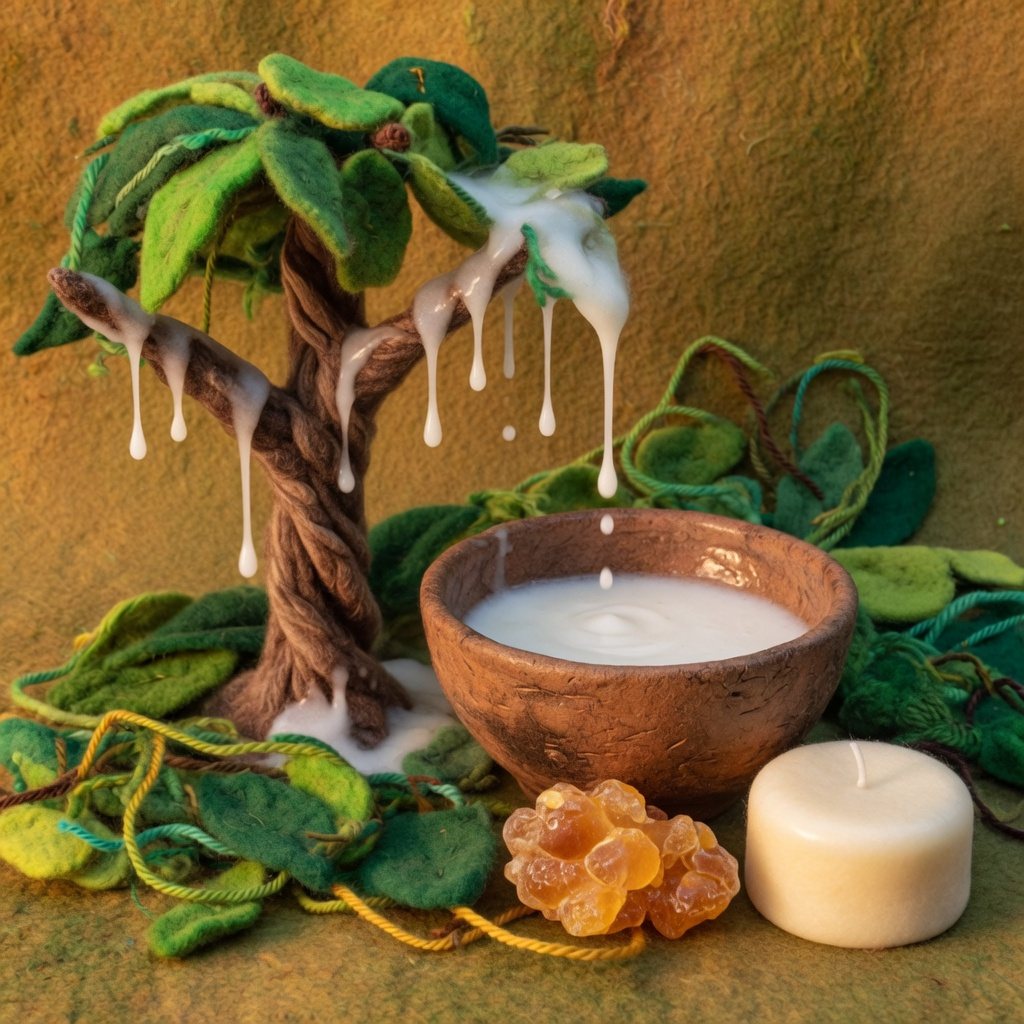
Long ago, the Maya of Mexico and Central America chewed chicle. Chicle is the milky sap, called latex, of the sapodilla tree. People there chewed it for centuries. In the United States in the early 1800s, gum was different. It was made from spruce tree resin or sweetened wax, and it was not much fun to chew.
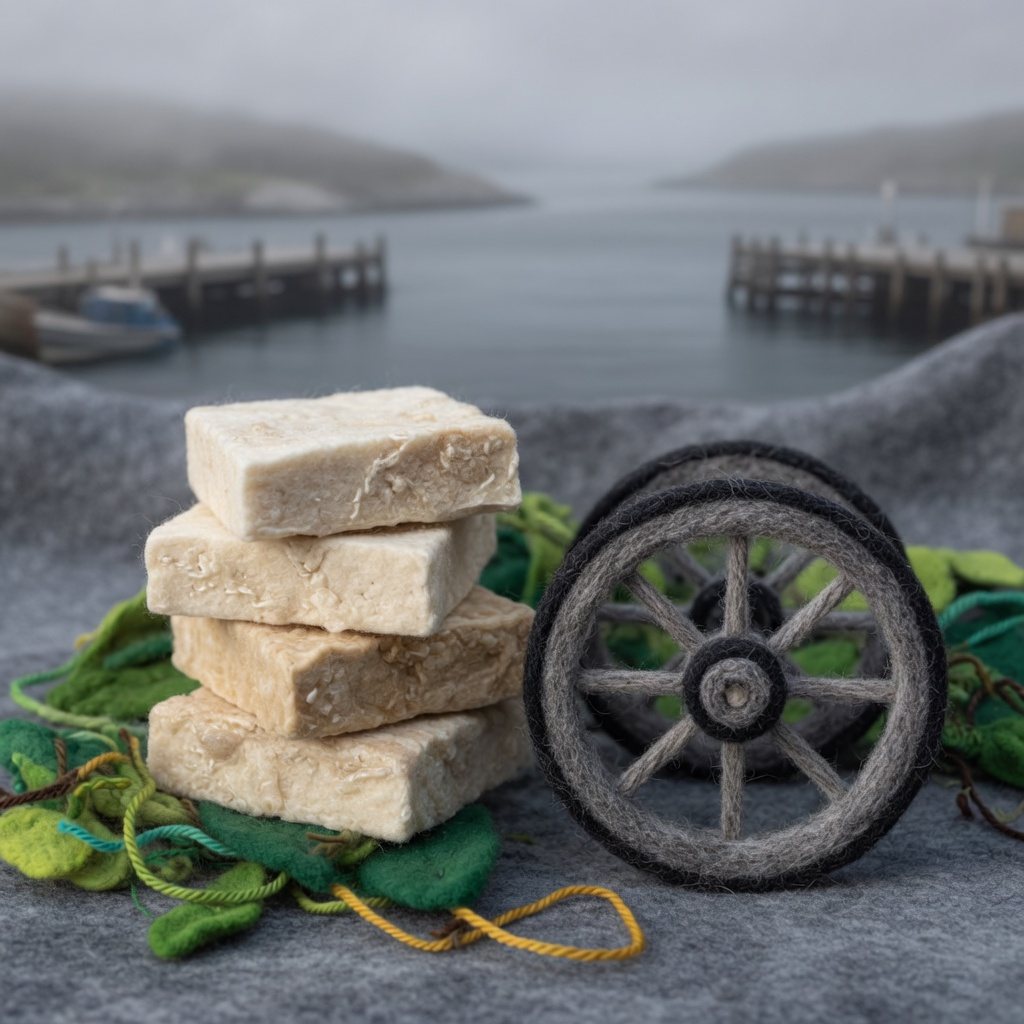
Antonio López de Santa Anna was a general who had led Mexico more than once. By the 1860s he had lost power and lived in exile, far from home, on Staten Island in New York. He had a stock of chicle. He hoped Americans would buy it as a cheap swap for rubber. Rubber was costly, and people needed it for things like carriage tyres.
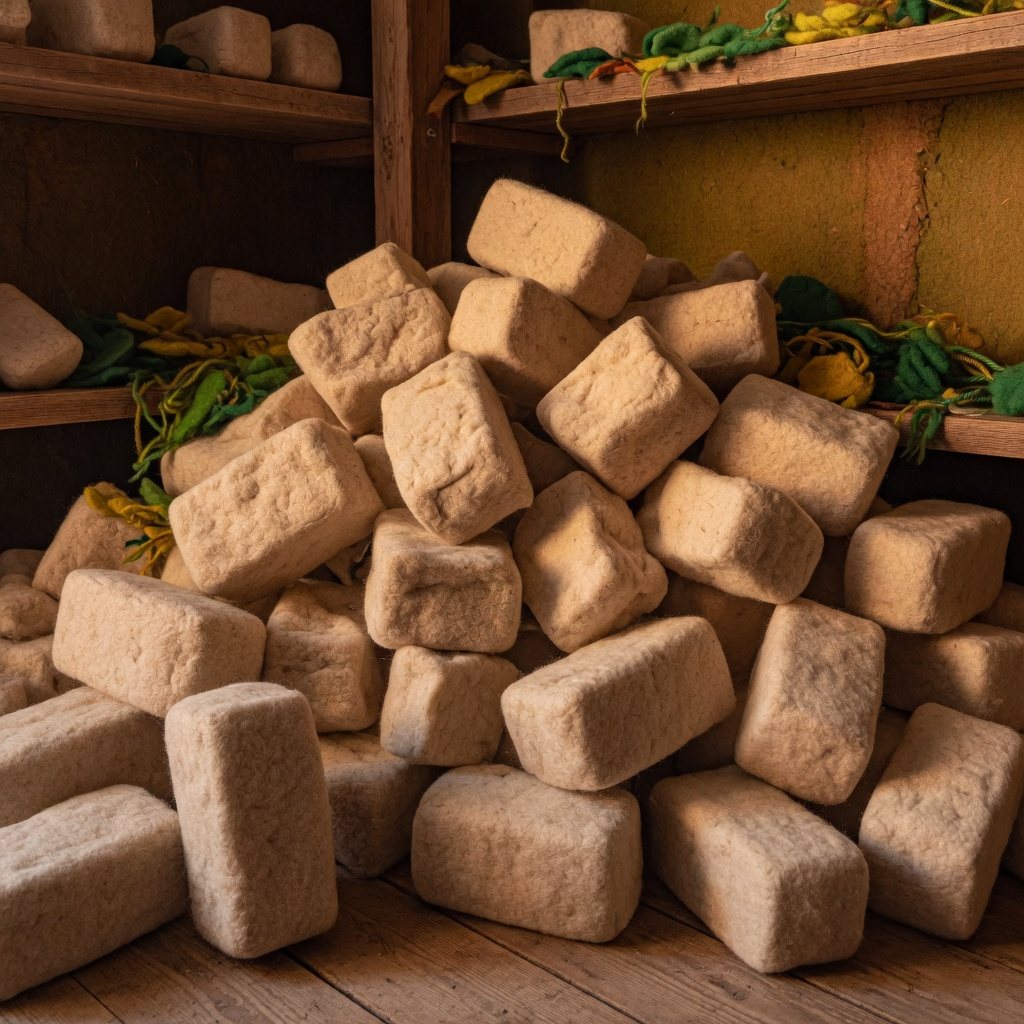
Santa Anna teamed up with Thomas Adams, a New York inventor. Stories differ on when and how they met. One historian says Adams bought about a ton of chicle in 1869.
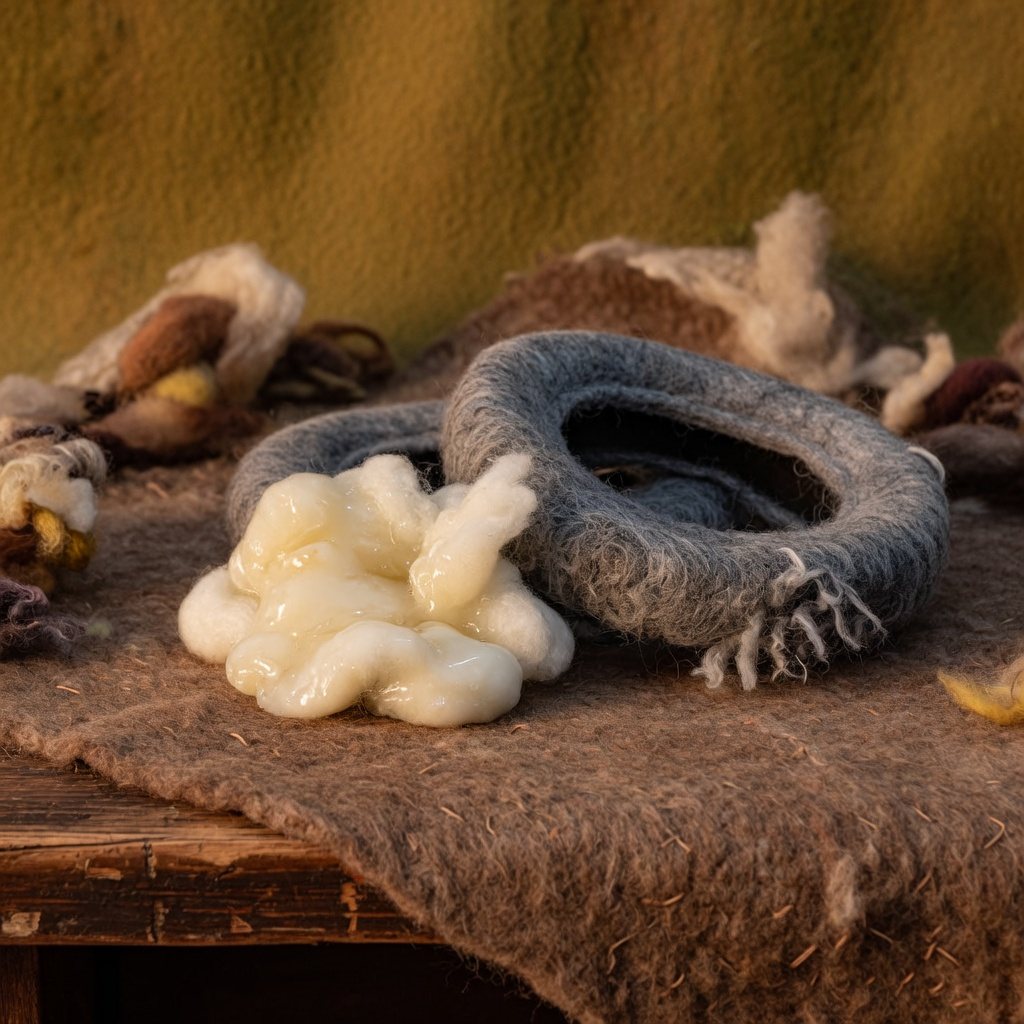
Adams tried to make the chicle hard and bouncy like rubber. He worked at it for about a year. It never hardened. Nobody wanted it for tyres, and he was stuck with a huge pile of useless sap.
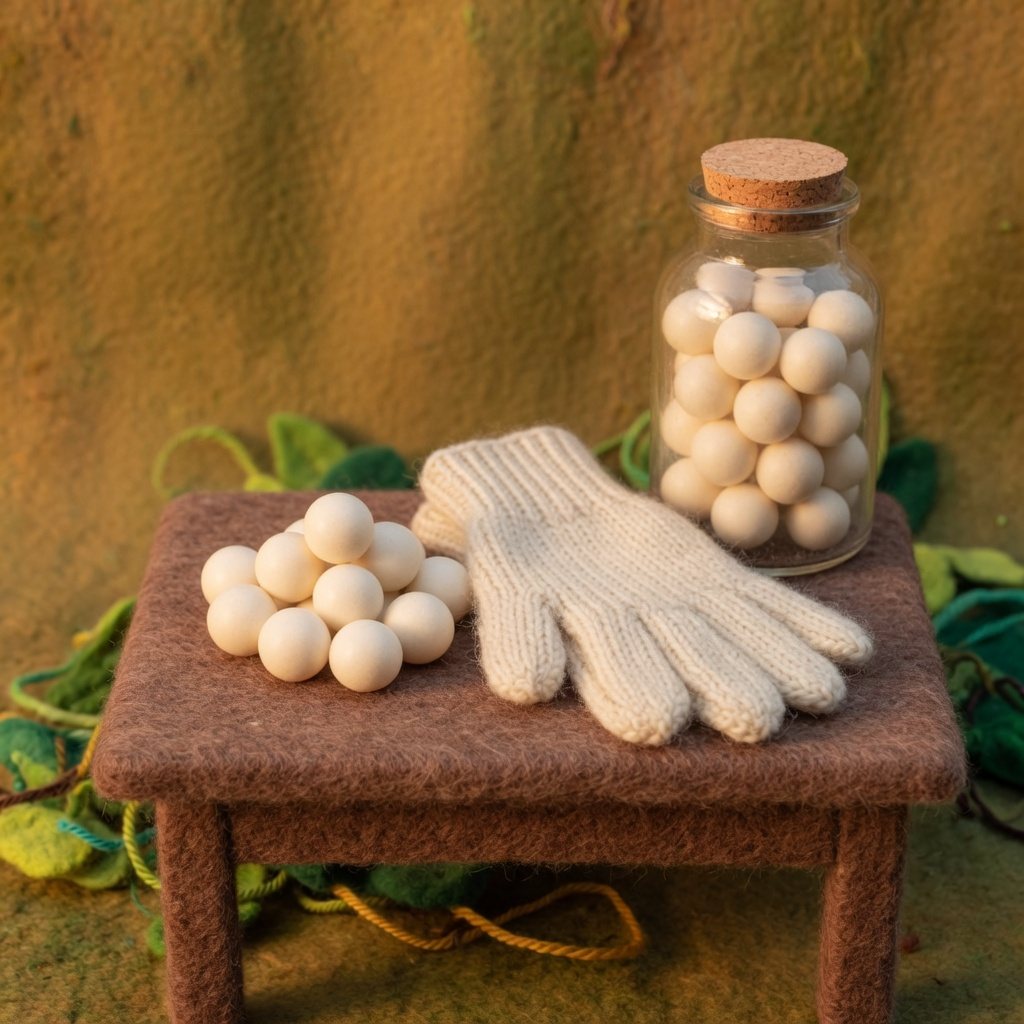
Then, in a chemist's shop, he saw a girl buy chewing gum. He remembered that in Mexico people already chewed chicle. So he and his son made plain chicle gum in their kitchen. His son Horatio took about two hundred balls of it to a shop. They sold for two for a penny and were gone by the end of the day.
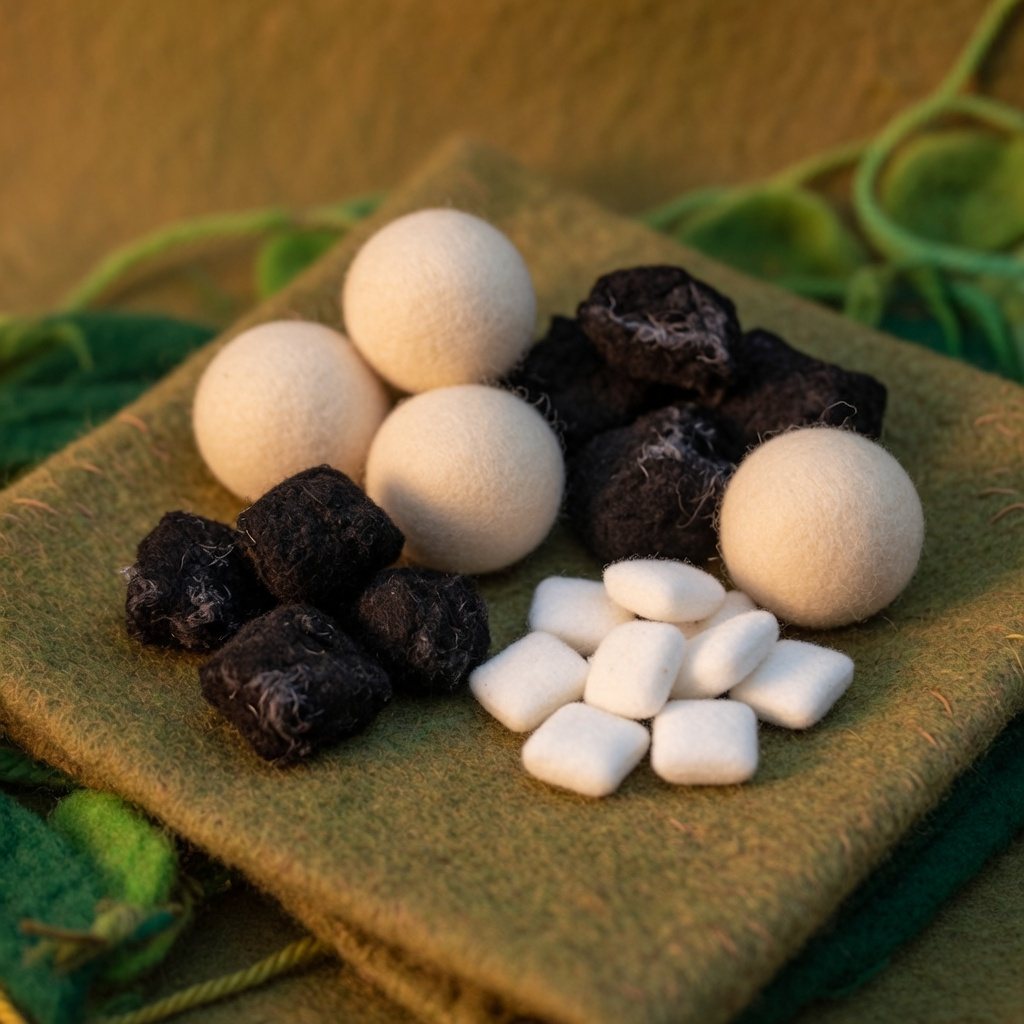
In 1871 Adams patented his way of making chicle gum. Adams New York Chewing Gum was soon sold in shops. Later came flavoured gums like Black Jack and Chiclets. Adams died rich in 1905. Santa Anna died poor.
Want to know more?The full history, step by step
The story you've heard
Somewhere in the middle of the nineteenth century, the story goes, a man tried to make tyres out of tree sap, failed, and accidentally invented modern chewing gum.
It is mostly right. The sap was real, the rubber scheme was real, and the man, Thomas Adams, really did turn his failure into one of the best-known gum businesses in the world. The details, especially the dates, wobble from one telling to another.
A very old chew
Chewing was not new. In Mexico and Central America, the Maya tapped the sapodilla tree for its milky latex, chicle, and chewed it in lumps. The word chicle itself comes down from their name for it. People in Mexico had been chewing it for centuries before any American factory got involved.
In the United States in the early 1800s, chewing gum generally meant spruce resin or sweetened paraffin wax, sold in drugstores. It worked, more or less, but it was not much fun to chew.
The general and the inventor
Antonio López de Santa Anna had led Mexico more than once and had famously been defeated by Sam Houston at San Jacinto in 1836. By the 1860s he was in exile and living on Staten Island, New York, hoping to raise money to return to power. He had a stock of chicle and a plan: sell it to Americans as a cheap substitute for rubber, which was expensive and in demand for things like carriage tyres.
He connected with Thomas Adams, a New York inventor. Accounts differ on how they met. One says Adams had worked as Santa Anna's secretary; the engineering historian John Lienhard dates their deal to 1869, when Adams bought about a ton of chicle. Other versions place the first contact in the 1850s or mid-1860s, which is why careful writers avoid a single date.
Adams experimented, trying to blend the chicle into something that would cure and harden like rubber. It would not. The coach-tyre makers were not interested, and he was left with a large and useless stockpile.
From failure to penny gum
The turn came in a drugstore. According to the account kept by the company that later owned his brand, Adams saw a girl ask for chewing gum, and it reminded him that in Mexico chicle was already something people chewed. He and his son began making plain chicle gum in their kitchen.
Lienhard describes Adams's son Horatio taking about two hundred balls of the gum to a druggist, who sold them two for a penny; they were gone by the end of the day. In 1871 Adams patented a way of preparing chicle for gum, and Adams New York Chewing Gum was soon on drugstore counters. So by 1871, whatever the exact date of the first batch, he was selling it as gum.
Success followed. Flavours made the difference. In 1884 the liquorice-flavoured Black Jack became a hit. In 1899 the business merged with several of the biggest gum makers in the United States and Canada, and Chiclets followed. Adams died a wealthy man in 1905. Santa Anna, by contrast, died poor, never having profited from the chicle he brought north.
On your plate today
Most gum today is made with synthetic bases rather than tree sap, though chicle is still harvested in parts of Mexico and Central America. Next time you chew, spare a thought for the tyre that never rolled.
Timeline
- Centuries before 1800The Maya and others in Mexico chew chicle from the sapodilla tree.
- 1850s–1860sExiled Santa Anna brings chicle to New York, hoping to sell it as a rubber substitute.
- 1869Thomas Adams buys a large stock of chicle and fails to make rubber from it.
- 1871Adams patents a chicle gum process and sells Adams New York Chewing Gum.
- 1884Black Jack liquorice gum is launched.
- 1899Adams's business merges with other leading gum makers; Chiclets appear.
Sources
- Engines of Our Ingenuity No. 963: Chewing Gum · University of Houston
- How a Mexican Dictator Helped Invent Chewing Gum · The Saturday Evening Post
- Our History · Mondelēz International
Spotted something we got wrong? Message us on any of our channels and we'll check it.
Woolly facts
Chewing gum began as a failed experiment: Thomas Adams first tried to turn chicle tree sap into rubber for tyres.
Chicle, the original chewing gum base, is the milky sap of the sapodilla tree from Mexico and Central America.
The exiled Mexican general Santa Anna lived on Staten Island, New York, and brought chicle there.
Before chicle, American chewing gum was often made from spruce tree resin or sweetened paraffin wax.
The first balls of Thomas Adams's chicle gum sold two for a penny and were gone by the end of the day.
Thomas Adams patented a way of preparing chicle for chewing gum in 1871.
Black Jack, a liquorice-flavoured chewing gum launched in 1884, was one of the first big flavoured gum hits.
Thomas Adams's gum company put gum vending machines on New York subway platforms.