The sandwich is named after a real person.
The sandwich really is named after a real person: John Montagu, the 4th Earl of Sandwich. The famous story says he ate it so he could keep playing cards. That part is much less certain.
The name comes from John Montagu, 4th Earl of Sandwich; the famous card-table story is much less certain.
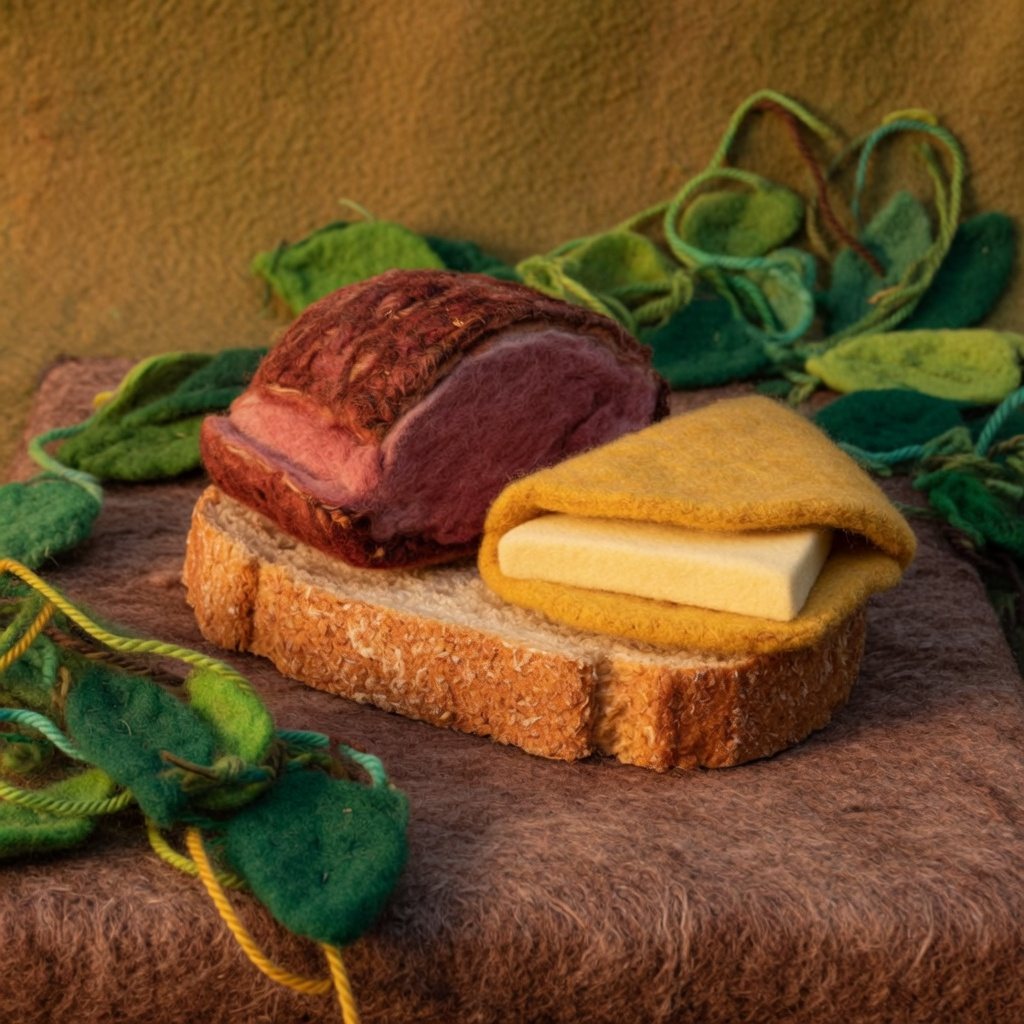
People have put food between bread for a very long time. Farm workers in France did it. In old England, thick slices of bread were even used as plates under meat. But there was no word sandwich yet.
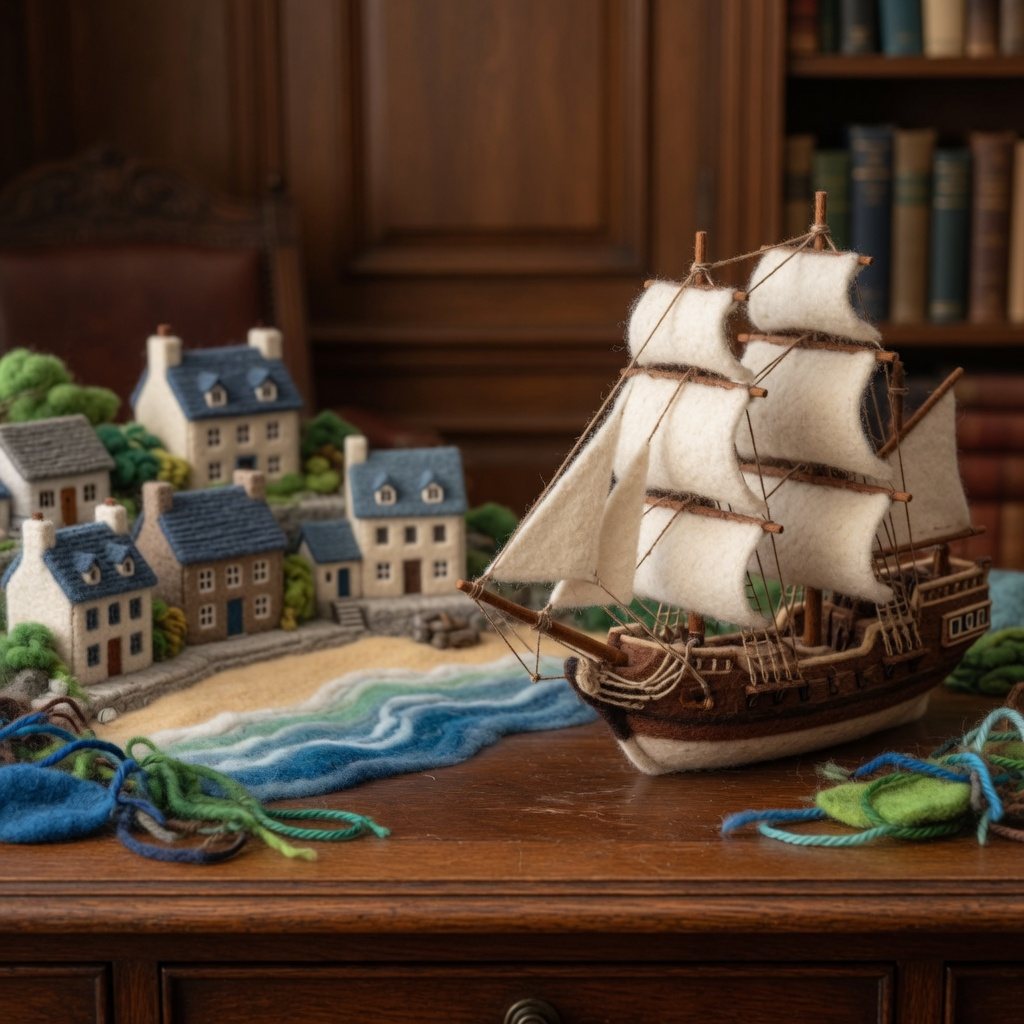
John Montagu was born in 1718. He became the 4th Earl of Sandwich. An earl is a kind of nobleman, and his title came from Sandwich, a small town in Kent. He was a busy politician in London. For a time he ran the Royal Navy.
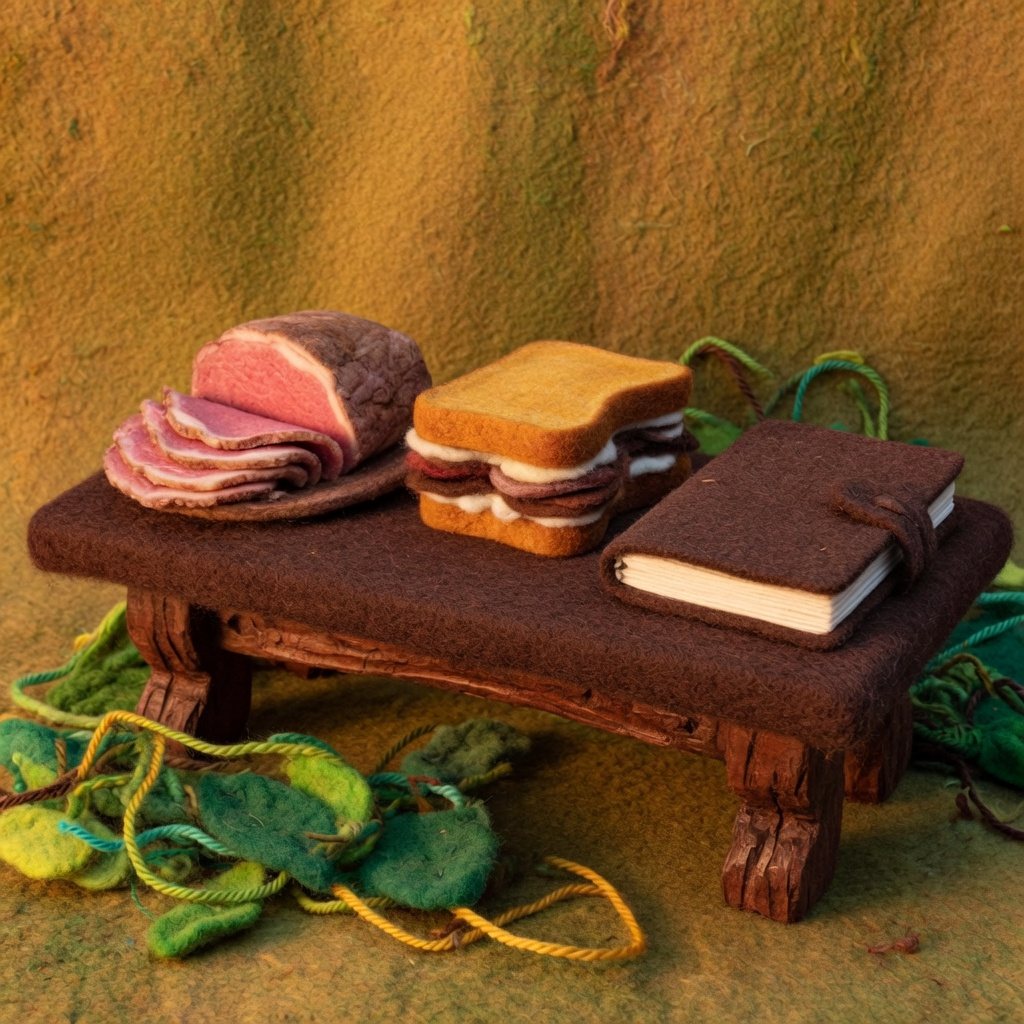
By the early 1760s, his title had become the name of a snack. In 1762 the historian Edward Gibbon wrote in his diary about men at a London club eating cold meat or a sandwich. This is the oldest known use of the word for food.
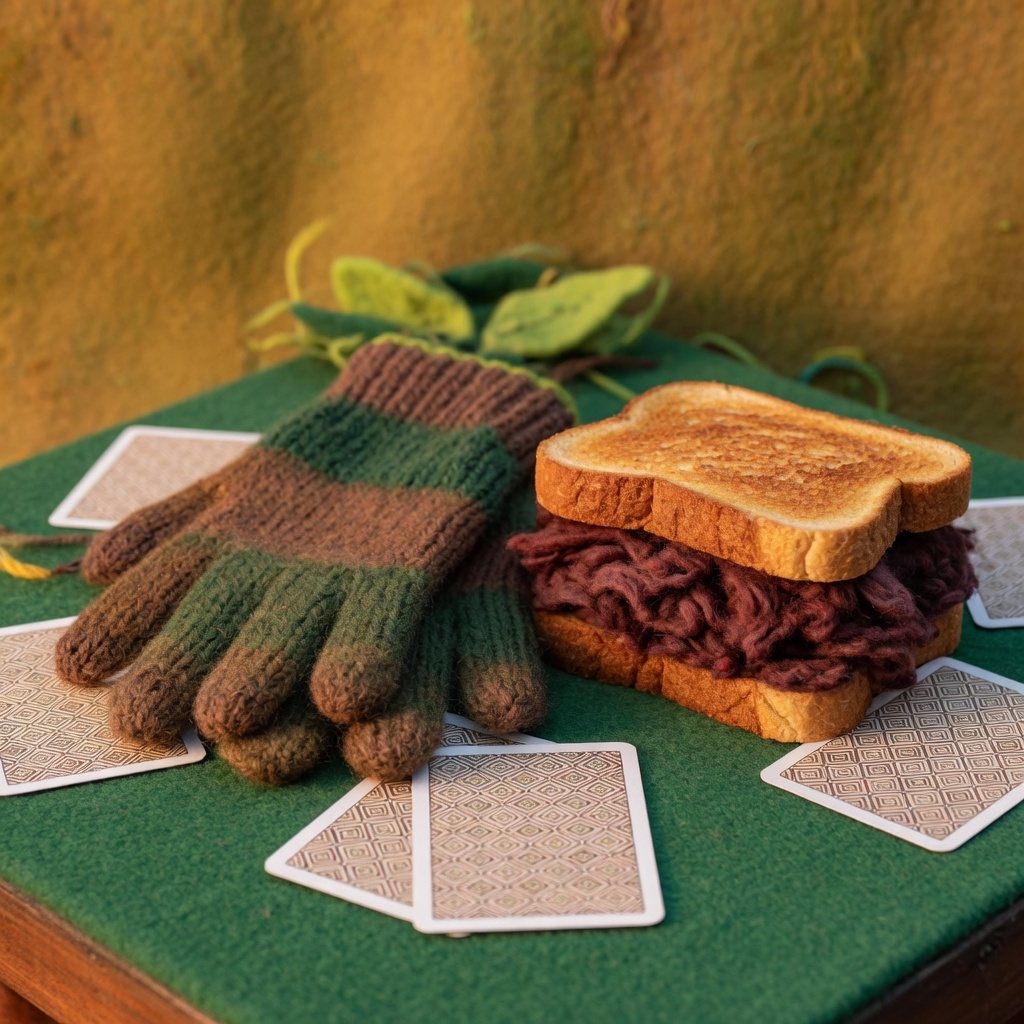
So why was it named after the earl? The famous answer comes from a French writer, Pierre-Jean Grosley, who visited London in 1765. He wrote about a government minister who spent 24 hours at a card table. The minister ate only beef between slices of toast, so he would not have to stop. Grosley said the snack took the minister's name.
But there are problems with this tale. It comes from just one book, and Grosley did not even name the earl. The word was also already in use before his visit. A modern historian who wrote the earl's life story found no proof that he gambled a lot. He thought the earl might simply have eaten at his desk while working. Nobody knows for sure.
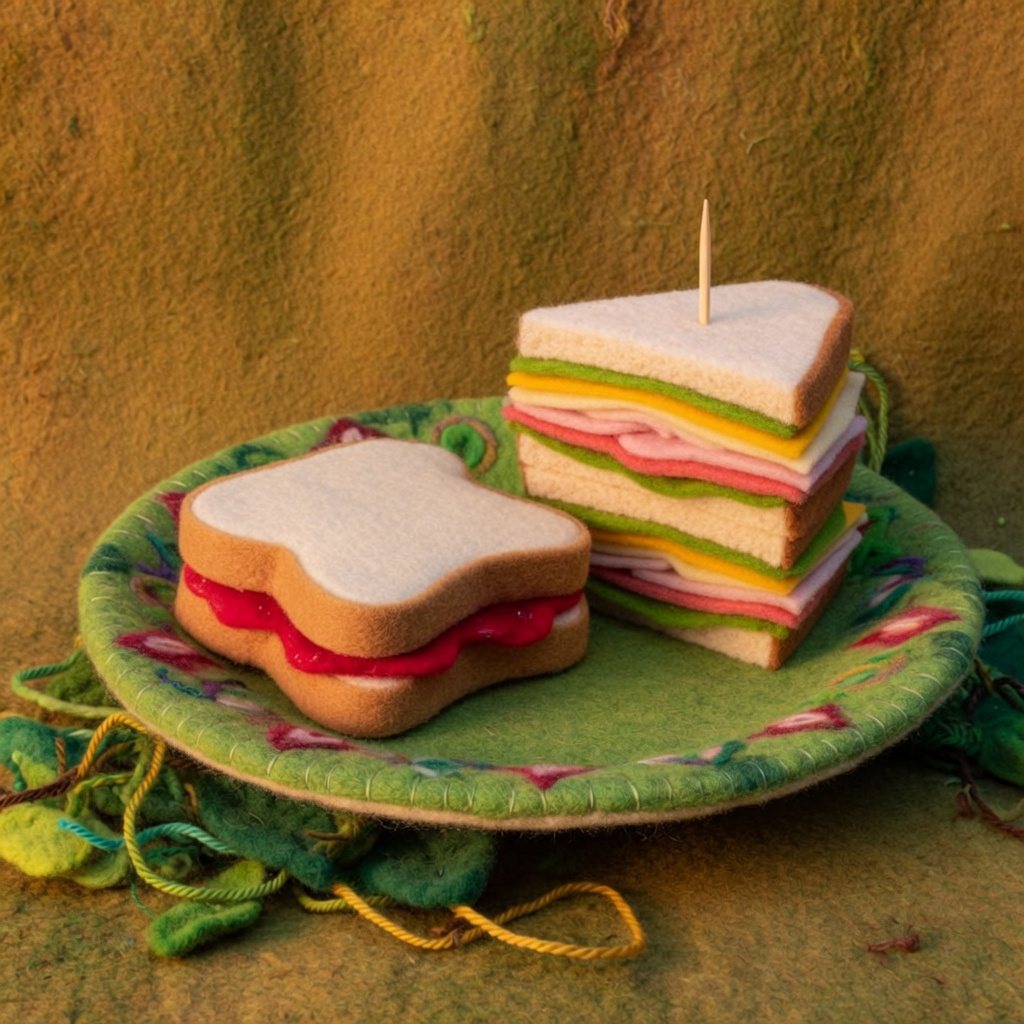
What we do know is that the name stuck. By the late 1700s, sandwiches were served at parties in England. Soon Americans used the word too. Today it means anything from a jam sandwich to a huge club sandwich.
Want to know more?The full history, step by step
The story you've heard
Everyone has heard it. The Earl of Sandwich was so hooked on cards that he refused to leave the gaming table for a meal and asked for meat between two slices of bread, so he could eat with one hand and keep playing with the other.
Half of that is solid. The sandwich really is named after an earl. The card game is a different matter.
Who the earl was
John Montagu, the 4th Earl of Sandwich, lived from 1718 to 1792. His title came from Sandwich, a small town in Kent, but his life was spent in London politics. He served as First Lord of the Admiralty, running the Royal Navy, and also as a Secretary of State. He was a busy, controversial and well-known figure, the sort of man whose habits people talked about.
By the early 1760s his title had already become the name for a snack. The historian Edward Gibbon wrote in his journal in 1762 that he had seen members of the Cocoa Tree club in London eating a bit of cold meat or a sandwich. That is the earliest known use of the word for food, and Gibbon clearly expected his reader to know what it meant.
Where the card table comes from
The gambling story traces back to a French writer, Pierre-Jean Grosley, who visited London in 1765 and published an account of the city, Londres, a few years later. He described a government minister who spent twenty-four hours at a gaming table living on beef between slices of toast, and he said the dish had taken that minister's name. It is a lively anecdote, but it rests on that single text, and Grosley does not even name the earl.
There are problems with it. The word was already in use in 1762, before Grosley arrived. And the earl's modern biographer, the naval historian N. A. M. Rodger, found no evidence that Sandwich gambled heavily; he called the tale gossip. Rodger suggested a duller explanation: a hard-working minister who ate at his desk. Even that is not certain, since the dates of his time in and out of office do not line up neatly. The honest answer is that we know the name, but not exactly why it stuck.
Older than the name
People were putting food between bread long before any earl. The French reference book Larousse Gastronomique notes that farm workers in rural France ate meat between slices of bread long before the word reached London. In medieval and Tudor England, thick slices of bread served as edible plates under meat. Jewish tradition credits the sage Hillel the Elder with wrapping lamb and bitter herbs in unleavened bread at Passover, which some call the first sandwich.
What changed in the 1760s was the label and the fashion. In England, sandwiches were at first associated with clubs and late-night suppers among men. By the end of the century they were a supper dish at balls and parties, and English cookbooks began to include them. Across the Atlantic, Eliza Leslie listed ham sandwiches as a supper dish in her 1837 Directions for Cookery, and Americans took to the word.
On your plate today
Today the word covers everything from a jam sandwich to a towering club, and it has even become a verb: you can be sandwiched between two people on a bus. Whatever is in yours, it carries the name of one eighteenth-century earl who, for whatever reason, liked his dinner in a form he could hold.
Timeline
- 1718John Montagu, later 4th Earl of Sandwich, is born.
- 1762Edward Gibbon records club members eating a sandwich, the earliest known use.
- 1765Pierre-Jean Grosley visits London.
- c. 1770Grosley's book Londres tells the gaming-table story.
- 1792The earl dies.
- 1837Eliza Leslie's American cookbook lists ham sandwiches as a supper dish.
Sources
- History of the word 'sandwich' · word histories
- Sandwich · Grammarphobia
- Sandwich · Wordorigins.org
- Sandwiches · The Food Timeline
Spotted something we got wrong? Message us on any of our channels and we'll check it.
Woolly facts
The sandwich is named after John Montagu, the 4th Earl of Sandwich, who lived from 1718 to 1792.
The oldest known use of the word sandwich for food is in historian Edward Gibbon's diary from 1762.
The story of the Earl of Sandwich eating at a card table comes from just one French travel book.
The Earl of Sandwich's title comes from Sandwich, a small town in Kent, England.
The Earl of Sandwich ran Britain's Royal Navy as First Lord of the Admiralty.
In medieval England, thick slices of bread were used as edible plates under meat.
A 1993 life story of the Earl of Sandwich is called The Insatiable Earl.
An American cookbook from 1837 by Eliza Leslie listed ham sandwiches as a supper dish.