
The original fettuccine Alfredo had no cream.
Outside Italy, fettuccine Alfredo usually means pasta in a thick cream sauce. The original dish from Rome had no cream at all. It was just fresh pasta, lots of butter and Parmesan cheese, tossed until silky.
Alfredo Di Lelio's Roman dish was fresh fettuccine, butter and Parmesan; the cream came later, in American kitchens.
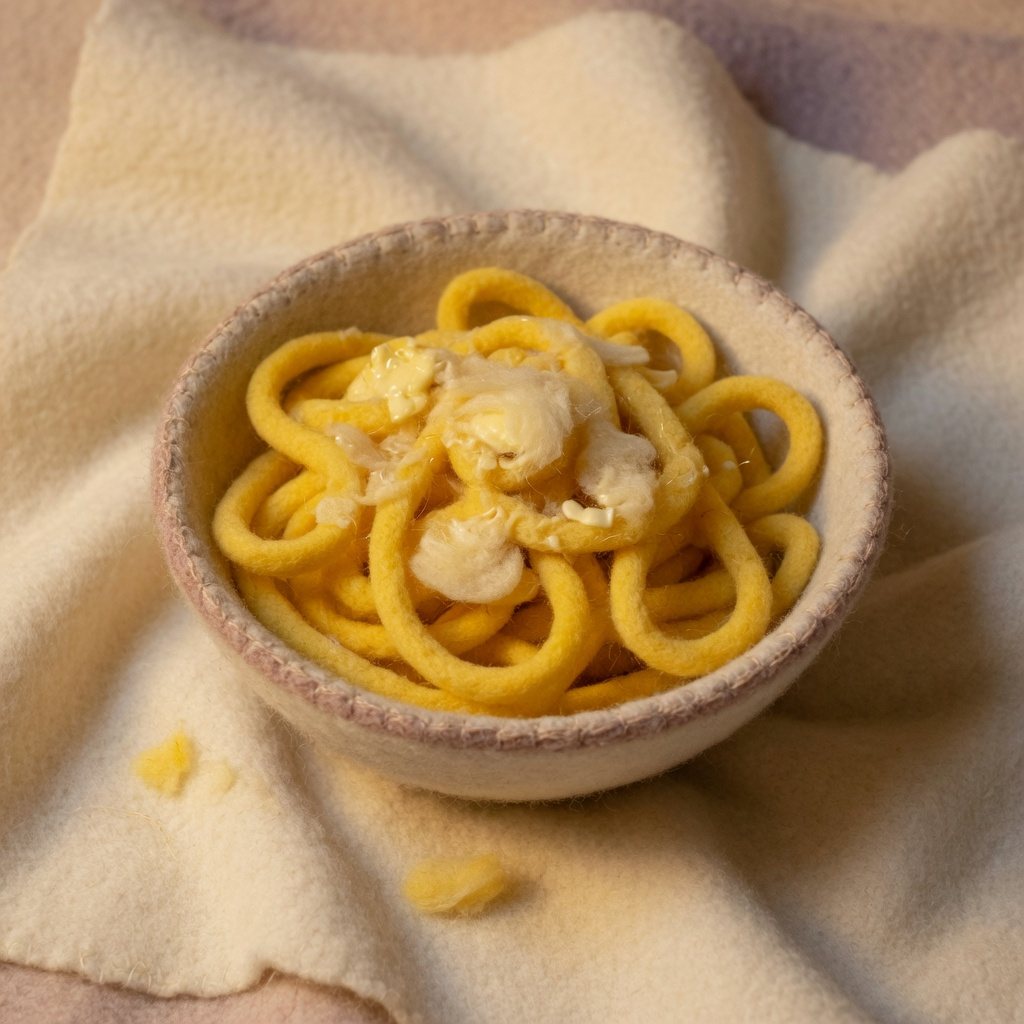
Pasta with butter and cheese is very old in Italy. Italian families still make plain buttered pasta for children or for anyone feeling unwell.
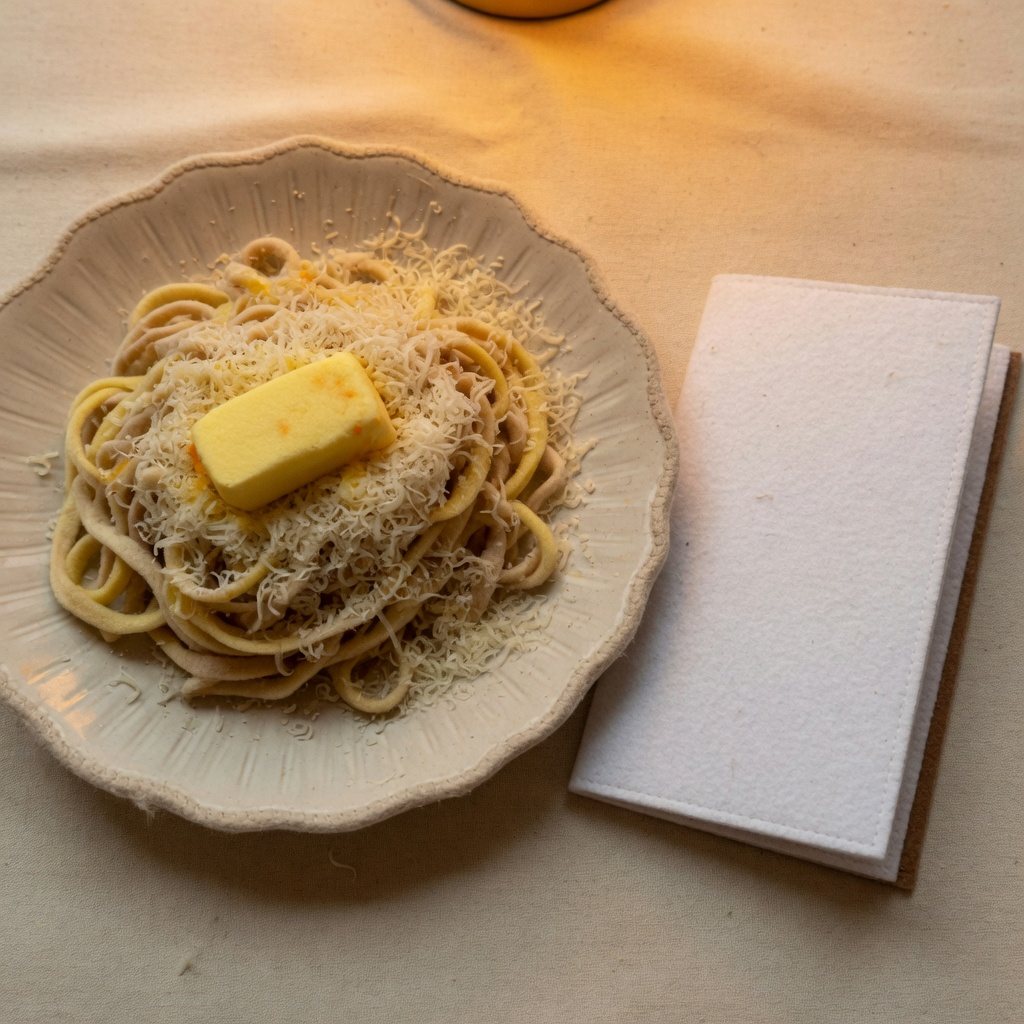
Alfredo Di Lelio was a cook in Rome. His family tells this story. After his wife Ines had their first baby, she was very tired and did not feel like eating. So Alfredo made her a bowl of fresh fettuccine, a flat ribbon pasta, with extra butter and lots of Parmesan cheese. She loved it and told him to put it on the menu. His family's restaurant dates that first plate to 1908. Many other histories say around 1914, the year Alfredo opened his own restaurant. Either way, it is a family story, not a written record.
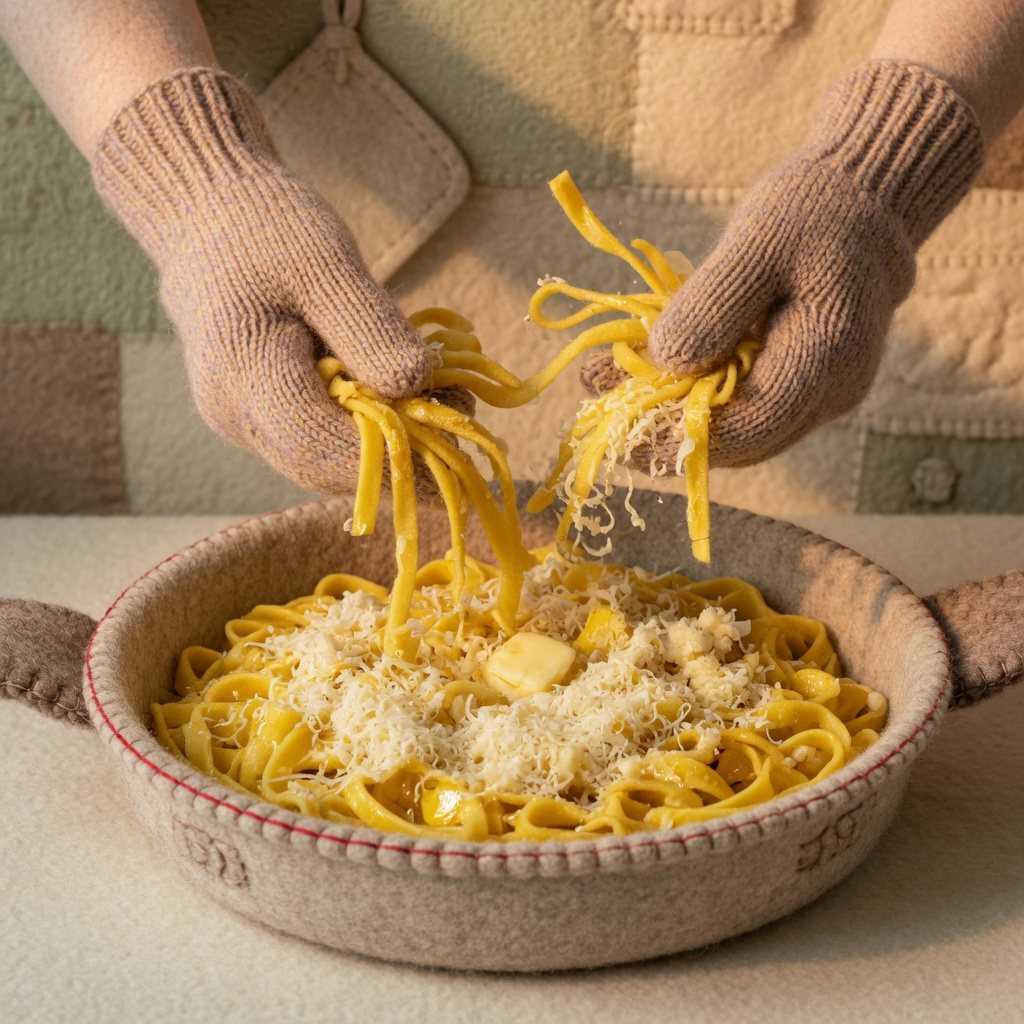
The dish used only fresh egg pasta, butter, finely grated Parmesan and a little of the hot water the pasta cooked in. Alfredo tossed it fast at the table. The butter, cheese and starchy water mixed into a smooth, shiny sauce. Cooks call this an emulsion, when fat and water blend together. Alfredo turned the tossing into a little show for his guests.
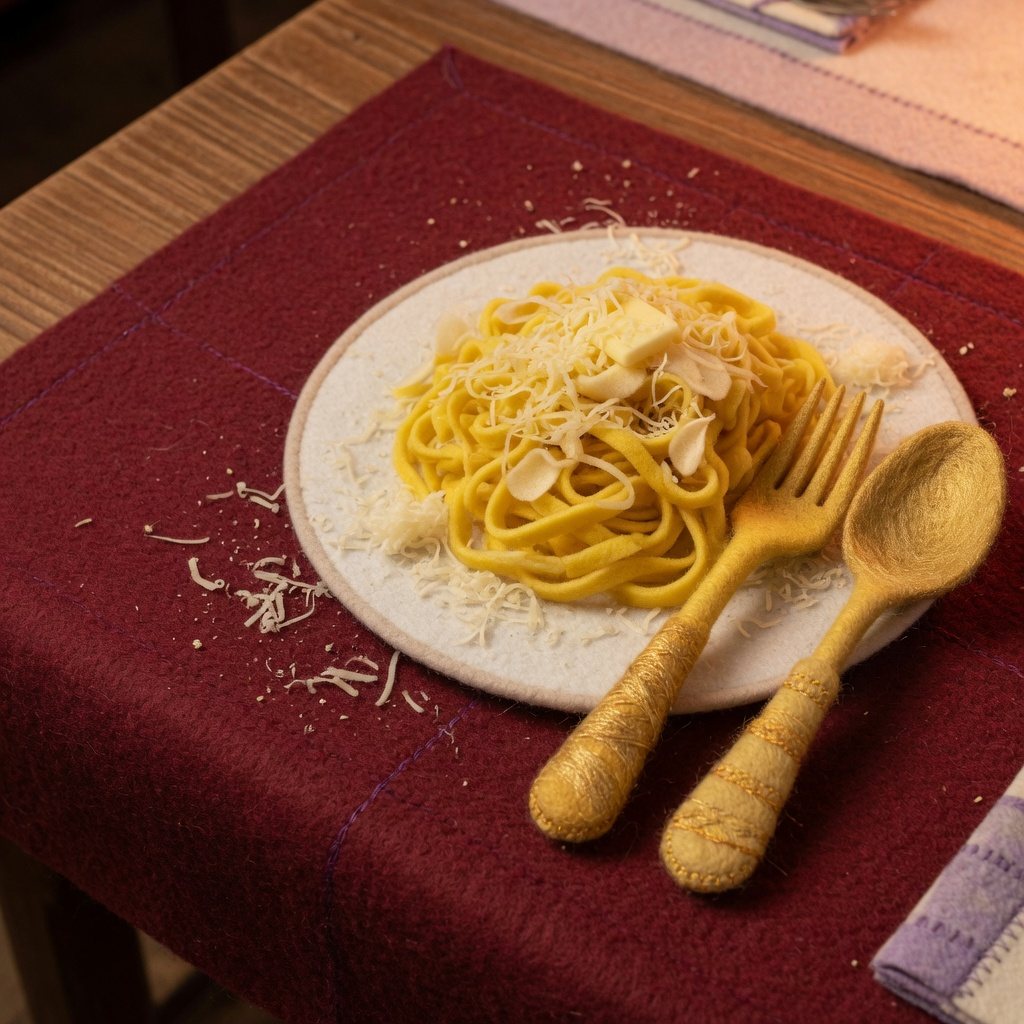
In 1920 two huge Hollywood film stars, Mary Pickford and Douglas Fairbanks, got married. On their honeymoon in Europe they ate at Alfredo's and loved the pasta. The story goes that they gave him a golden fork and spoon and called him the King of Noodles. Back home, they shared the dish with friends, and American writers praised it.
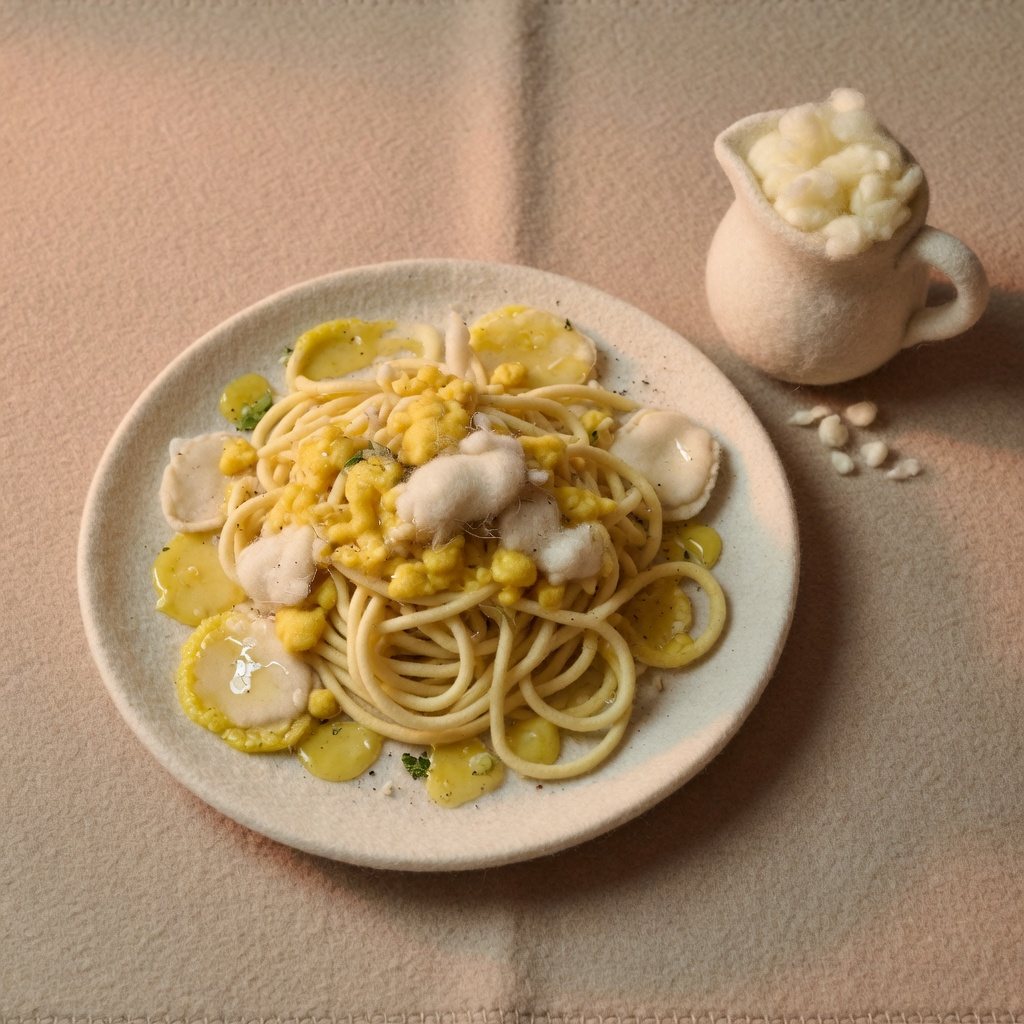
Making it in America was tricky. The butter and cheese were different, and many cooks did not know the tossing trick, so the sauce often split. Cream made it easier, because it thickened the sauce and held it together. Over many years, cream became the main ingredient in American Alfredo. Nobody knows exactly when that happened.
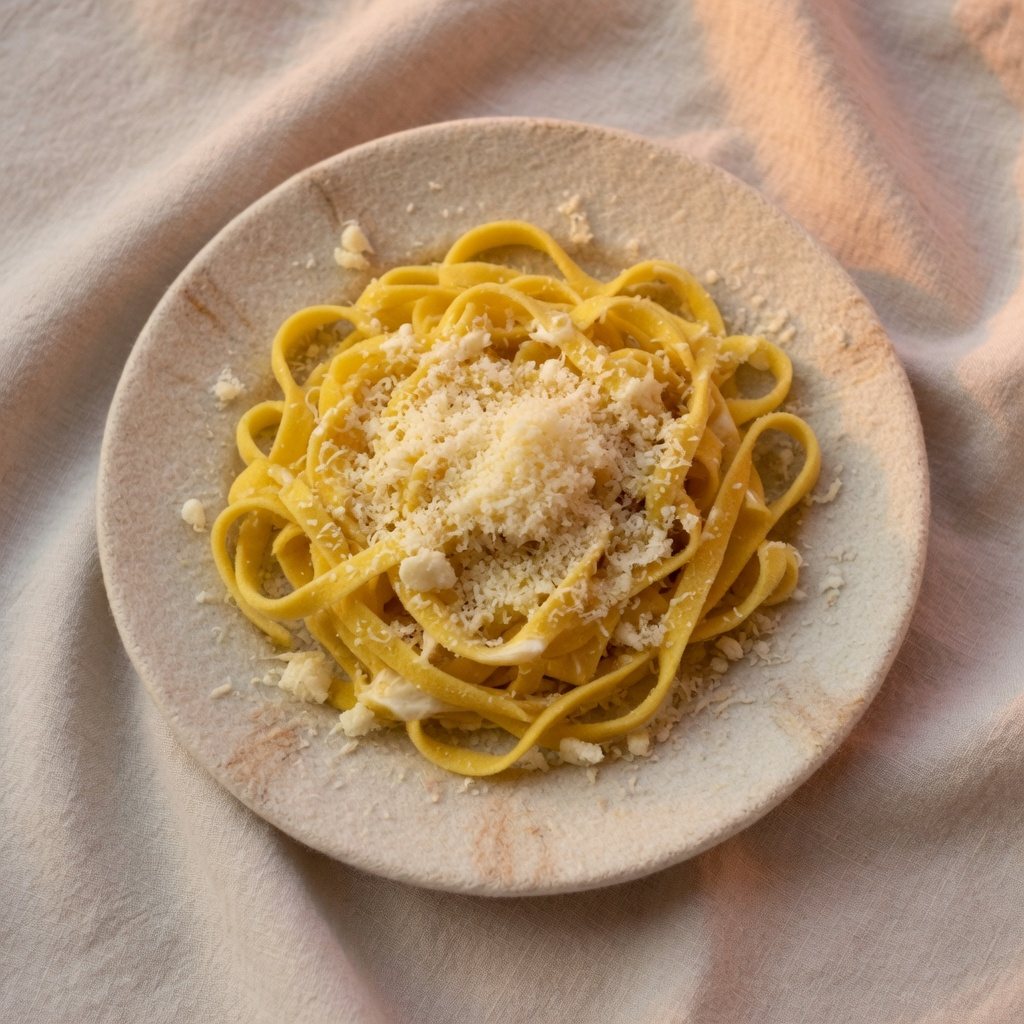
In Rome, the dish is still made the old way, with butter and cheese. No cream required.
Want to know more?The full history, step by step
The story you've heard
Order fettuccine Alfredo in many restaurants in North America or Britain and you will get ribbons of pasta in a heavy, white cream sauce, sometimes with chicken, garlic or broccoli. It is easy to assume this is an old Italian classic, faithfully exported.
In fact, the dish began as something much simpler. There was no cream in it at all. The silky texture came from technique, a lot of butter and a showman's flourish at the table.
What really happened
Pasta with butter and cheese is nothing new in Italy. A Roman version was recorded by the fifteenth-century cook Martino da Como, and Italian families still make pasta in bianco, plain buttered pasta, for children or anyone feeling unwell.
Alfredo Di Lelio was a Roman cook from a restaurant family. According to the family's own story, his wife Ines was exhausted and struggling to eat after the birth of their first son, so Alfredo made her a bowl of fresh fettuccine with extra butter and plenty of Parmesan. She loved it and suggested he put it on the menu. The restaurant that still bears his name dates that first plate to 1908, at the family's small restaurant in Piazza Rosa. Other accounts, including many popular histories, place it around 1914, the year he opened his own restaurant on Via della Scrofa. Either way, this is a family story rather than a documented event, and it is told with real affection.
The dish was sometimes called fettuccine al triplo burro, triple butter, because Alfredo is said to have doubled the butter already in the bowl before the pasta went in. The ingredients were just fresh egg fettuccine, butter, finely grated Parmesan and a little of the pasta's own cooking water. Tossed hard and fast, the butter and cheese melt and emulsify with the starchy water into a smooth, glossy coating.
Hollywood at the table
Alfredo was a performer as much as a cook. Later in his career he served the pasta with golden cutlery, turning a simple plate of noodles into a little piece of theatre that guests remembered long after they left Rome. He mixed the pasta at the table in front of his guests, and his restaurant walls filled with photographs of famous visitors.
The most famous were Mary Pickford and Douglas Fairbanks, the biggest film stars of their day, who married in 1920 and ate at Alfredo's while honeymooning in Europe. Most accounts date the visit to that trip, though at least one later recollection puts it in 1927. Pickford and Fairbanks loved the dish so much that they asked Alfredo for the recipe. They are said to have given him a golden fork and spoon engraved to Alfredo, the King of Noodles, and to have served the dish to friends back in Hollywood. American writers praised it from the 1920s onwards.
Where the cream came from
Recreating the dish in America was harder than it looked. The butter and cheese available were different, and many cooks did not know the tossing technique, so the sauce tended to split or clump. Cream made it easier: it thickened the sauce and held it together without the tableside performance. Over the following decades, American restaurants and packaged sauces made cream the defining ingredient, often adding chicken or garlic too.
Early American mentions describe something much closer to the original. A New York Times listing from 1957, for example, describes fettuccine Alfredo served with lots of butter and grated Parmesan. Nobody has pinned down exactly when cream took over, which is typical of dishes that change gradually in thousands of kitchens.
On your plate today
In Rome, the dish is still served the old way. Alfredo's family business continues in Piazza Augusto Imperatore, where it reopened in 1950 and is now run by his descendants, and other restaurants also claim the tradition. Elsewhere in Italy, most people would simply call it fettuccine al burro and not think of it as anything special.
If you want to try the original at home, you need only three ingredients and a bit of nerve: hot fresh pasta, soft butter and good Parmesan, plus a splash of cooking water and plenty of tossing. No cream required.
Timeline
- 1400sMartino da Como records a Roman dish of pasta with butter and cheese.
- 1908Alfredo Di Lelio's restaurant dates the first plate for his wife Ines to this year.
- 1914Alfredo opens his restaurant on Via della Scrofa in Rome.
- 1920Mary Pickford and Douglas Fairbanks marry and honeymoon in Europe, later spreading the dish's fame.
- 1943Alfredo sells the Via della Scrofa restaurant during wartime rationing.
- 1950Alfredo and his son Armando reopen in Piazza Augusto Imperatore.
Sources
- History · Il Vero Alfredo, Rome
- Fettuccine Alfredo · Wikipedia
- Fettuccine Alfredo · Barry Popik, The Big Apple
- Fettuccine Alfredo Was Introduced To The US Thanks To One Old Hollywood Couple · Food Republic
Spotted something we got wrong? Message us on any of our channels and we'll check it.
Woolly facts
The original fettuccine Alfredo from Rome had no cream, only fresh pasta, butter, Parmesan cheese and a splash of pasta water.
According to family legend, Alfredo Di Lelio first made fettuccine Alfredo for his wife Ines after she had their first baby.
Film stars Mary Pickford and Douglas Fairbanks ate fettuccine Alfredo in Rome on their honeymoon and helped make it famous in America.
Mary Pickford and Douglas Fairbanks are said to have given chef Alfredo Di Lelio a golden fork and spoon, calling him the King of Noodles.
Fettuccine Alfredo was sometimes called triple butter pasta, because Alfredo Di Lelio added extra butter to the bowl before the pasta went in.
A Roman dish of pasta with butter and cheese was written down by the cook Martino da Como in the 1400s.
In 1927 Rome chef Alfredo Di Lelio was knighted, and his menus called him the Knight of the Spaghetti.
Outside Rome, most Italians would call fettuccine Alfredo simply fettuccine al burro, which means fettuccine with butter.