
The croissant started in Austria.
The croissant's crescent shape comes from the kipferl, a roll from Austria. An Austrian named August Zang made it popular in Paris around 1838. The flaky, buttery croissant we eat today was developed later, in France.
The crescent shape comes from the Austrian kipferl, brought to Paris by August Zang around 1838; the flaky, laminated croissant was developed later in France.
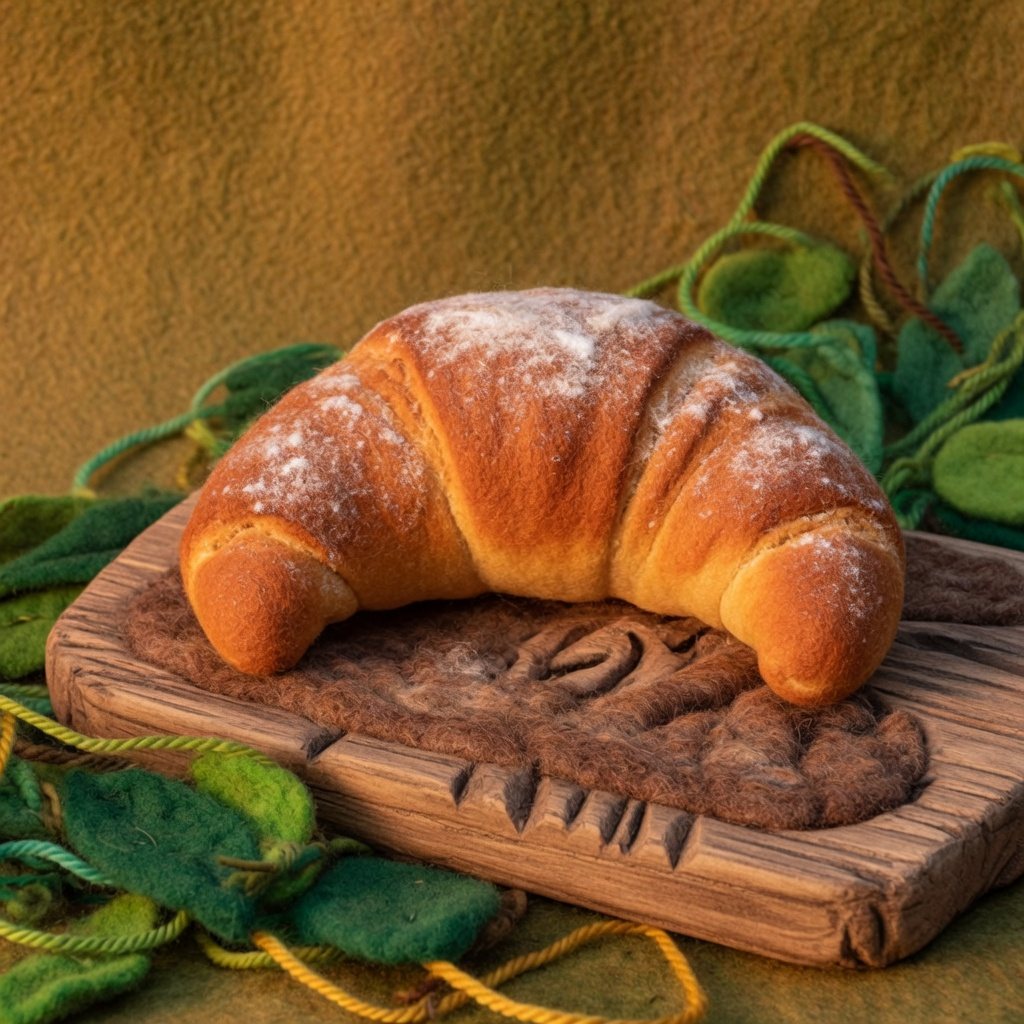
In Austria, bakers have made a crescent-shaped roll called the kipferl for a very long time. A crescent is the curved shape of a thin moon. Records of the kipferl go back to at least the 1200s. It was usually a bread roll or a rich dough, not a flaky pastry.
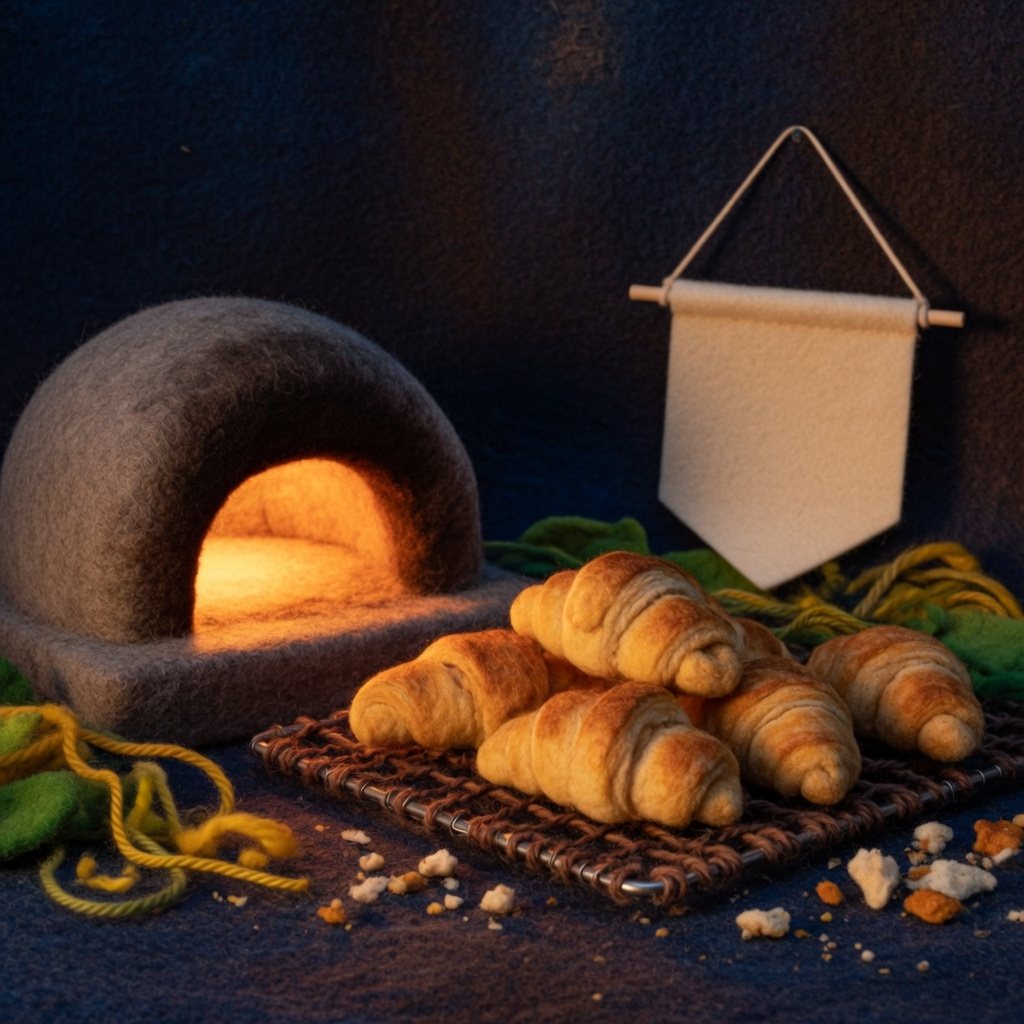
A famous legend says the croissant was invented in 1683, when an Ottoman army surrounded Vienna. In the tale, bakers working at night heard the enemy digging tunnels and raised the alarm. They then baked crescents to copy the shape on the enemy flag. But there are no records of this from the time. The story was added much later.
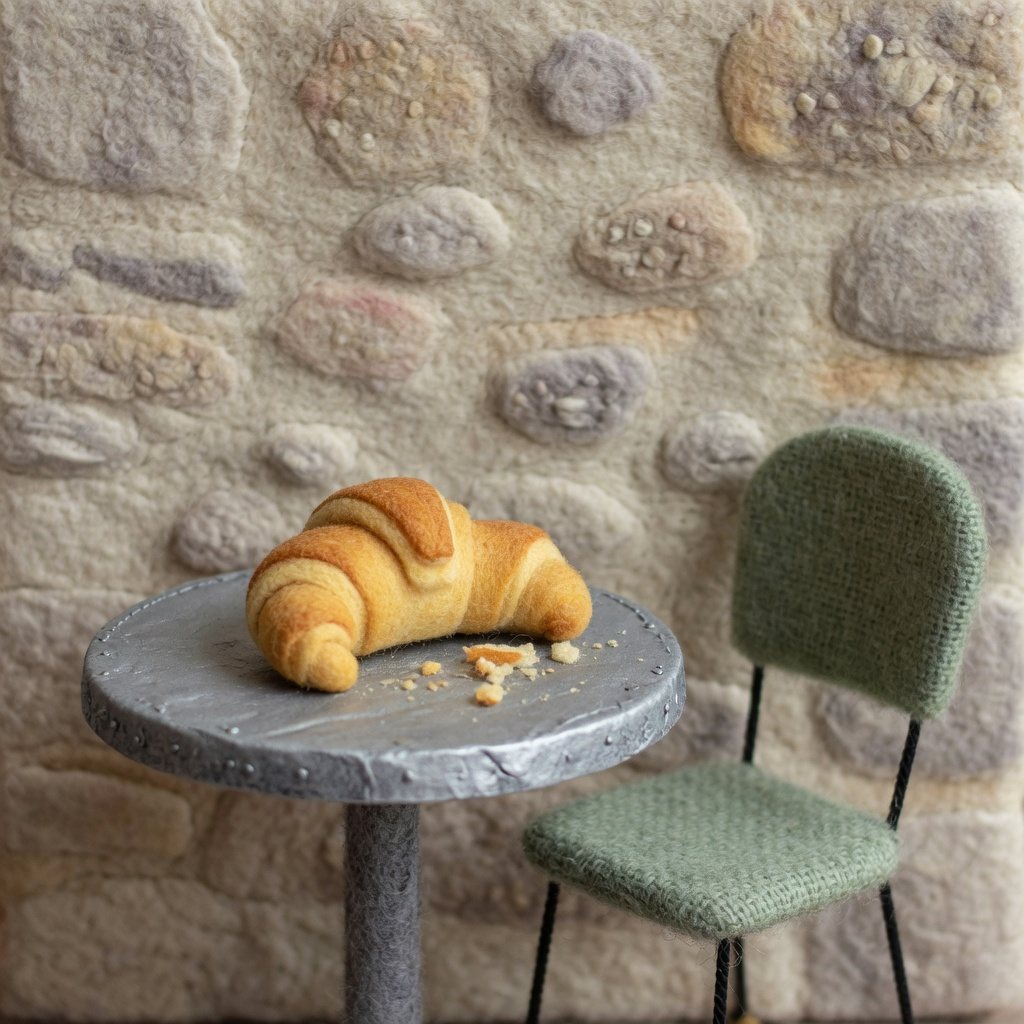
Another story says Queen Marie Antoinette, who was born in Vienna, brought the kipferl to France. That is not true either. The first records of croissants in Paris come at least 40 years after her death in 1793.
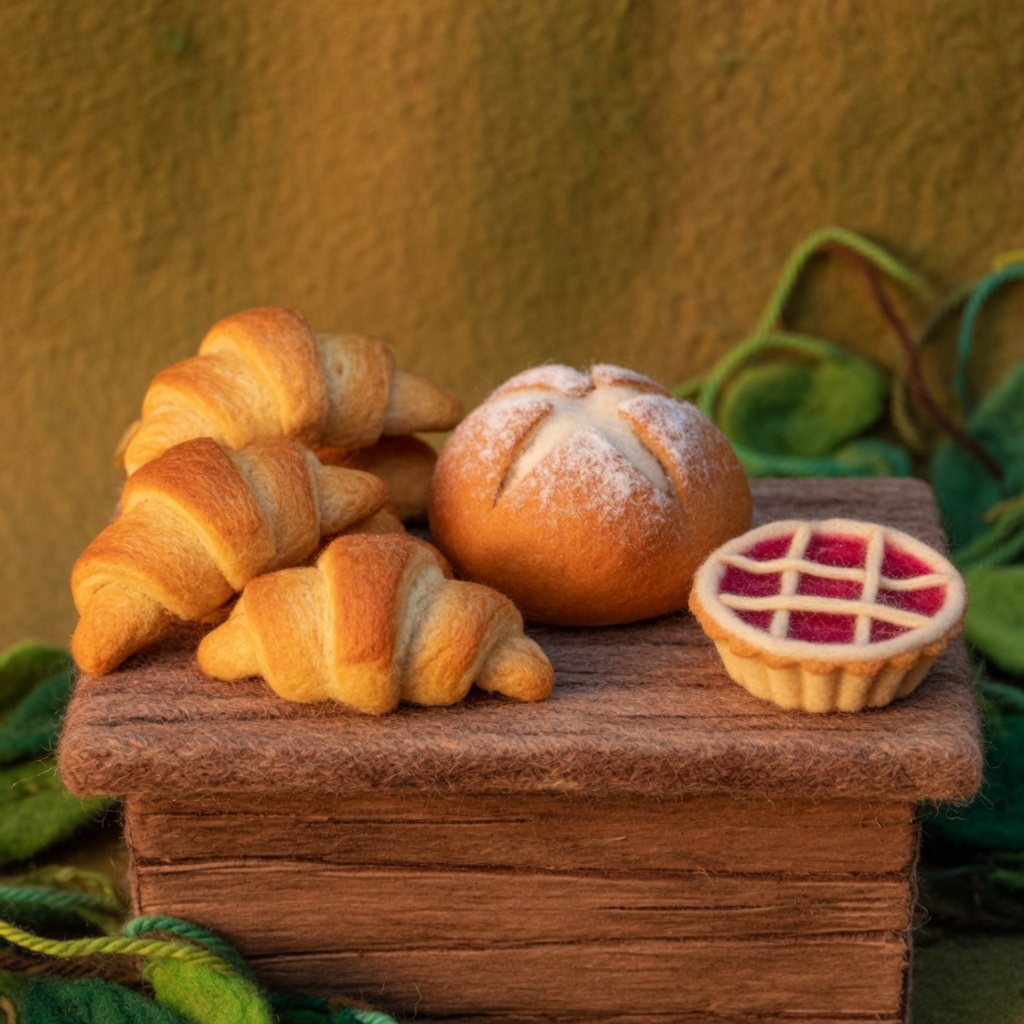
The real link is August Zang, an Austrian soldier who became a businessman. In 1838 or 1839, he opened a Viennese bakery in Paris. It sold kipferl and other treats from Vienna. Zang was good at advertising, and Parisians loved his shop. Soon other bakers copied him. They called the crescent by a French name, croissant.

By the 1850s the croissant was a normal French bread. But it was still not the flaky one we know. That needed lamination. Lamination means folding butter into dough again and again to make hundreds of thin layers.
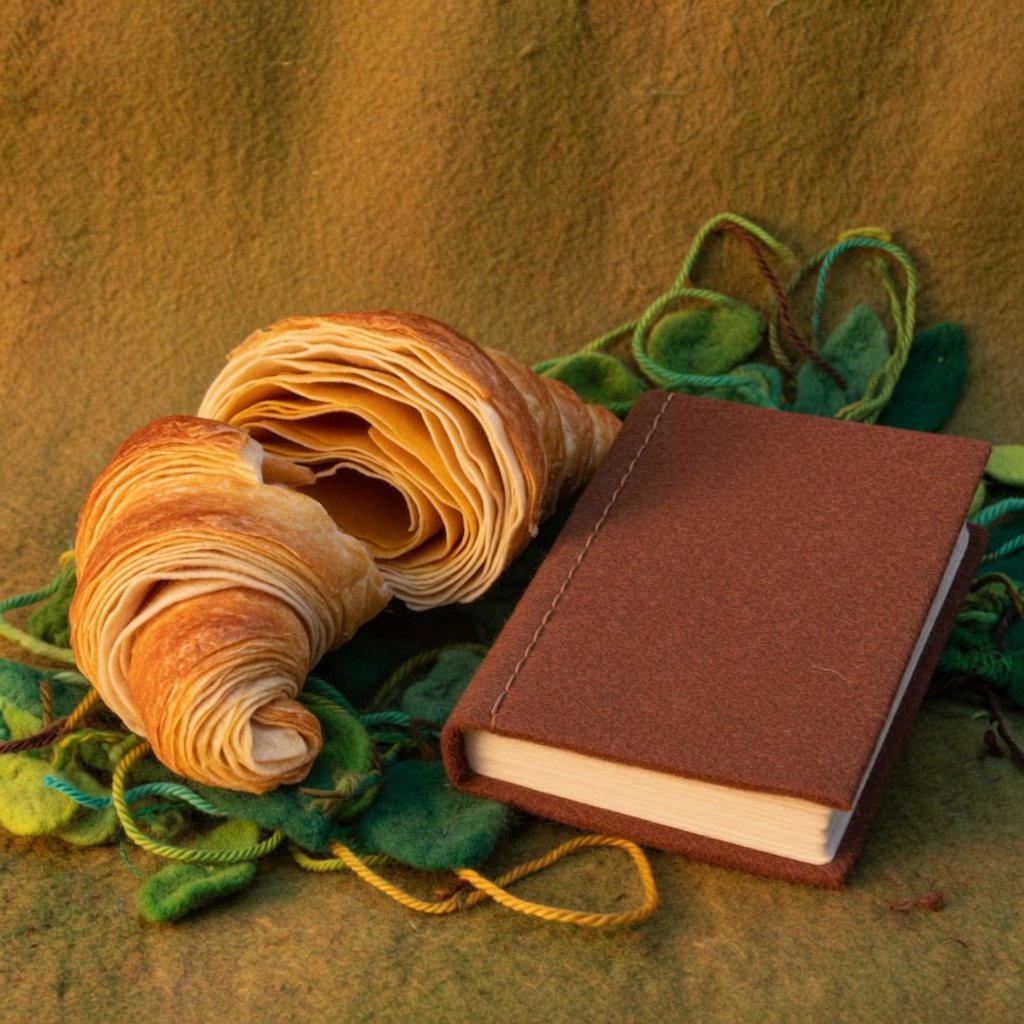
French cookbooks described a croissant close to the modern one around 1905. In 1915 a baker, Sylvain Claudius Goy, published a recipe for layered croissant dough. So the shape came from Austria, but the flaky layers are French.
Want to know more?The full history, step by step
The story you've heard
Few foods feel more French than a croissant with a café crème. So it is a surprise to learn that its shape, and its first fame in Paris, came from Vienna.
Along the way the croissant has collected some colourful legends, about sieges, secret tunnels and a homesick queen. Most of those do not survive a close look. The true story is quieter, and better documented.
The kipferl
In Austria, a crescent-shaped roll called the kipferl appears in records at least as far back as the thirteenth century. It came in different shapes and sizes, and was often a bread roll or a rich yeast dough rather than a flaky pastry. Austrians still bake kipferl today, sometimes flavoured with vanilla or topped with almonds.
So the crescent was well established long before the most famous croissant legend. That tale says Viennese bakers, working at night during the Ottoman siege of 1683, heard enemy tunnelling, raised the alarm, and celebrated victory with a pastry shaped like the crescent on the Ottoman flag. There are no contemporary sources for it, and some early tellings even placed it at a different siege, in Buda. It is a story that was attached to the pastry long afterwards.
Not Marie Antoinette, but August Zang
Another favourite story credits Marie Antoinette, who was born in Vienna and married the future Louis XVI in 1770, with bringing the kipferl to France. It is a myth. She was executed in 1793, and the first records of the croissant in Paris come at least forty years after her death.
The real link is a man named August Zang. Born in 1807, he was an Austrian artillery officer turned entrepreneur. In 1838 or 1839, depending on the source, he opened the Boulangerie Viennoise at 92 rue de Richelieu in Paris, reportedly with a partner, Ernest Schwartzer. It sold Viennese specialities, including the kipferl and Vienna bread, and Zang was a clever marketer, using newspaper advertisements and eye-catching window displays.
Parisians loved it. Within a few years a dozen or so imitators were selling Viennese-style baking, and the French began calling the crescent by their own word, croissant. This is the origin of viennoiserie, the French name for the whole family of rich, yeasted breakfast pastries. Zang himself went back to Austria in 1848. The food historian Jim Chevallier pieced much of this together in a 2009 book on Zang.
When it became French
The croissant sold in Zang's era was not quite the one in your bakery bag. By 1850 it was described as an established French bread, and in 1853 it was listed among luxury and fancy breads. By 1869 it was a breakfast staple.
The light, shattering layers came later. They depend on lamination: folding butter into a yeast dough again and again to build hundreds of thin layers. Recipes for something like the modern croissant appear in French cookery books in the early twentieth century, around 1905 and 1906, and the baker Sylvain Claudius Goy published a laminated yeast dough recipe in 1915. That flaky, buttery version is a French achievement.
On your plate today
So the croissant is a little like a well-travelled immigrant: Austrian by birth, Parisian by fame, and transformed by its new home. The crescent came from Vienna. The layers came from France. Both deserve a thank you at breakfast.
Timeline
- 1200sCrescent-shaped kipferl appear in Austrian records.
- 1683The Ottoman siege of Vienna, later wrapped in croissant legend.
- 1838 or 1839August Zang opens the Boulangerie Viennoise at 92 rue de Richelieu, Paris.
- 1850sThe croissant is recognised as an established French bread.
- c. 1905–1906French recipes describe a croissant close to the modern one.
- 1915Sylvain Claudius Goy publishes a laminated yeast dough croissant recipe.
Sources
- Croissant · Wikipedia
- Did Austria really invent France's iconic croissant? · The Local France
- The curious history of the croissant · Puratos
Spotted something we got wrong? Message us on any of our channels and we'll check it.
Woolly facts
The croissant's shape comes from the kipferl, an Austrian crescent roll recorded since at least the 1200s.
Croissant simply means crescent in French.
Marie Antoinette did not bring the croissant to France: the first Paris records come about 40 years after her death.
August Zang, an Austrian former soldier, opened a Viennese bakery in Paris in 1838 or 1839 and made the kipferl famous there.
The French word viennoiserie, for rich breakfast pastries like the croissant, means things from Vienna.
A croissant's flaky layers come from lamination: folding butter into dough again and again.
The story that the croissant was invented during the 1683 siege of Vienna has no evidence from the time.
French baker Sylvain Claudius Goy published a recipe for layered croissant dough in 1915.