The chocolate chip cookie was invented by accident.
Many people believe the chocolate chip cookie was a happy accident. That is not what its creator said. Ruth Wakefield, a trained cook, said she made it on purpose to give her guests something new.
Ruth Wakefield said she created the cookie deliberately; the happy-accident versions came later and do not match her own account.

Ruth Graves was born in Massachusetts in 1903. She studied household arts, which means cooking and running a home, and graduated in 1924. She then worked as a teacher, a hospital dietitian (an expert who plans healthy meals) and a food lecturer. She knew a lot about how ingredients behave.

In 1930 Ruth and her husband Kenneth bought an old house in Whitman, Massachusetts. They turned it into a restaurant called the Toll House Inn. It became very popular. In 1931 Ruth published her own cookbook, called Tried and True Recipes.
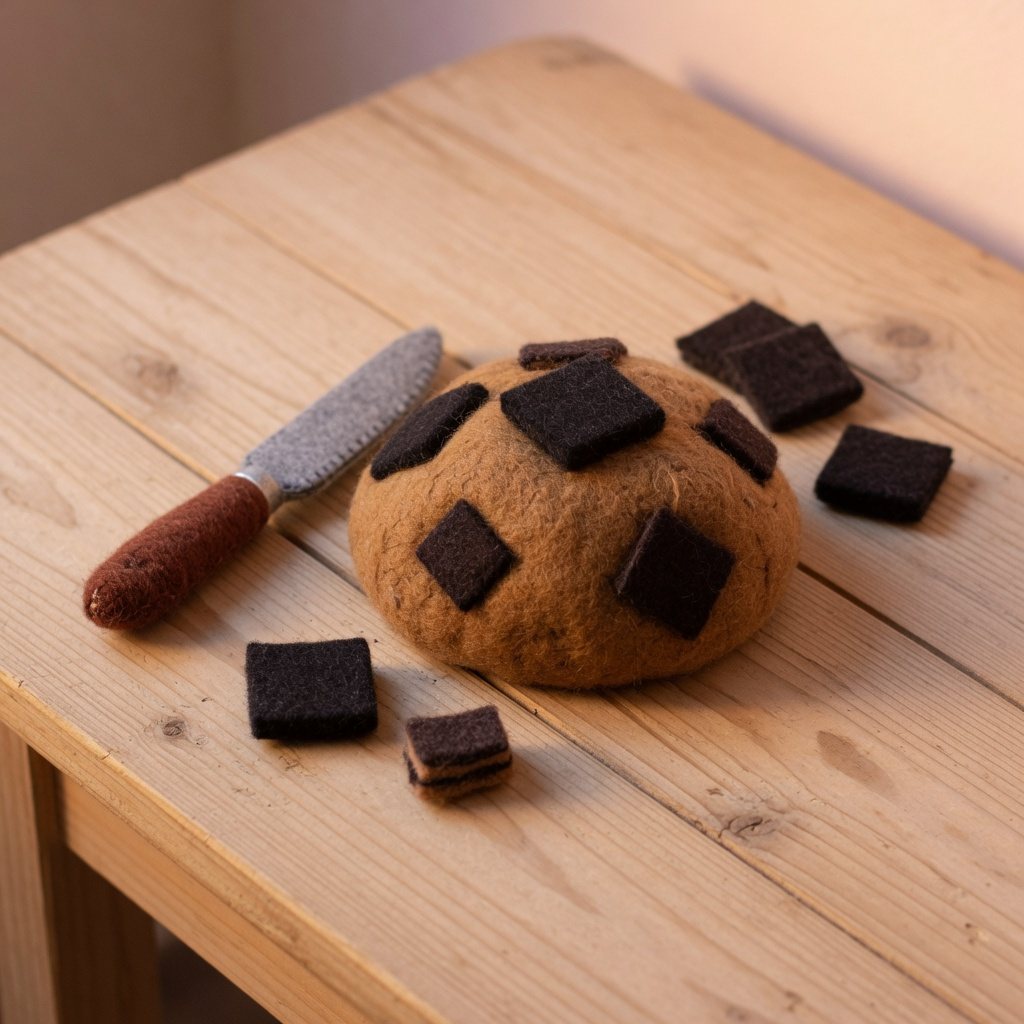
The inn already served a thin butterscotch cookie that guests loved with ice cream. Ruth wanted to give them something different. She chopped a bar of semi-sweet chocolate into small pieces and stirred them into a brown-sugar dough. In the oven the chocolate went soft but kept its shape. That was exactly the idea. The recipe was printed in the 1938 edition of her cookbook as the Toll House Chocolate Crunch Cookie.
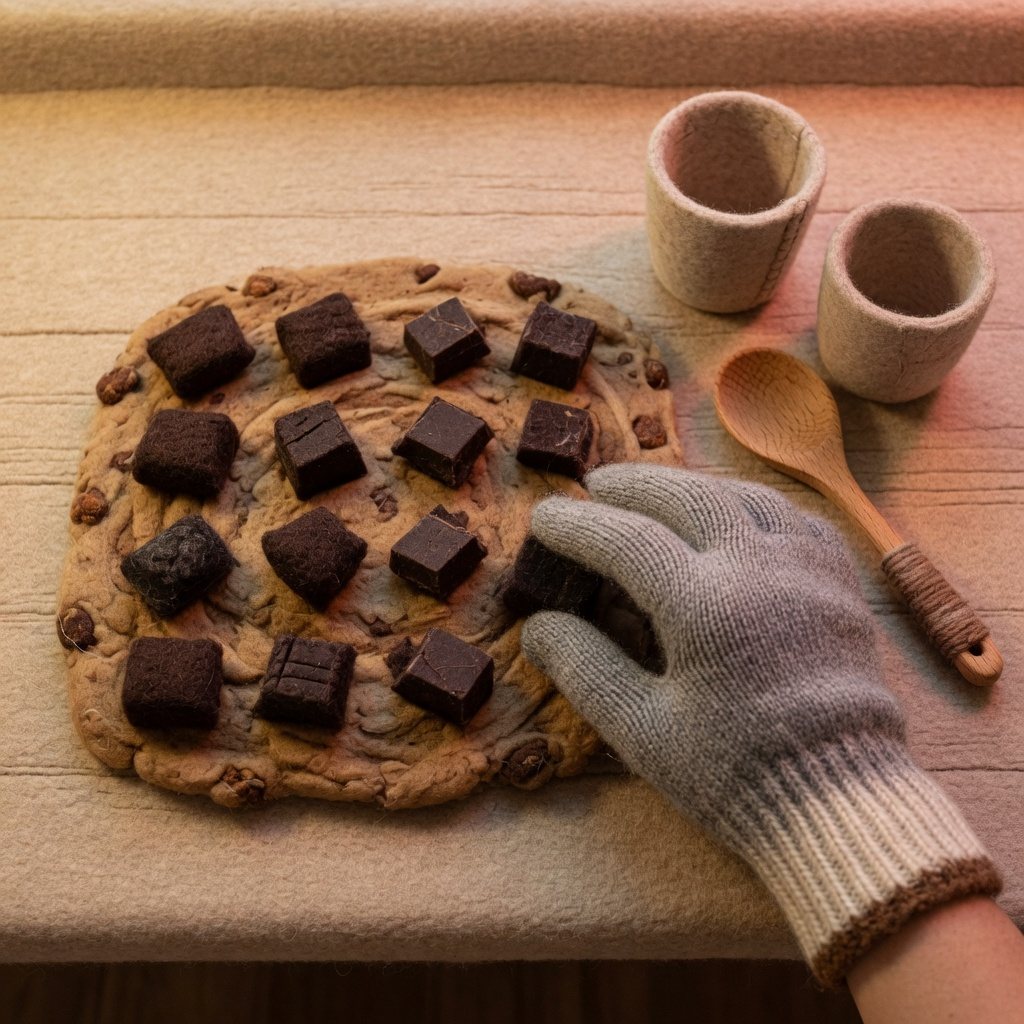
Later, other stories spread. In one, she ran out of nuts. In another, the chocolate fell into the mixer. In the most famous one, she hoped the chocolate would melt and was surprised when it did not. But Ruth herself said she worked the cookie out on purpose. Her kitchen was carefully run, so a lucky mistake seems unlikely. Some details are still unclear, such as exactly where the idea first came to her.
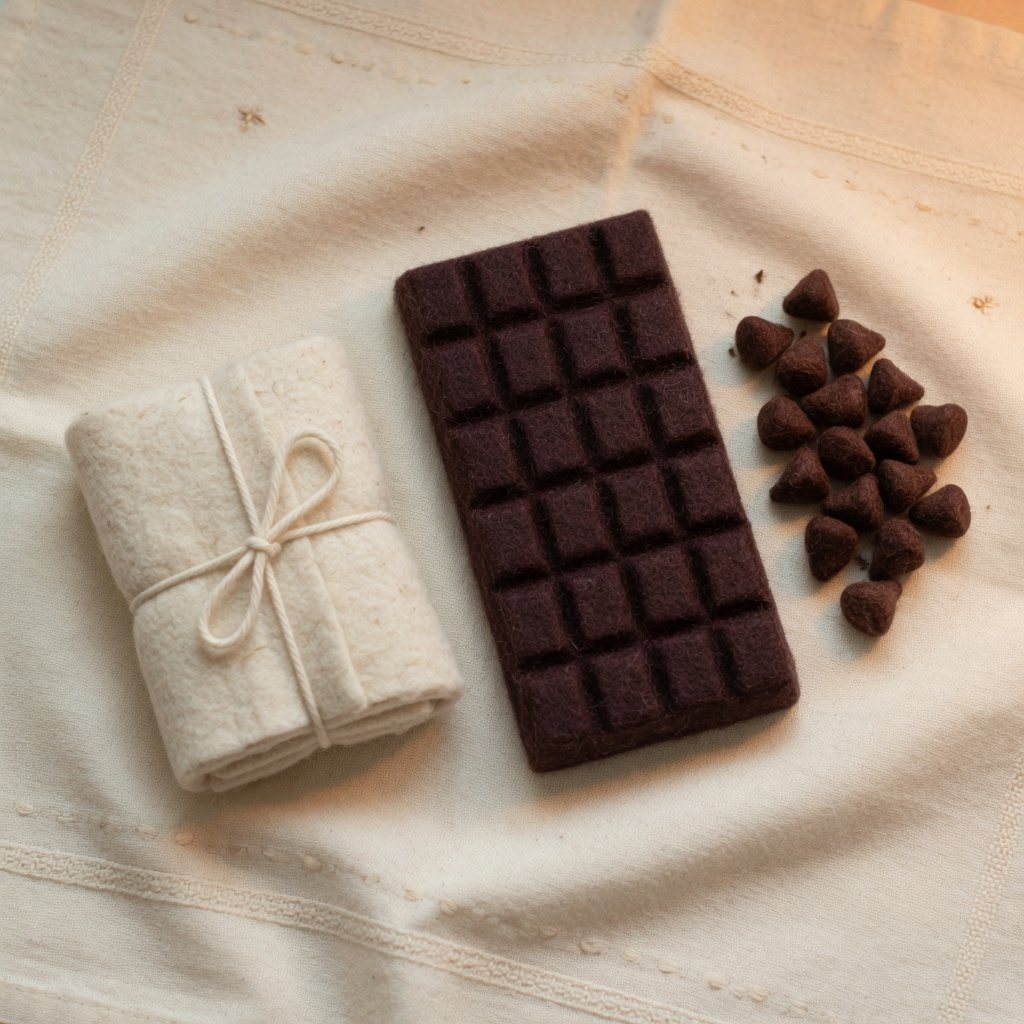
The cookie was a hit. Ruth made a deal with a chocolate company: it could print her recipe on its packets, and she would get free chocolate for life. Soon the company sold ready-made chocolate chips. During the Second World War, the cookies were sent to soldiers in parcels, and the recipe spread even further.
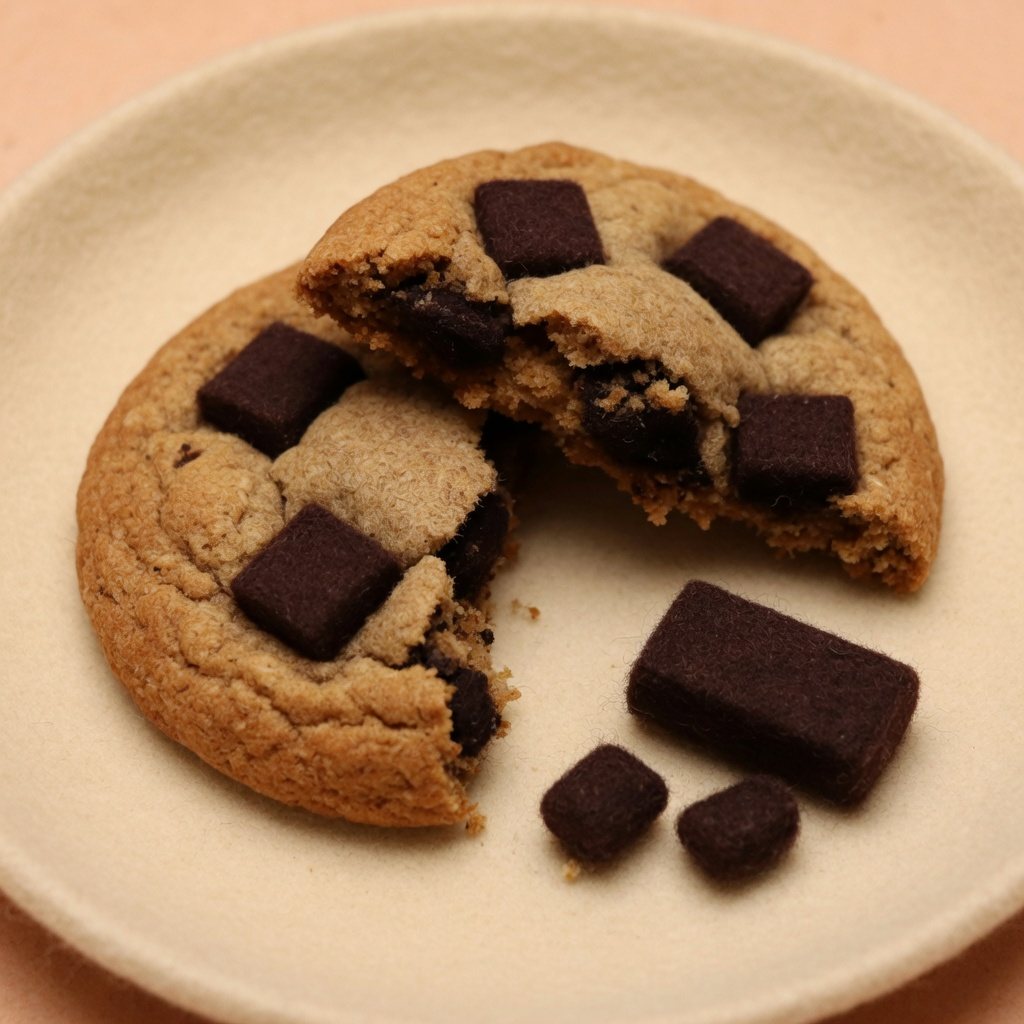
Today a recipe very close to Ruth's 1938 version is still printed on chocolate chip packets. The chunks were never a mistake. They were the whole point.
Want to know more?The full history, step by step
The story you've heard
The legend goes something like this. A busy innkeeper is baking a batch of cookies, runs out of an ingredient, and throws in chopped chocolate instead, hoping it will melt into the dough. It does not melt. Out of the oven comes a cookie studded with soft chunks, and a classic is born by luck.
There are several versions. In one she has run out of nuts. In another the chocolate falls into the mixer by mistake. In the most popular, she expects a chocolate cookie and gets a speckled one instead. It is a charming tale, and it has been printed on packaging and repeated in classrooms for decades. It just does not match what the woman herself said.
Who Ruth Wakefield really was
Ruth Graves was born in East Walpole, Massachusetts, in 1903. She trained in household arts at the Framingham State Normal School, graduating in 1924, and worked as a home economics teacher, a hospital dietitian and a food lecturer. In other words, she knew exactly how ingredients behave.
In 1930 she and her husband Kenneth bought a house on Bedford Street in Whitman, Massachusetts, and turned it into the Toll House Inn. It grew from seven tables to more than sixty, and by the late 1930s it was serving huge numbers of diners. She published her own cookbook in 1931, Tried and True Recipes, which went through many printings. This was not a kitchen where people dropped things into the batter and hoped for the best.
Her own cooking philosophy points the same way. She urged cooks to use ingenuity and to taste as they went, and she disliked serving the same dreary dishes week after week. The journalist Ernie Pyle claimed she could taste an unfamiliar dish and recreate it at home. A cook like that, running a busy restaurant with a large staff, experimented on purpose. Inventing something new for her dessert menu was part of the job.
What really happened
The inn already served a thin butterscotch cookie that guests liked with their ice cream. Wakefield later told a Boston reporter that she wanted to give them something different, and that she came up with the new cookie herself. She chopped up a bar of semi-sweet chocolate and stirred the pieces into a brown-sugar dough. The chocolate softened in the oven but held its shape, which is exactly what she wanted.
The recipe first appeared in the 1938 edition of her cookbook, under the name Toll House Chocolate Crunch Cookie. Food writer Carolyn Wyman, who has written a whole book on the cookie, describes a further detail: Wakefield linked the idea to a trip abroad, said to be to Egypt, and worked on it with a pastry cook, Sue Brides. That part rests on later recollection, so treat it as her story rather than a recorded fact.
The accident version seems to have spread through promotional retellings, which made a better tale than a trained cook simply doing her job. Some details of the origin are still argued over, including exactly how the idea came to her. But the idea that it was a fluke is the part that does not hold up.
From one inn to every kitchen
Customers loved the cookie, and local sales of semi-sweet chocolate bars jumped. Wakefield struck a deal with the chocolate maker: it could print her recipe on its packaging, and she would receive free chocolate for life. The company began scoring its bars to make chopping easier, and before long it was selling ready-made chips.
During the Second World War, cookies were packed into parcels for soldiers, and the recipe travelled further still. Wakefield retired in the 1960s and the inn was sold in 1967. The building burned down in 1984, and today only a historical marker shows where it stood.
Her recipe still appears on chocolate chip packaging today, very close to the version she wrote down in 1938. So the next time you bite into a warm one, give the credit to skill, not luck. The chunks were never a mistake. They were the whole point.
Timeline
- 1903Ruth Graves is born in East Walpole, Massachusetts.
- 1924She graduates in household arts from Framingham State Normal School.
- 1930Ruth and Kenneth Wakefield open the Toll House Inn in Whitman, Massachusetts.
- 1938The Toll House Chocolate Crunch Cookie appears in her cookbook.
- 1939She allows the chocolate company to print the recipe on its packages.
- 1967The Wakefields sell the Toll House Inn.
- 1977Ruth Wakefield dies on 10 January, aged 73.
Sources
- Missing in History: Cookie Queen Ruth Graves Wakefield · The Saturday Evening Post
- Ruth Wakefield and "America's Favorite Cookie" · The Henry Ford
- About Ruth Graves Wakefield · Framingham State University, Henry Whittemore Library
- Ruth Graves Wakefield · Wikipedia
Spotted something we got wrong? Message us on any of our channels and we'll check it.
Woolly facts
Ruth Wakefield, who created the chocolate chip cookie, was a trained home economics teacher and hospital dietitian before she ran a restaurant.
The chocolate chip cookie was first printed in 1938 under the name Toll House Chocolate Crunch Cookie.
Ruth Wakefield said she invented the chocolate chip cookie on purpose; the stories about running out of nuts or dropping chocolate in came later.
Ruth Wakefield let a chocolate company print her cookie recipe on its packets in exchange for free chocolate for life.
Chocolate makers began scoring their chocolate bars to make chopping easier after Ruth Wakefield's chocolate chip cookie became popular.
The Toll House Inn, birthplace of the chocolate chip cookie, burned down in 1984; only a historical marker shows where it stood.
The original Toll House chocolate chip cookies were small, much smaller than the giant cookies sold today.
Ruth Wakefield's collection of cookbooks is kept at Framingham State University in Massachusetts, where she studied.