
George Washington Carver invented peanut butter.
Many people believe George Washington Carver invented peanut butter. He did not: people were grinding peanuts into paste long before, and a Canadian patented peanut paste in 1884. Carver did something bigger. He helped Southern farmers grow peanuts to heal tired soil.
Peanut paste is centuries old and was patented in 1884; Carver's real achievement was turning the peanut into a crop that rescued Southern soil and farmers.
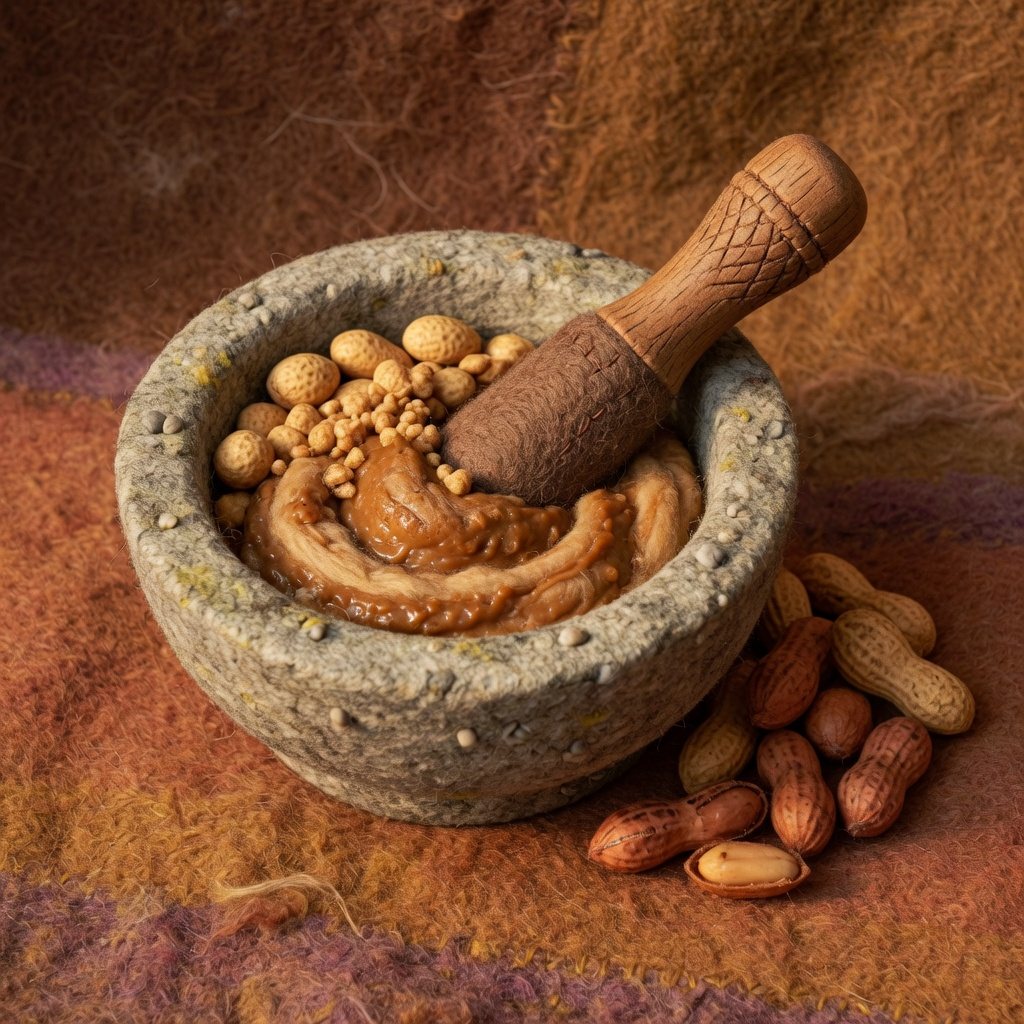
Peanuts first grew in South America. People there were grinding roasted peanuts into a paste hundreds of years ago. So the basic idea of peanut butter is very old.
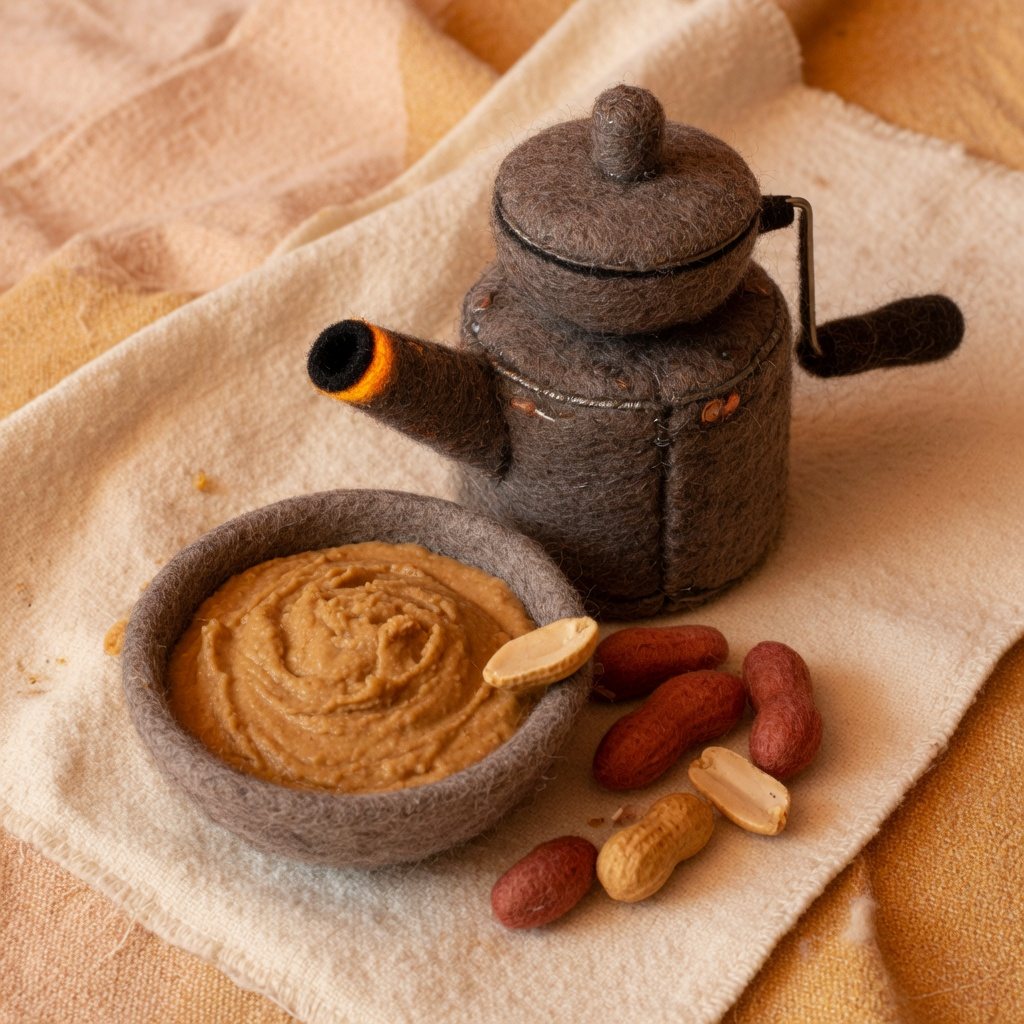
In 1884 a chemist in Montreal, Canada, named Marcellus Gilmore Edson got a patent for peanut paste. A patent is an official record that says you came up with an invention. He made the paste by grinding roasted peanuts between hot surfaces. In the 1890s, doctors in the United States began serving nut butters to patients. Some of these patients could hardly chew. One of these doctors was John Harvey Kellogg in Michigan.
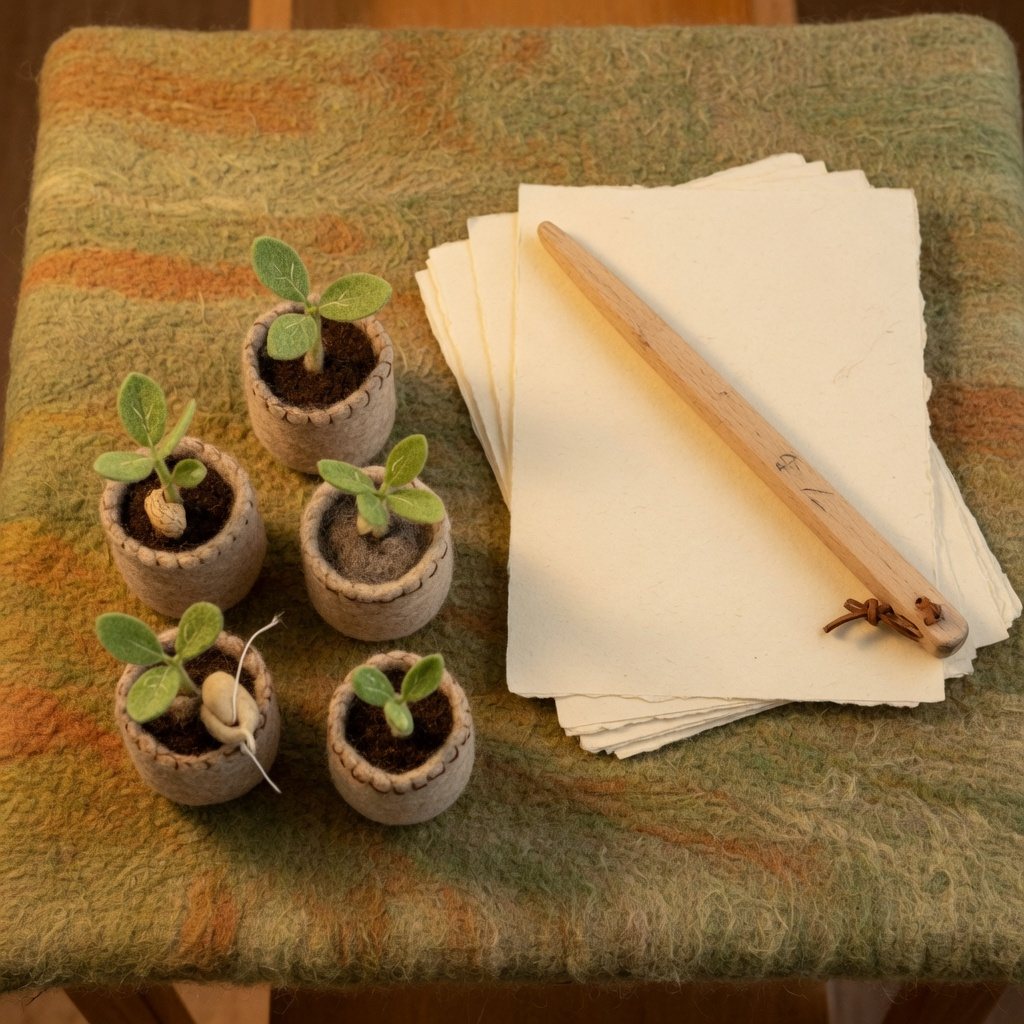
George Washington Carver was born into slavery in Missouri, probably in the 1860s. Nobody knows the exact year. He studied hard and earned two degrees in farming science at Iowa State. In 1896 he went to teach at the Tuskegee Institute in Alabama, and he stayed there all his life.
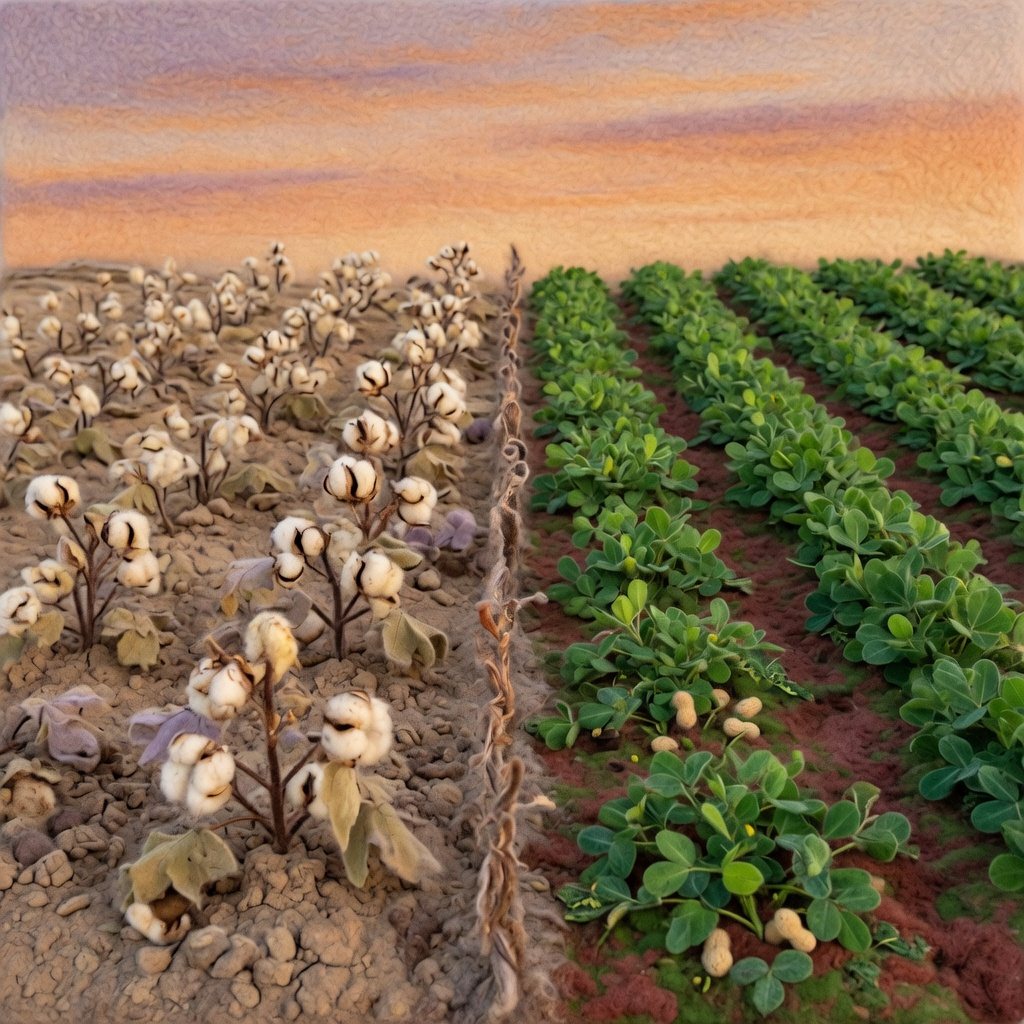
In Alabama, farmers had grown cotton on the same fields year after year. This wore out the soil. Carver taught crop rotation, which means growing different crops in turn. Peanuts and some other plants put nitrogen, a plant food, back into the ground. But farmers would only grow peanuts if they could use them. So Carver showed them how.

In 1916 he published a booklet with 105 ways to prepare peanuts as food. Over his life he was credited with more than 300 peanut products and uses, from milk to ink. In 1921 he spoke to the United States Congress about peanuts. After that, people called him the Peanut Man.
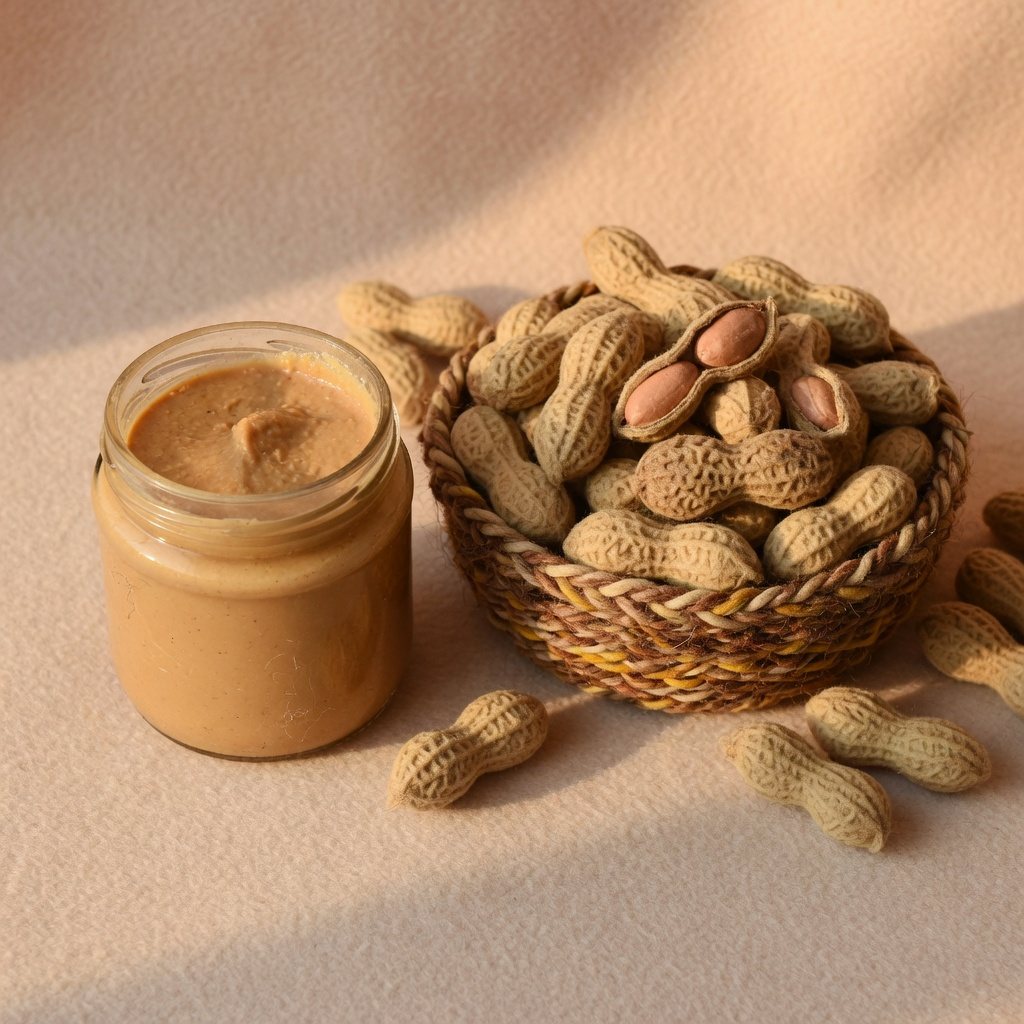
Smooth peanut butter that does not separate came in 1922, from Joseph Rosefield. By 1940 peanuts were one of the biggest crops in the United States. Carver did not invent the jar. He helped America plant the crop.
Want to know more?The full history, step by step
The story you've heard
It is one of the most repeated facts in American classrooms: George Washington Carver, the great Black scientist at Tuskegee, invented peanut butter. It appears on posters, in quizzes and on lunchbox trivia cards.
The intention behind it is good. Carver deserves to be remembered. But peanut butter was being made long before he started work on peanuts, and pinning the jar on him actually shrinks what he achieved. Both the National Peanut Board and science historians say the same thing plainly: he did not invent it.
Where peanut butter really came from
Peanuts come from South America, and people there were grinding roasted peanuts into a paste centuries ago. The Incas and the Aztecs are both credited with making peanut pastes long before anyone thought of a sandwich.
The first patent came from Canada. In 1884, Marcellus Gilmore Edson, a chemist in Montreal, patented a method of milling roasted peanuts between heated surfaces into a paste with the consistency of butter, lard or ointment. He imagined it being mixed with sugar to make sweets, and there is no evidence he sold it as a butter.
In the following decade, doctors took an interest. In St Louis, the physician Ambrose Straub is said to have made a high-protein peanut paste for patients who had lost their teeth, and a nut butter linked to his friend George Bayle was offered at the 1893 Chicago World's Fair. In Battle Creek, Michigan, John Harvey Kellogg patented a nut-butter process in the mid-1890s and promoted it to his health-sanatorium patients, including people who could hardly chew. Sources differ on whether Kellogg's patent was 1895 or 1896. In 1903 Straub patented a peanut-butter machine.
The smooth, shelf-stable spread most people know came later still. In 1922 Joseph Rosefield patented a process that stopped the oil separating, which made peanut butter a supermarket product.
What Carver actually did
George Washington Carver was born into slavery in Missouri, probably in the early-to-mid 1860s; even the exact year is uncertain. He was raised on the farm of Moses Carver, whose surname he took. He studied briefly at Simpson College, then at Iowa State Agricultural College, where he earned a bachelor's degree in 1894 and a master's in 1896.
That same year, Booker T. Washington recruited him to the Tuskegee Institute in Alabama, where he stayed for the rest of his life. He arrived in a region exhausted by cotton. Planting the same crop year after year had stripped the soil of nutrients, and poor farmers, many of them Black families working small plots, were trapped by falling yields.
Carver's answer was crop rotation. Peanuts, sweet potatoes and other legumes put nitrogen back into the soil, so alternating them with cotton could restore worn-out land without expensive fertiliser. But farmers would only grow peanuts if they could use or sell them, so Carver set out to show what the crop could do.
In 1916 Tuskegee published his bulletin How to Grow the Peanut and 105 Ways of Preparing It for Human Consumption, a practical guide that mixed growing advice with recipes. Over his career he is credited with more than 300 peanut products and uses, from milk and ink to cosmetics. In 1921 he spoke to a committee of the United States Congress on behalf of the peanut industry, and from then on he was known as the Peanut Man.
On your plate today
When Carver arrived at Tuskegee in 1896, the peanut was not even recognised as a major American crop. By 1940 it was one of the six leading crops in the United States and the second cash crop in the South after cotton. That change is his real legacy. He did it by working with some of the poorest farmers in Alabama, showing them that science could make their land and their lives better, and by refusing to treat the humble peanut as a crop only fit for animals.
So the next time you spread peanut butter on toast, thank the Andean cooks for the idea, Edson for the patent, and Carver for the fields the peanuts grew in.
Timeline
- Centuries agoCooks in South America grind roasted peanuts into paste.
- 1884Marcellus Gilmore Edson of Montreal patents a peanut paste.
- 1890sDoctors, including John Harvey Kellogg, promote nut butters as protein-rich food for patients.
- 1896George Washington Carver joins the Tuskegee Institute in Alabama.
- 1916Carver publishes How to Grow the Peanut and 105 Ways of Preparing It for Human Consumption.
- 1921Carver speaks before a Congressional committee and becomes known as the Peanut Man.
- 1922Joseph Rosefield patents a process that keeps peanut butter from separating.
Sources
- Who Invented Peanut Butter? · National Peanut Board
- Peanut butter history and George Washington Carver · McGill University Office for Science and Society
- George Washington Carver · Science History Institute
- Peanuts, Potatoes, Patents, and Plants: The Life and Times of George Washington Carver · Library of Congress (In Custodia Legis)
- How to grow the peanut, and 105 ways of preparing it for human consumption (catalogue record) · FAO AGRIS
Spotted something we got wrong? Message us on any of our channels and we'll check it.
Woolly facts
The first patent for peanut paste went to Marcellus Gilmore Edson, a chemist in Montreal, Canada, in 1884.
George Washington Carver did not invent peanut butter, but he published 105 ways to prepare peanuts as food in 1916.
George Washington Carver is credited with more than 300 peanut products and uses, including milk, ink and cosmetics.
In the 1890s, doctors such as John Harvey Kellogg served nut butters to patients who found it hard to chew.
George Washington Carver held only three patents, one of them a 1925 patent for a cosmetic cream made from peanuts.
In 1922 Joseph Rosefield patented a way to stop the oil in peanut butter separating, making it a supermarket favourite.
George Washington Carver became known as the Peanut Man after he spoke to a committee of the United States Congress in 1921.
By 1940, peanuts were the second biggest cash crop in the American South after cotton, thanks partly to George Washington Carver.