
Europe was scared of the potato.
When the potato first came to Europe from South America, many people did not trust it. Some thought it was only fit for pigs, or even that it caused illness. In France, a pharmacist named Antoine-Augustin Parmentier spent years changing people's minds.
Many Europeans distrusted the potato for two centuries, and in France Parmentier's campaign, including potato flowers at Versailles in 1786, helped win them round.
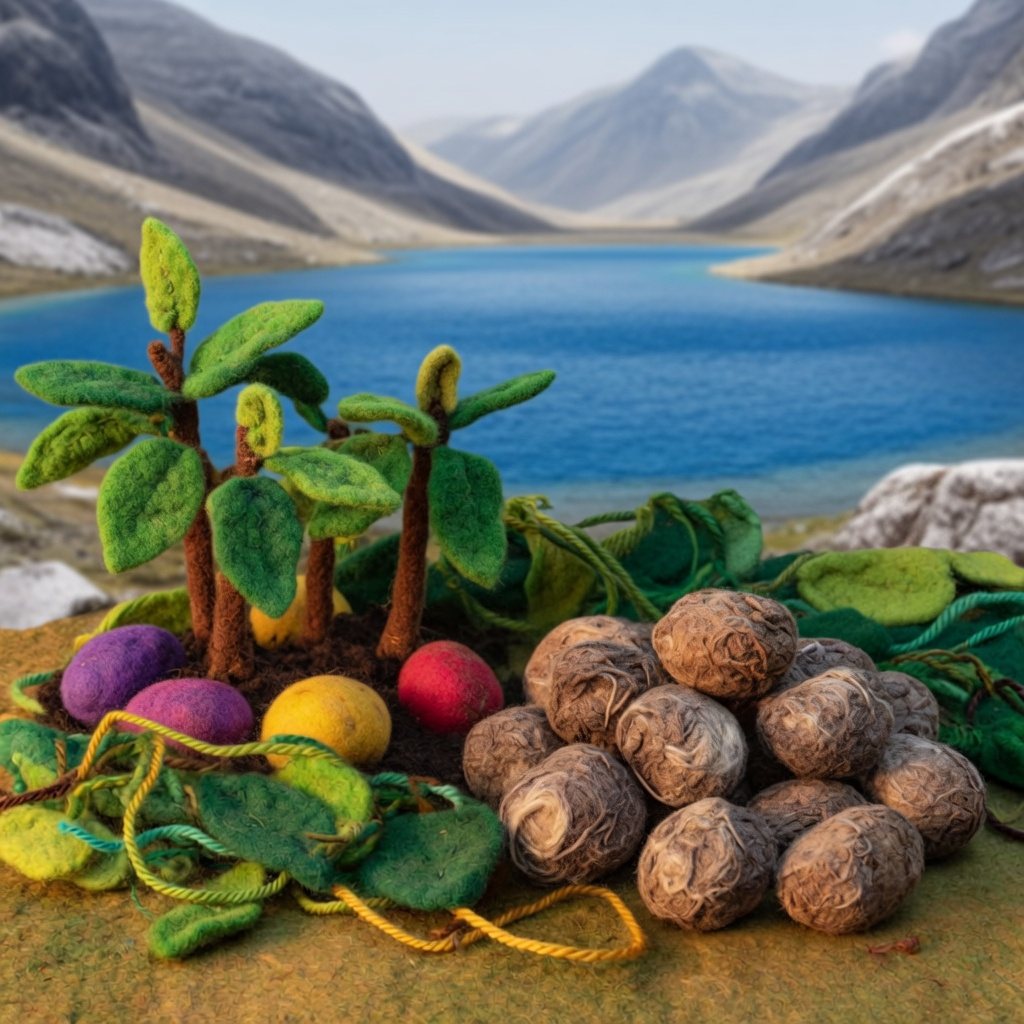
The potato comes from the Andes mountains in South America. Farmers near Lake Titicaca, between Peru and Bolivia, started growing it about 8,000 years ago. Later, the Inca people stored huge amounts of dried potatoes.
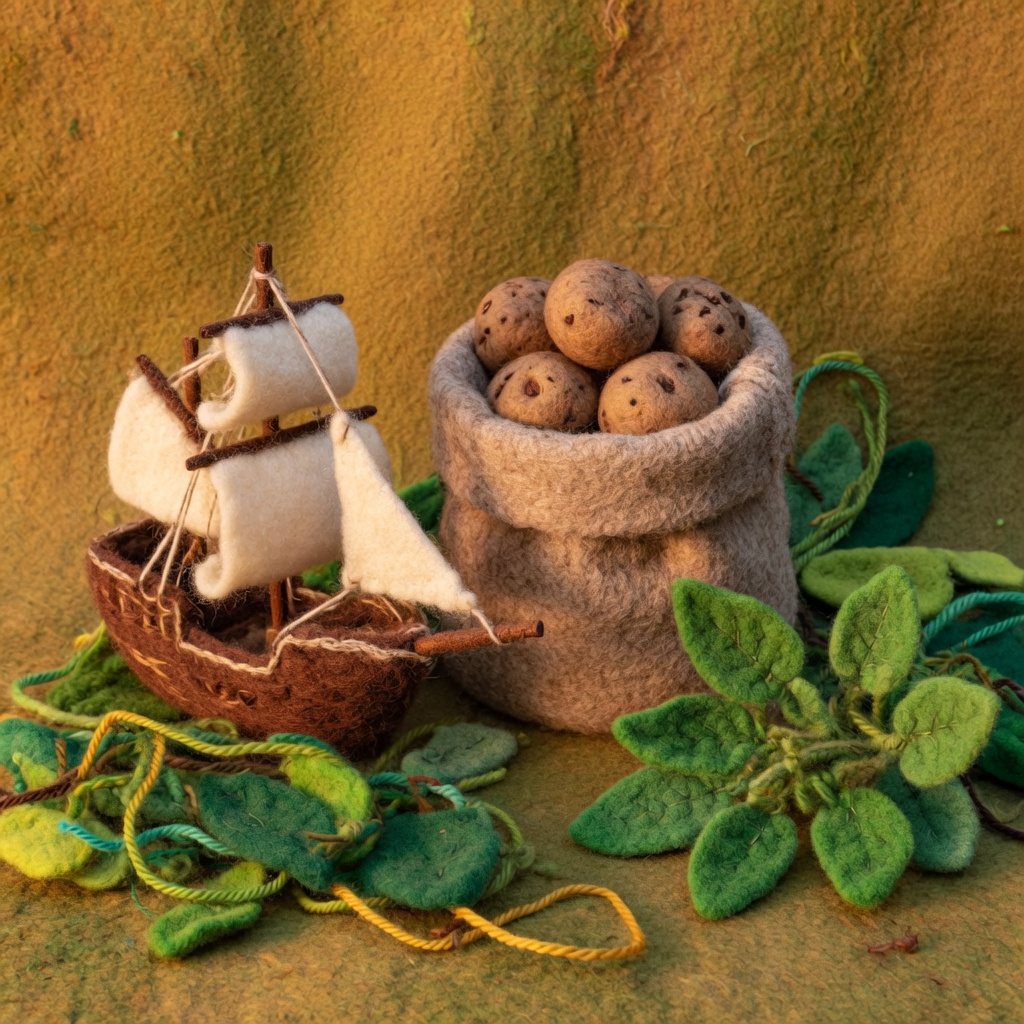
In the 1500s, Spanish sailors took the potato across the ocean to Europe. It was growing in the Canary Islands, which belong to Spain, by 1565. But many Europeans did not want to eat it. The potato is part of the nightshade family of plants. Its leaves and green parts really can make you sick. People also could not make good bread from it. Many thought it was food for animals. Some accounts say France even banned growing it for a while, over fears it caused leprosy, a skin disease.
Antoine-Augustin Parmentier was a French pharmacist, someone who makes medicines. During the Seven Years' War, he was captured and kept as a prisoner in Prussia, part of today's Germany. There he was fed potatoes. He stayed perfectly healthy. He decided the potato could help feed France, especially when harvests failed and people went hungry.
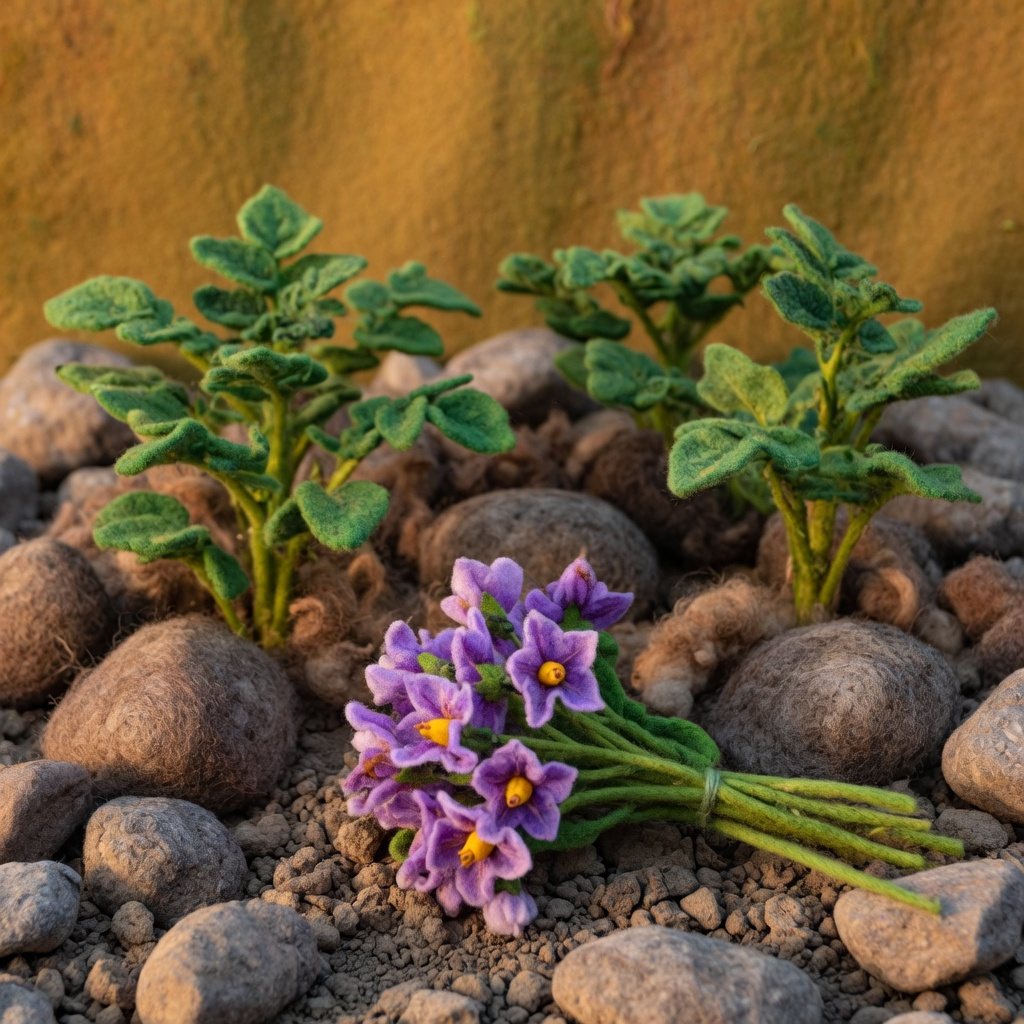
After the war, he worked hard to change minds. In 1772 Paris doctors said potatoes were safe to eat. King Louis XVI gave Parmentier a patch of poor land near Paris. Parmentier planted potatoes there in 1786 to show they could grow almost anywhere.
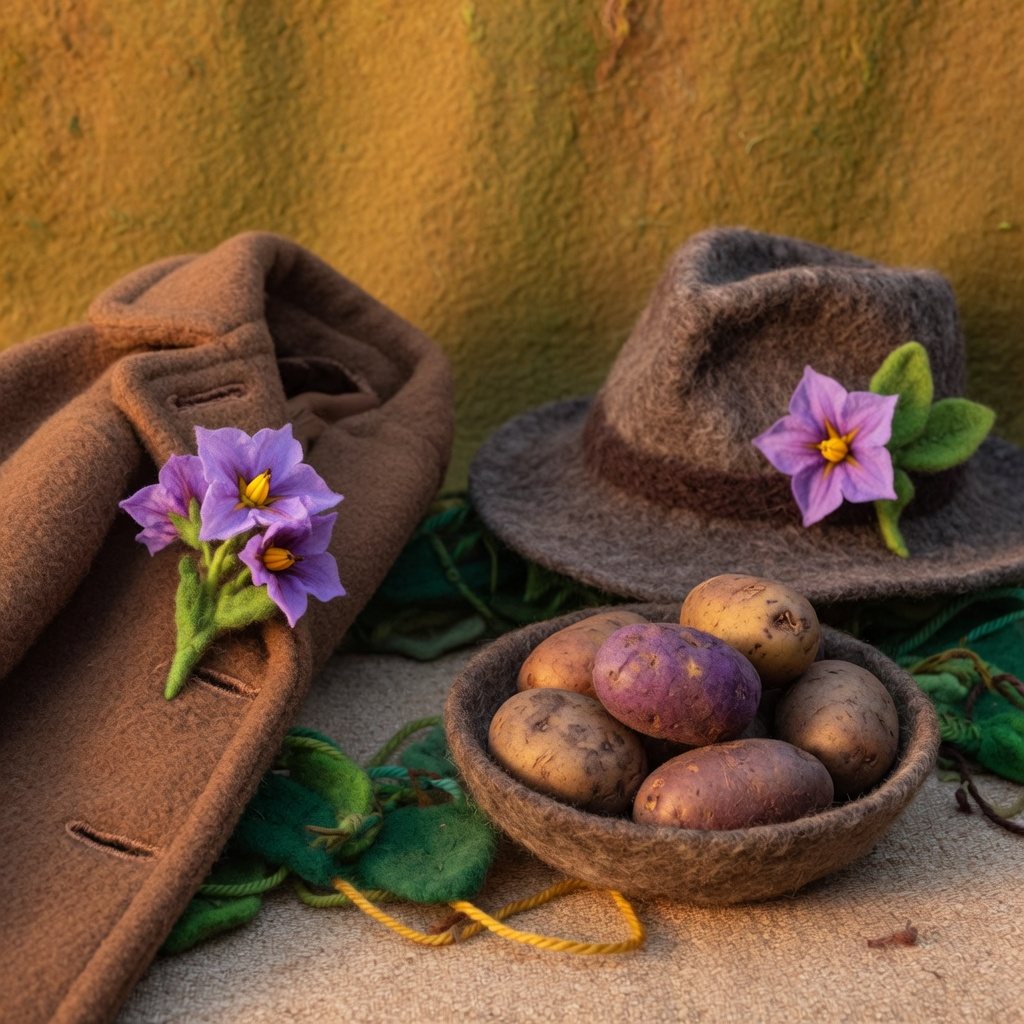
On 24 August 1786, he brought a bunch of potato flowers to the palace of Versailles. The king tucked one into his buttonhole. Another went to Queen Marie Antoinette, who is said to have worn it on her hat or in her hair. Soon potatoes were served at the royal table. Fashion helped where books had not.
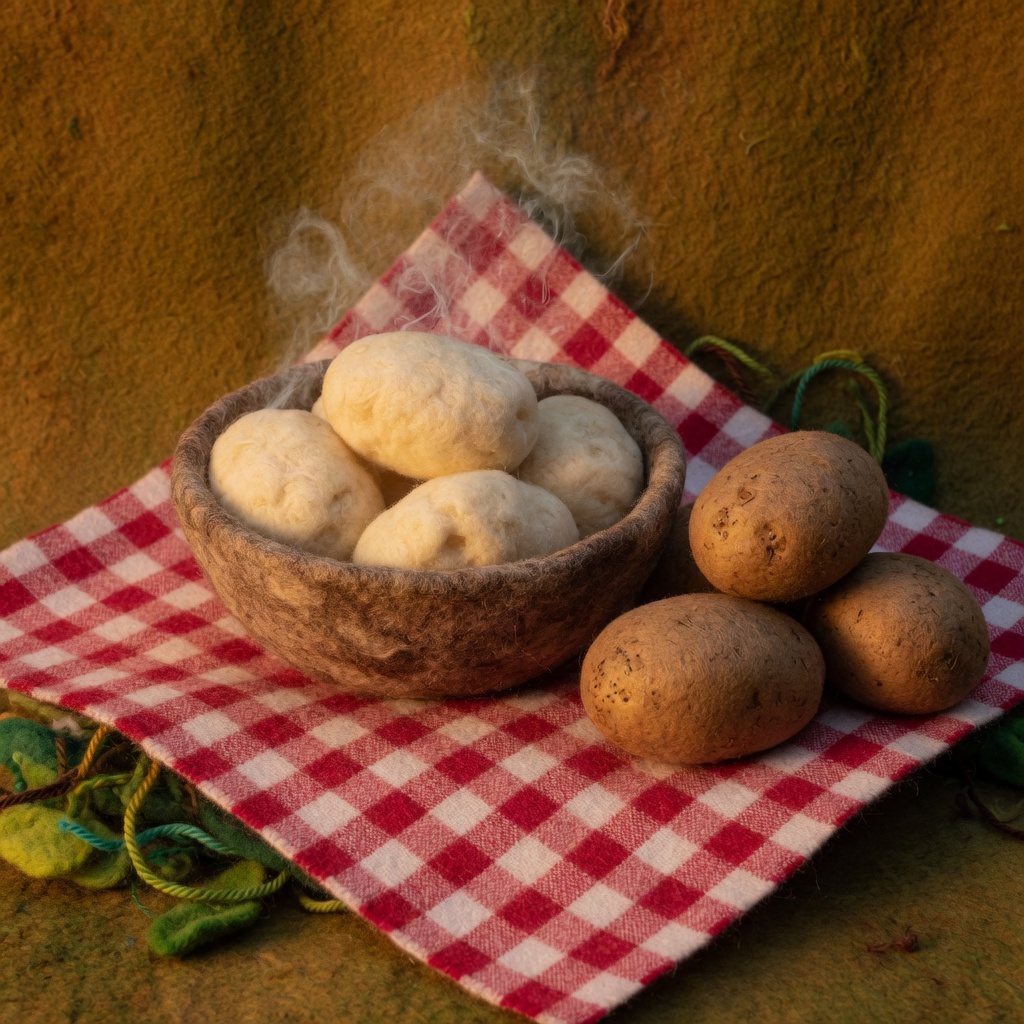
There is a famous tale that Parmentier had guards watch his field by day, so people would sneak in and steal potatoes at night. Historians think this was made up later. Still, within a generation, potatoes were everyday French food.
Want to know more?The full history, step by step
The story you've heard
It seems absurd now. The potato is one of the world's most important foods. Yet for a long time many Europeans would not eat it, and some feared it.
That fear was real, though it varied a lot from place to place. In France it took a determined pharmacist named Antoine-Augustin Parmentier, and a royal flower arrangement, to help turn things around.
From the Andes to a suspicious Europe
The potato's story begins in the Andes. According to the UN's Food and Agriculture Organization, farmers near Lake Titicaca, on the border of today's Peru and Bolivia, began cultivating it about 8,000 years ago. By the time of the Incas it was a staple, freeze-dried and stored in huge state warehouses.
Spanish conquerors brought it across the Atlantic. The first evidence of potatoes growing in Europe comes from the Canary Islands in 1565, and by 1573 they were being grown on mainland Spain. Tubers were then sent around Europe as exotic gifts, reaching the Pope in Rome and travelling on from there.
Growing it was one thing; eating it was another. The potato belongs to the nightshade family, and its leaves and green parts contain toxic compounds, so suspicion was not entirely silly. In prosperous parts of France it was rejected partly because it could not be made into proper bread, and partly because it was thought unhealthy or even bewitching. Many people saw it as food for livestock. Several accounts say a French law of 1748 banned growing potatoes over fears they caused leprosy, a ban said to have lasted until 1772.
A prisoner's discovery
Antoine-Augustin Parmentier was born in Montdidier, Picardy, in 1737. During the Seven Years' War he served as an army pharmacist and was captured by the Prussians. In captivity he was fed potatoes, which in France were thought fit only for pigs, and he noticed that he was perfectly healthy.
After the war he made the potato his cause. In 1772 the Paris Faculty of Medicine declared the potato fit to eat. In 1773 he won a prize from the Academy of Besançon, which had asked for foods that could feed people in times of famine; his entry championed the potato.
Flowers at Versailles
With the support of Louis XVI, Parmentier was given poor land at Les Sablons, near Neuilly to the west of Paris, to show that potatoes could thrive where little else would. He planted in spring 1786, while Parisians laughed.
On 24 August 1786, the eve of the feast of Saint Louis, he took a bouquet of potato flowers to Versailles. The king put one in his buttonhole, and another was given to Marie Antoinette, who is said to have worn it on her hat or in her hair. Before long, potatoes were being served at the royal table.
You may have heard a cleverer tale: that Parmentier posted guards around his field by day and withdrew them at night, so that curious peasants would steal the precious crop. That story first appeared after his death and is told about several other people too, so historians treat it as almost certainly invented.
On your plate today
The Revolution kept up the campaign, and within a generation potatoes were ordinary French food. Parmentier's name lives on in dishes such as hachis Parmentier, a French cottage pie, and in a Paris Métro station. So the next time you split open a baked potato, remember it once needed a royal buttonhole to be taken seriously.
Timeline
- c. 8,000 years agoPotatoes are domesticated near Lake Titicaca in the Andes.
- 1565First evidence of potato growing in Europe, on Spain's Canary Islands.
- 1737Antoine-Augustin Parmentier is born in Montdidier.
- 1756–1763The Seven Years' War; Parmentier is captured and lives on potatoes.
- 1772–73The Paris Faculty of Medicine declares potatoes edible; Parmentier wins the Besançon prize.
- 24 August 1786Parmentier brings potato flowers to Versailles.
Sources
- The potato (International Year of the Potato 2008) · Food and Agriculture Organization of the United Nations
- Pomme de terre : l'incroyable épopée, des Andes à Versailles · Herodote.net
- Potatoes were banned due to leprosy fears · The Connexion
- Antoine-Augustin Parmentier · Wikipedia
- The history of mashed potatoes · Mental Floss
Spotted something we got wrong? Message us on any of our channels and we'll check it.
Woolly facts
Farmers near Lake Titicaca in the Andes started growing potatoes about 8,000 years ago.
The potato belongs to the nightshade family, and its leaves and green parts contain toxic compounds.
Antoine-Augustin Parmentier first ate potatoes as a prisoner of war in Prussia and found he stayed perfectly healthy.
In 1786 King Louis XVI wore a potato flower in his buttonhole to help make potatoes popular in France.
Some accounts say France banned growing potatoes from 1748 to 1772 because people feared they caused leprosy.
The first evidence of potatoes growing in Europe comes from Spain's Canary Islands in 1565.
The French dish hachis Parmentier, a kind of cottage pie, is named after potato champion Antoine-Augustin Parmentier.
Thousands of potato varieties are still grown in the Andes mountains of South America today.