
The Caesar salad was invented in Mexico, not Rome.
The Caesar salad is not from ancient Rome, and it has nothing to do with Julius Caesar. It was created in Tijuana, Mexico, in the 1920s by an Italian restaurant owner named Caesar Cardini.
It was created in Tijuana in the 1920s by an Italian restaurateur named Caesar Cardini, though who in his kitchen first made it is still argued over.
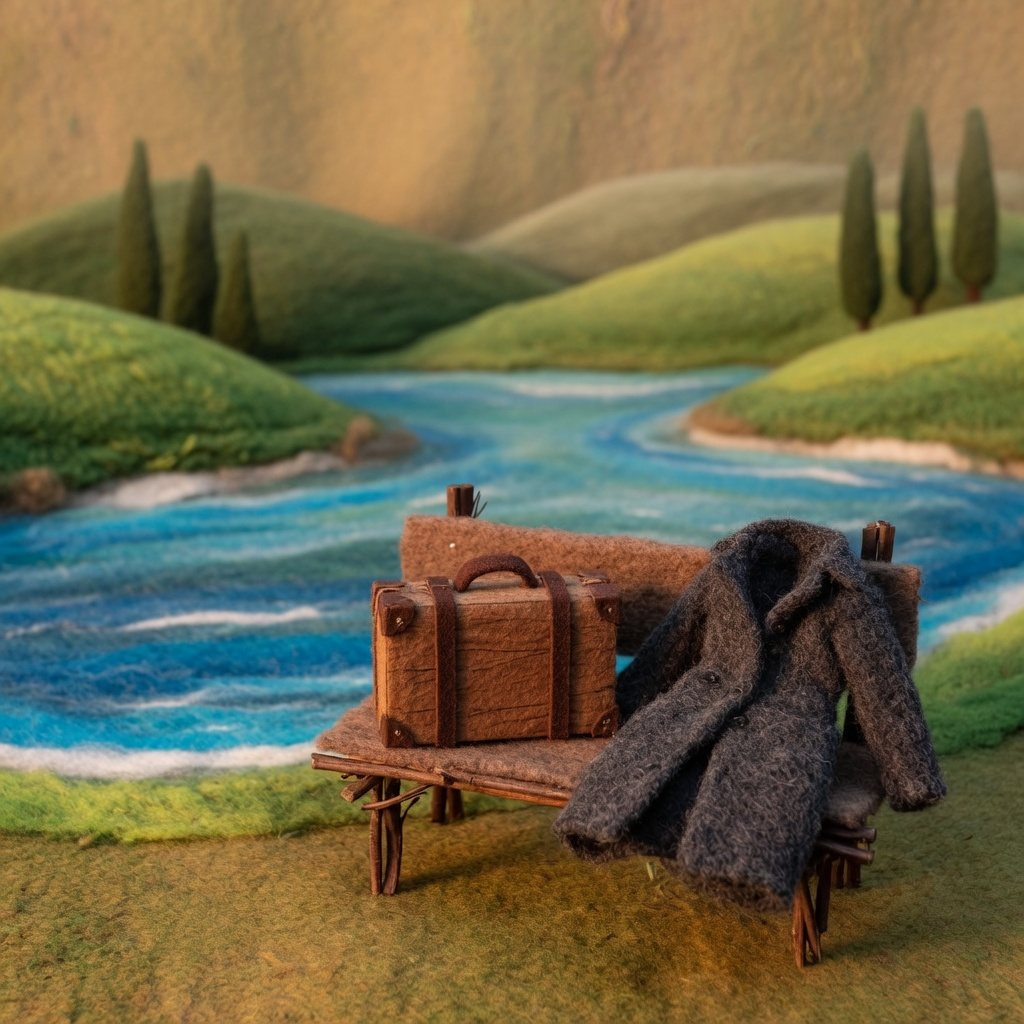
Caesar Cardini was born in 1896 in Baveno, a town on a lake in northern Italy. Like many Italians, he moved to America. He ran restaurants in California and settled in San Diego, close to the Mexican border.
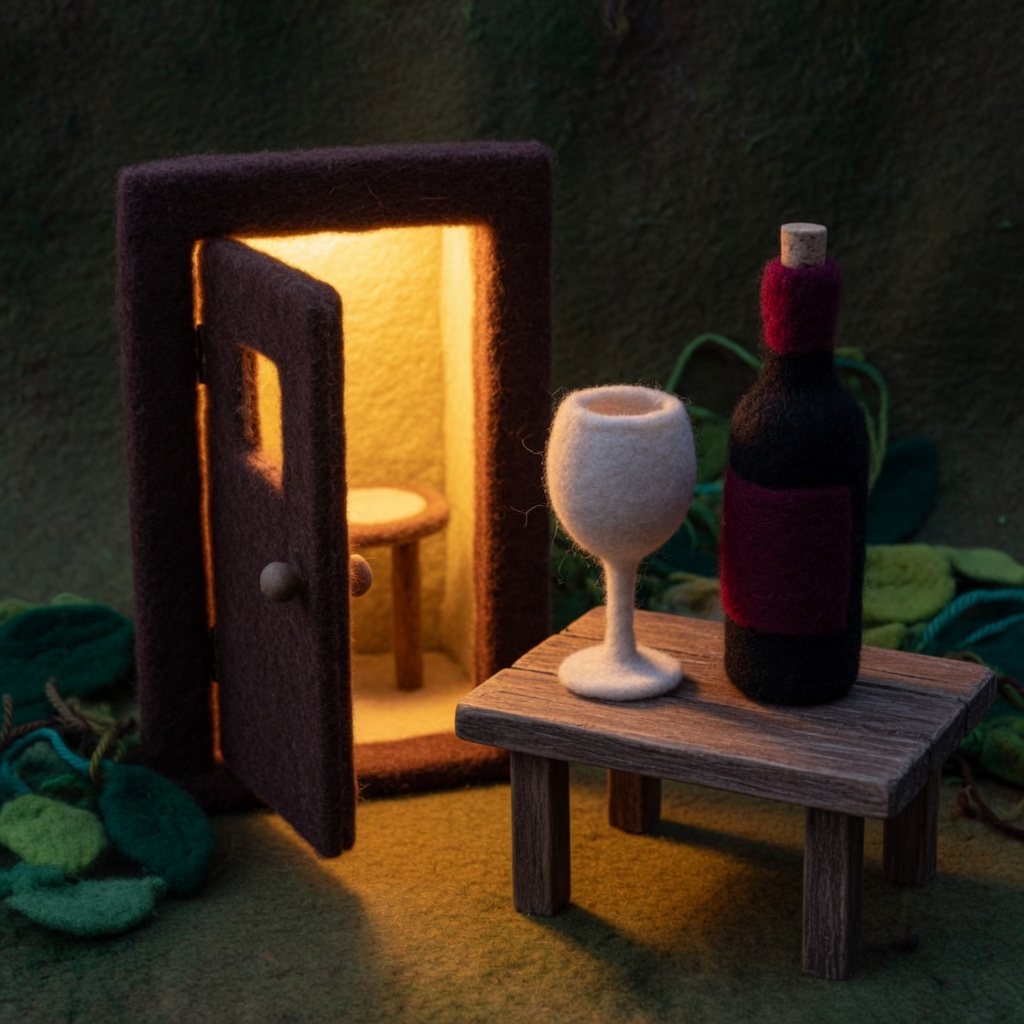
In 1920 the United States began Prohibition. This was a law that made alcohol illegal. Many Californians drove across the border to Tijuana in Mexico, where they could still have a drink and a big dinner. Cardini and his brother Alex opened a restaurant there called Caesar's.
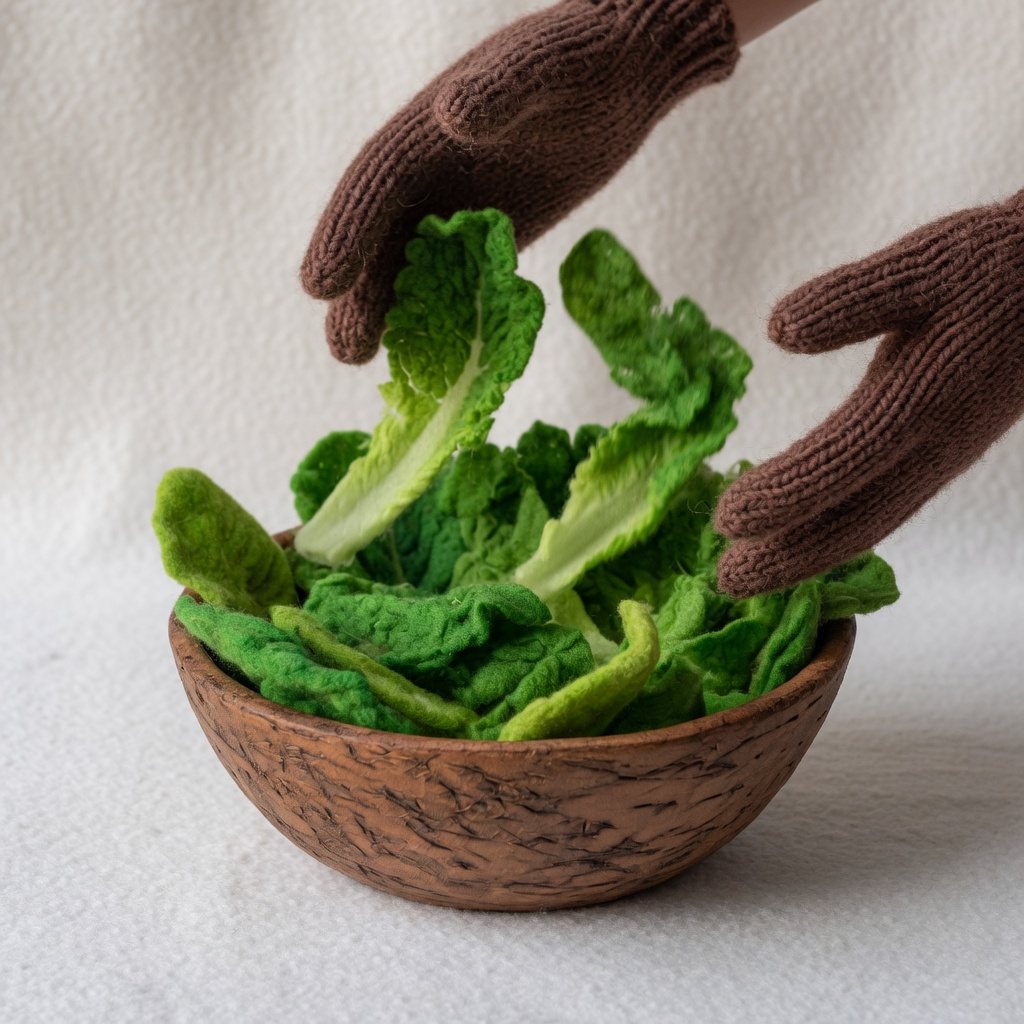
His daughter, Rosa, later told the famous story. She said that on 4 July 1924, the restaurant was packed with holiday crowds. The kitchen ran low on food. So her father made a salad from what was left, and he mixed it right at the table, like a little show.
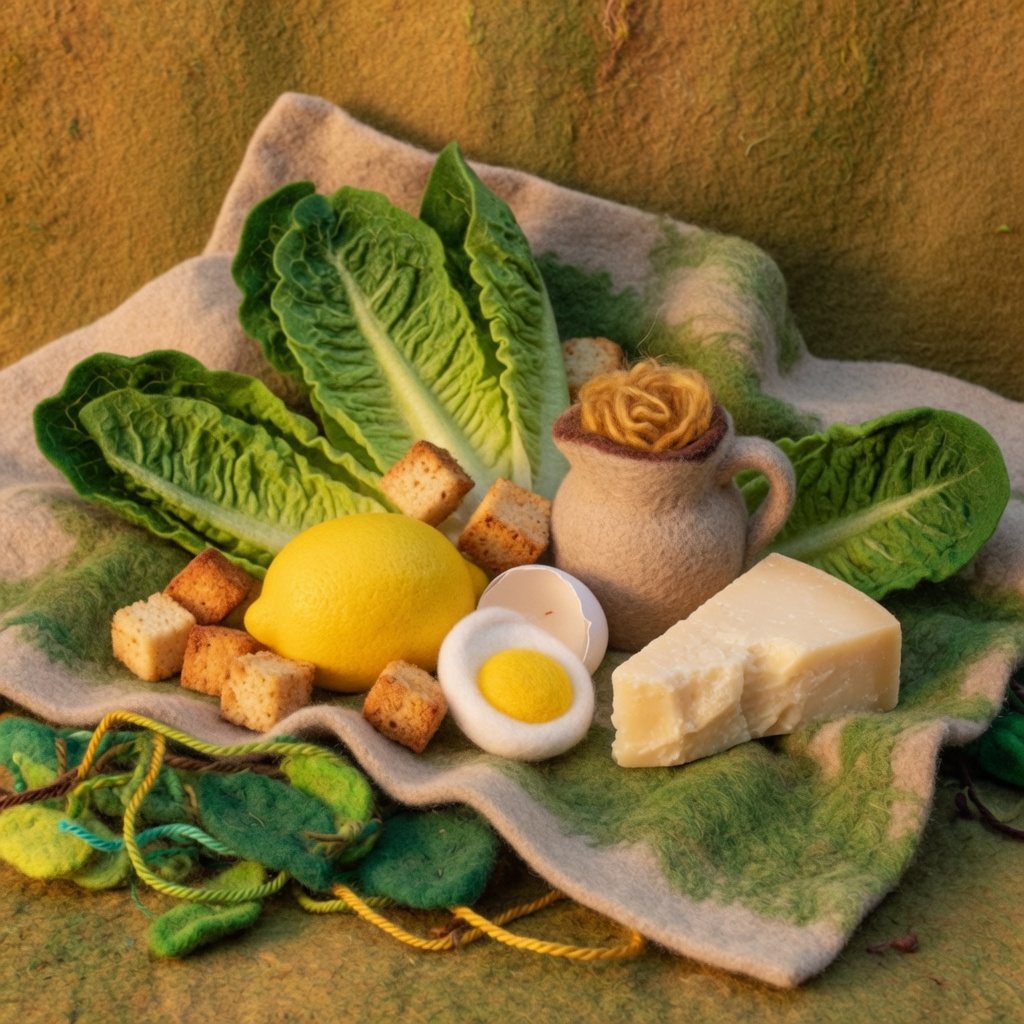
The salad had whole romaine lettuce leaves, made to be eaten with your fingers. It also had croutons, olive oil, lemon juice, a lightly cooked egg, Worcestershire sauce and Parmesan cheese. Rosa said there were no anchovies. The slight fishy taste came from the Worcestershire sauce.

Not everyone agrees on who made it first. Some say Alex Cardini made his own version. A cook called Livio Santini is also said to have supplied the recipe. The exact date rests on family memory. But everyone agrees on the place, Tijuana, and the 1920s.
Film stars and visitors carried the salad back to the USA. The Cardinis later moved to Los Angeles and sold bottled dressing. By the 1960s, waiters all over America tossed Caesar salads at the table. In 2024 Tijuana held a festival for the salad's 100th birthday.
Want to know more?The full history, step by step
The story you've heard
With a name like that, plenty of people assume the Caesar salad goes back to Julius Caesar, or at least to ancient Rome. It sounds grand and old.
The real Caesar was a restaurant owner, and the salad is about a century old. It was born not in Italy but in Mexico, just south of the California border.
A border town in the Prohibition years
Caesar Cardini was born in 1896 in Baveno, on the shores of Lake Maggiore in northern Italy. Like many Italians of his generation, he emigrated, ran restaurants in California and settled in San Diego.
In 1920 Prohibition made alcohol illegal across the United States. Tijuana, a short drive from San Diego, became a playground for Californians who wanted a drink and a good dinner. Cardini, with his brother Alessandro, known as Alex, opened a restaurant there, Caesar's, catering to those visitors.
The culinary historian Jeffrey Pilcher has pointed out that it is really an Italian dish made in Mexico. Tijuana had many Italian immigrants, and the salad reflects their cooking as much as the place.
The night it was tossed
The story comes mainly from Caesar's daughter, Rosa Cardini. She said that on 4 July 1924 the restaurant was overwhelmed by holiday crowds and the kitchen ran short. Her father gathered what he had and made a salad at the table, turning the preparation into a bit of theatre for the diners.
The original, as the family described it, used whole inner leaves of romaine meant to be eaten with the fingers, croutons, garlic-flavoured olive oil, lemon juice, a briefly boiled or coddled egg, Worcestershire sauce, Parmesan, salt and pepper. Rosa was firm that her father did not add anchovies; the faint fishy note came from the Worcestershire sauce. The cook Julia Child later recalled eating it at Cardini's as a child in the 1920s.
As with many famous dishes, others have claimed it. Some accounts credit Alex Cardini with a version made with lime and anchovy and called the Aviator's Salad, said to be named for airmen from a San Diego base. Livio Santini, a cook at the restaurant, is also said by his family to have supplied the recipe, possibly his mother's. The date itself rests on family memory rather than a menu or newspaper from that night. What everyone agrees on is the place, Tijuana, and the decade.
Why the Roman myth stuck
Part of the confusion is simply the name. Caesar is one of the most famous names in history, and a salad called Caesar sounds as if it ought to be ancient. The idea that it was named after Julius Caesar is a popular myth with nothing behind it.
The other part is that the dish does have Italian ancestors. Beth Forrest, a professor at the Culinary Institute of America, has compared it to pinzimonio, raw vegetables dipped in olive oil and lemon, and to bagna cauda, a warm garlic and anchovy dip from Piedmont, the region where Cardini was born. So the salad is Italian in spirit and Mexican by birthplace, which is a far better story than a Roman emperor.
From Tijuana to your plate
Hollywood visitors carried the salad north, and Cardini himself later credited a film-studio story editor with spreading the recipe to Los Angeles restaurants in the late 1930s. When Prohibition ended in 1933, Tijuana's trade dropped, and the Cardinis moved to Los Angeles. They began bottling the dressing, Caesar trademarked it in 1948, and after his death in 1956 Rosa ran and expanded the business.
A recipe reached the 1951 edition of the Joy of Cooking, and by the 1960s and 1970s waiters across America were tossing Caesar salads at the table, just as Cardini had.
The family business grew under Rosa, who added many more dressings to the range. The company was sold in 1996, and Caesar Cardini dressings are still on supermarket shelves today.
In July 2024 Tijuana marked the salad's hundredth birthday with a festival, and the restaurant on Avenida Revolución still makes it. Modern versions often add anchovies, chicken or a creamy dressing. Whatever is in your bowl, its name honours an Italian cook in Mexico, not a Roman general.
Timeline
- 1896Caesar Cardini is born in Baveno, Italy.
- 1920Prohibition begins in the United States, sending Californians to Tijuana.
- 4 July 1924According to his daughter, Cardini improvises the salad during a holiday rush.
- 1935With Prohibition over, the Cardini family moves to Los Angeles.
- 1948Cardini trademarks his Caesar dressing.
- 2024Tijuana celebrates the salad's centenary.
Sources
- Et tu, crouton? Caesar salad, invented in Mexico by Italian immigrants, turns 100 · Associated Press via NY1
- Caesar salad · Wikipedia
- Caesar Cardini · Wikipedia
Spotted something we got wrong? Message us on any of our channels and we'll check it.
Woolly facts
The Caesar salad was named after Caesar Cardini, an Italian restaurant owner, not Julius Caesar.
The Caesar salad was created in Tijuana, Mexico, where Americans went to eat and drink during Prohibition.
The original Caesar salad used whole romaine leaves that were meant to be eaten with your fingers.
Rosa Cardini said her father's Caesar salad had no anchovies; the fishy hint came from Worcestershire sauce.
The famous cook Julia Child remembered eating Caesar salad at Cardini's restaurant as a child in the 1920s.
Caesar Cardini trademarked his Caesar salad dressing in 1948.
Tijuana held a festival in July 2024 to celebrate the Caesar salad's 100th birthday.
About a third of restaurants in the United States have a Caesar salad on the menu, according to figures reported in 2024.