
The green paste next to your sushi probably isn't wasabi.
The green paste served with most sushi is usually not real wasabi. It is mostly horseradish and mustard, coloured green. Real wasabi is a rare Japanese plant that is grated fresh and loses its flavour within minutes.
Most 'wasabi' served outside top sushi bars is a dyed mix of horseradish and mustard; the real plant is rare, pricey and fades fast.
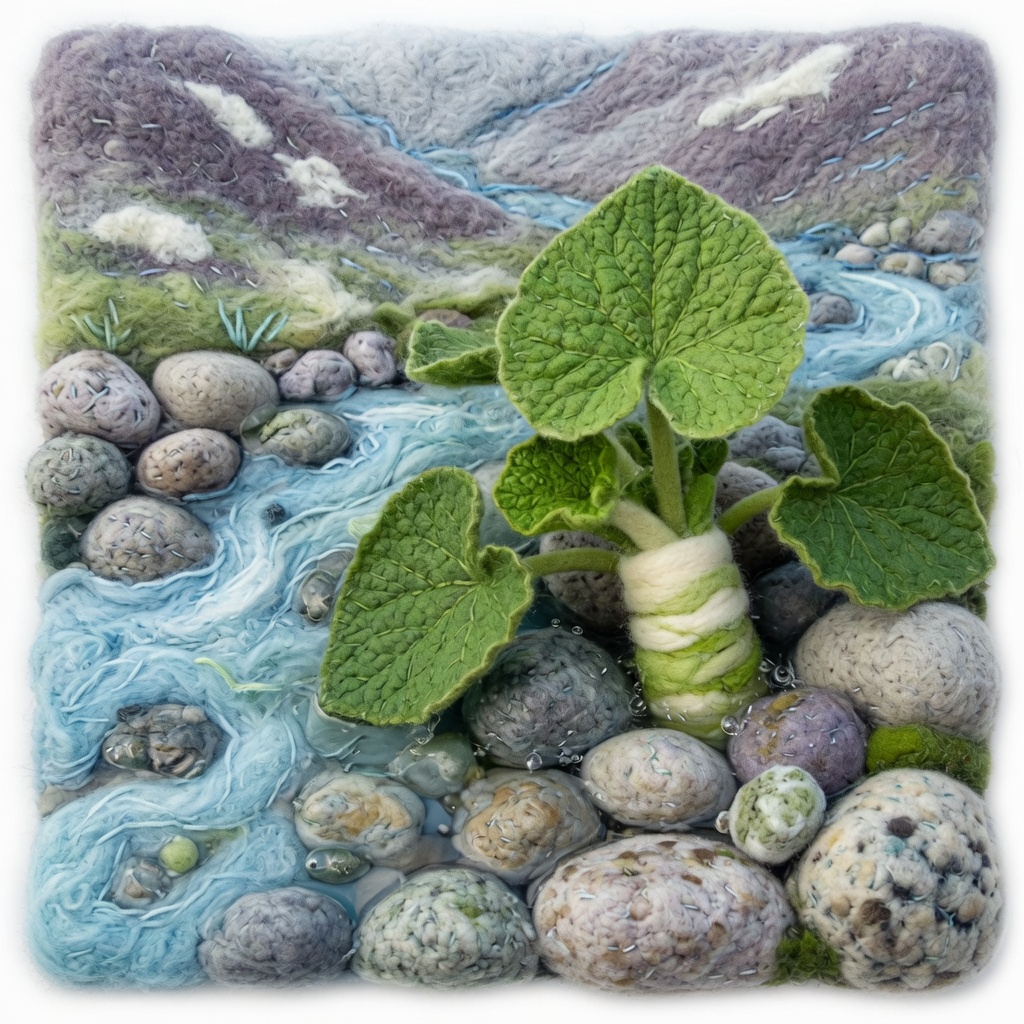
Wasabi is a plant from Japan. It belongs to the same family as mustard and cabbage. The part people grate looks like a root. It is really a rhizome, which is a thick stem that grows at the bottom of the leaves. Wild wasabi grows in clear, cold mountain streams.
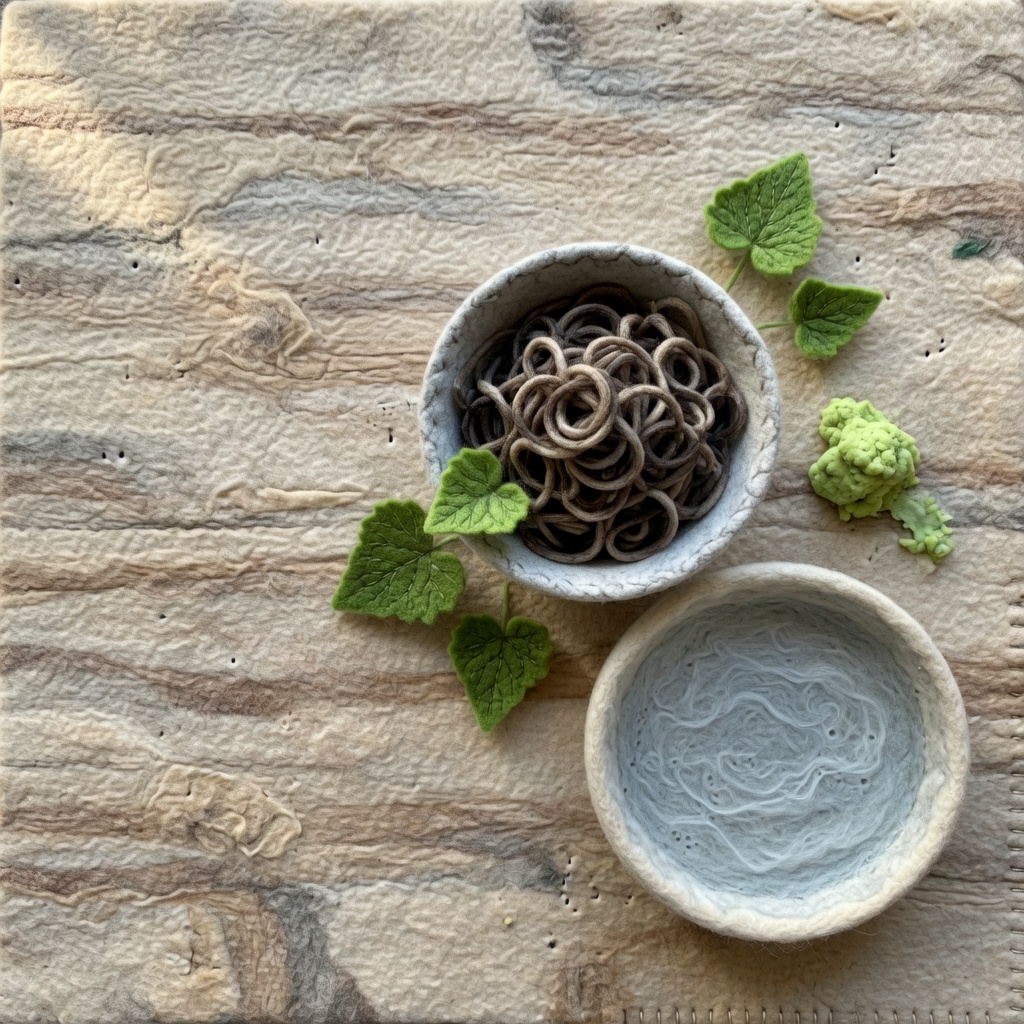
People in Japan have used wasabi for a very long time. Old records show it was used as a medicine before the year 710. Around 1600, villagers in Utogi, in Shizuoka, replanted wild wasabi beside a spring. This is often called the start of wasabi farming.
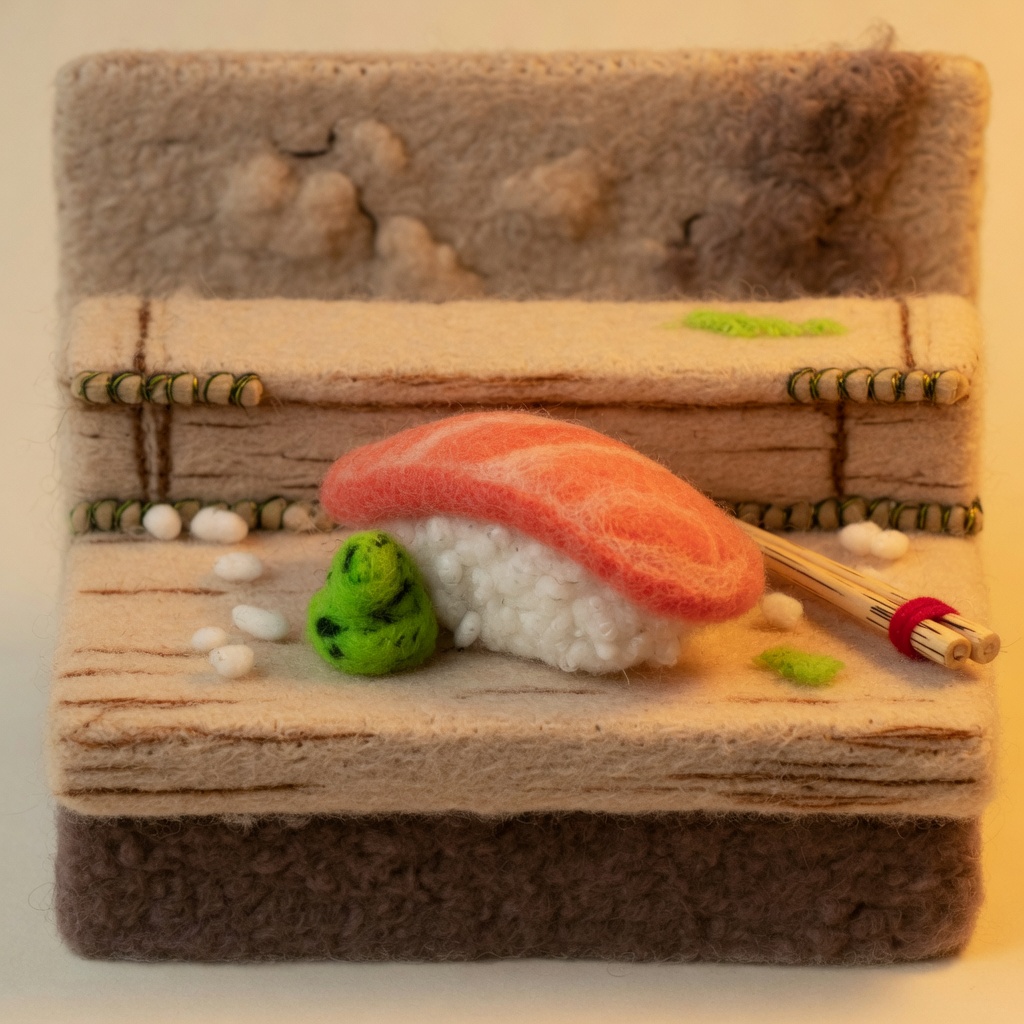
At first, wasabi was eaten with soba noodles. In the early 1800s, a new kind of sushi called nigirizushi became popular in Edo, the old name for Tokyo. Cooks tucked a dab of wasabi between the rice and the fish. Sushi and wasabi have gone together ever since.
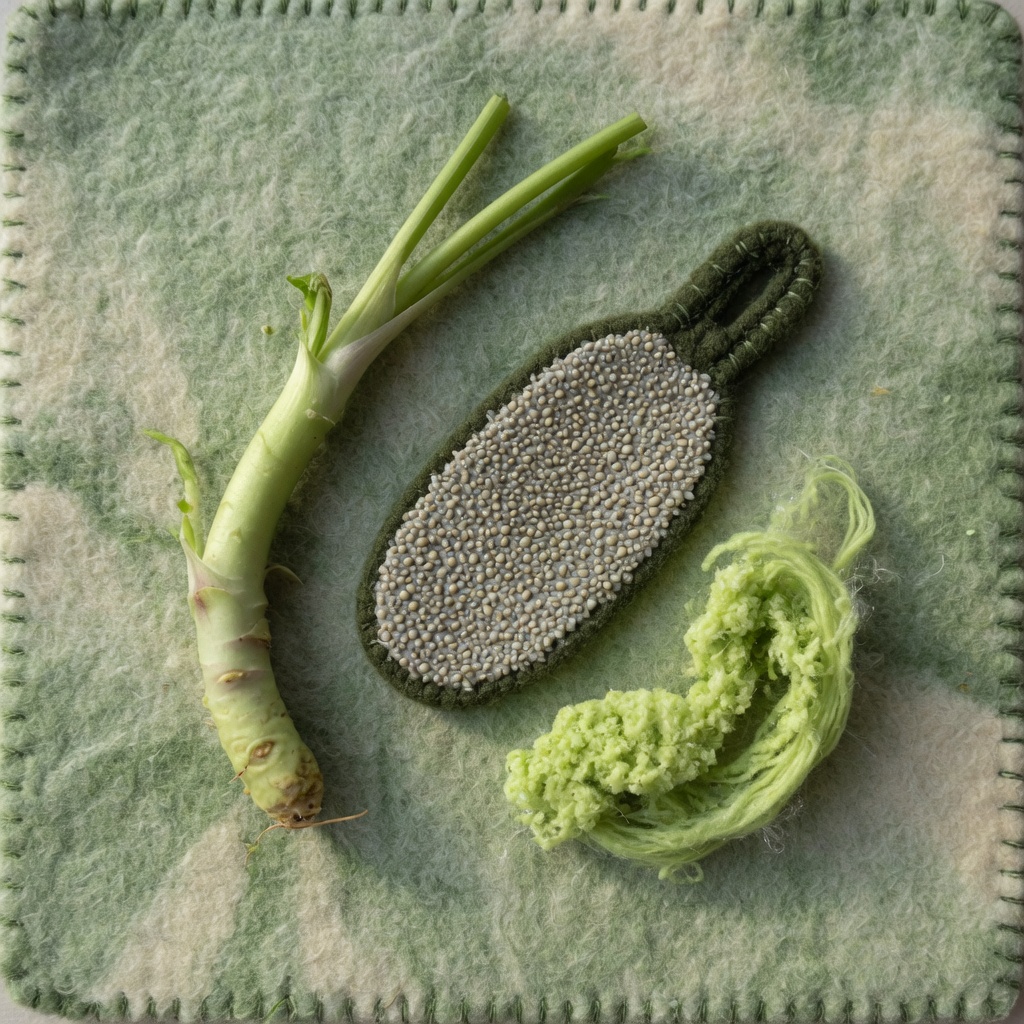
Real wasabi is hard to grow. It needs cold, clean, flowing water and shade. It takes between 18 months and three years to grow big enough. In the kitchen it is unusual too. A whole wasabi stem is hardly hot at all. The heat only appears when it is grated, because breaking the cells starts a chemical reaction. Chefs use a fine grater covered in sharkskin. The flavour is at its best for only a few minutes, and then it fades.
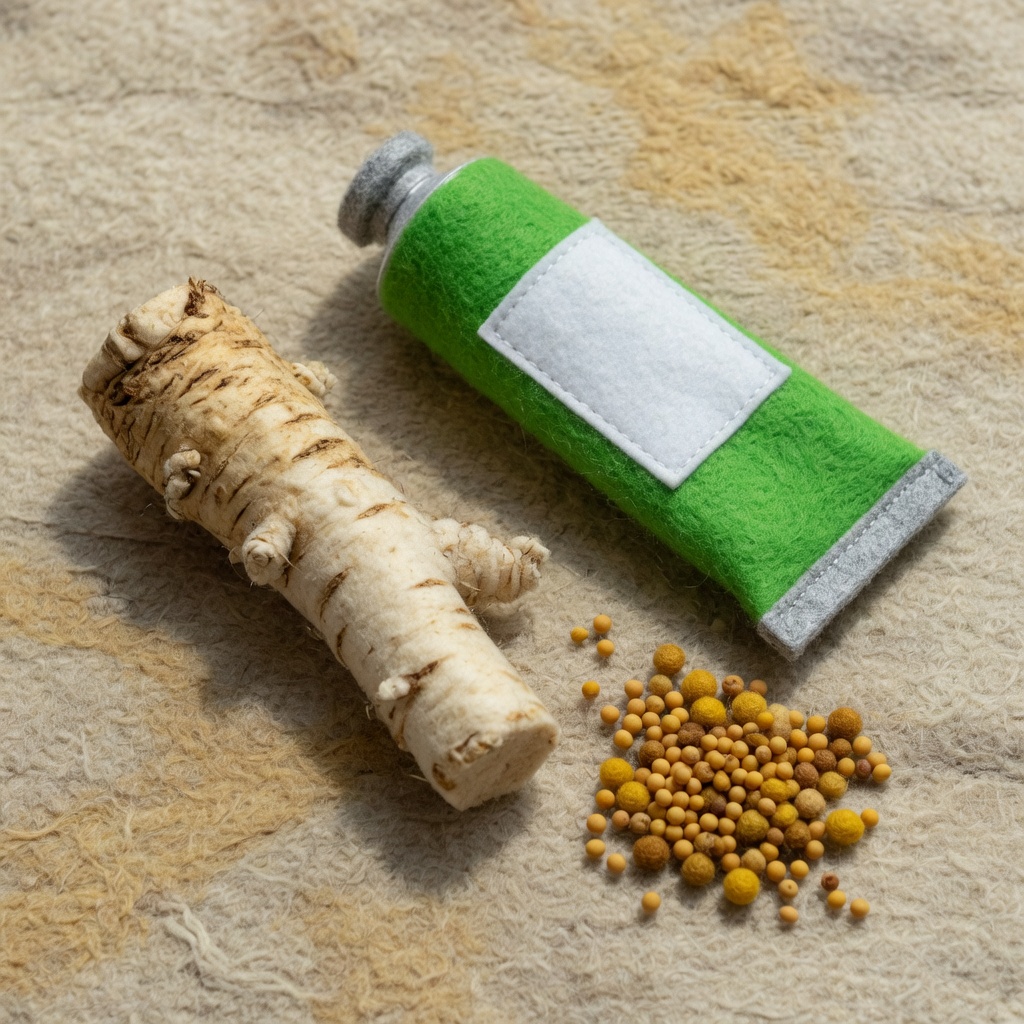
Because the real plant is rare, expensive and fades fast, most restaurants use a stand-in. It is usually horseradish powder and mustard, dyed green. Horseradish is a close cousin of wasabi, so it gives a similar kick, just a louder and less fragrant one. One rough guess says only about 5 per cent of restaurant wasabi around the world is the real thing.
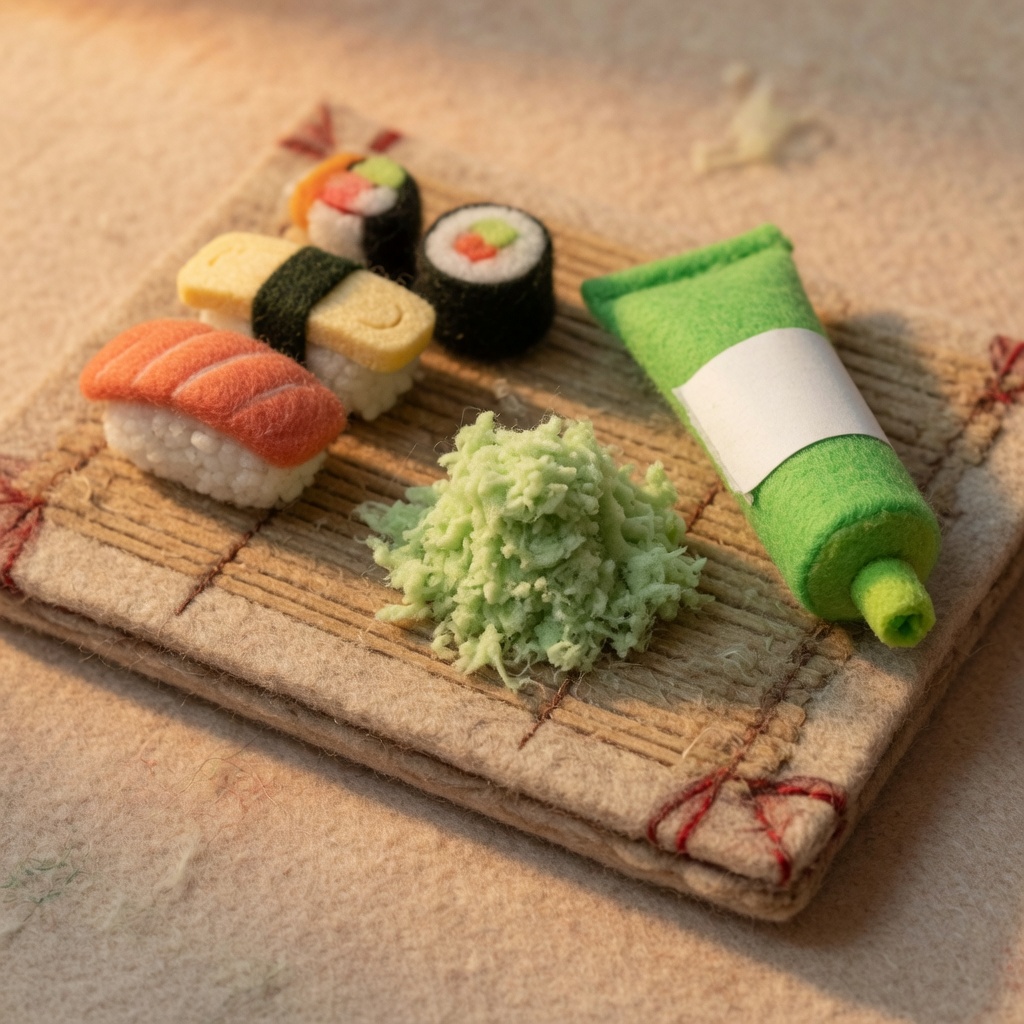
So the paste in the tube is a handy copy, not a sneaky fake. But in serious sushi bars, chefs still grate the real stem in front of you. Real wasabi is paler green, softer and sweeter. Its fresh smell vanishes almost as quickly as it arrives.
Want to know more?The full history, step by step
The story you've heard
Order a plate of sushi almost anywhere in the world and it arrives with a neat little blob of green paste. Most of us call it wasabi, dab a bit on the fish, and wait for that famous rush up the nose.
It feels like part of the ritual, as Japanese as the chopsticks. But in most restaurants, supermarkets and handy squeezy tubes, that green paste contains little or no wasabi at all.
A plant that hates to be rushed
Real wasabi is a plant native to Japan, a member of the mustard and cabbage family. The part people grate is often called a root, but it is really a thick rhizome, a stem that grows at the base of the leaves. According to Nippon.com, wild wasabi lives in the shallow water of clear, cold streams in cool mountain areas, and it takes between eighteen months and three years to reach a usable size.
Growing it on purpose means copying those streams. Japan's tourism agency describes farms in Azumino, in Nagano, built around springs fed by snowmelt from the Northern Alps, with the water kept at about 13°C and black cloth hung over the beds in summer for shade. Nippon.com adds that the water should stay below about 16°C even in midsummer. In Shizuoka, farmers use a terraced method called tatamiishi, layering large stones, pebbles and sand so spring water can trickle through. That system has been used for around 400 years and was recognised by the United Nations Food and Agriculture Organization as a Globally Important Agricultural Heritage System in 2018.
History runs deep too. Nippon.com says records show wasabi being used as a medicinal herb in the Asuka period, which ended in 710. Shizuoka Prefecture traces cultivation to the Keicho era, roughly 1596 to 1615, when wild plants from the mountains above Utogi were replanted beside a village spring. Local tradition says the shogun Tokugawa Ieyasu was so fond of it that he banned taking it out of the area.
Why it must be grated at the last minute
Here is the surprising part: bite into a whole wasabi rhizome and it is not really hot. The heat only appears when the cells are broken. Grating mixes an enzyme with other compounds in the plant, and together they make allyl isothiocyanate, a sharp mustard oil. The finer the grating, the stronger the kick, which is why the traditional tool is a grater covered in sharkskin, rubbed in slow circles.
That kick does not last. Japan's tourism agency says the peak flavour lasts only about three to fifteen minutes after grating, and Mental Floss gives a similar window of fifteen to twenty minutes. Either way, real wasabi is a sprint, not a marathon. Smithsonian Magazine notes another clue: unlike chilli, whose heat sits on the tongue, wasabi's compounds mostly hit the nasal passages.
Real wasabi also tastes different. It has a sweet, fresh, almost green aroma, and grated wasabi is a soft green, while grated horseradish is white.
So what is in the tube?
Because the real thing is slow to grow, hard to farm and quick to fade, most kitchens use a substitute. Mental Floss describes the usual version as a dyed blend of horseradish powder and mustard, sometimes with a small amount of real wasabi added. Smithsonian Magazine found the same mix of horseradish, mustard and food colouring in a supermarket pack. Horseradish is a close cousin, so it brings a similar heat, just a louder and less fragrant one. In Japan horseradish is even called seiyō-wasabi, Western wasabi.
Mental Floss reports an estimate that only around five per cent of the wasabi served in restaurants worldwide is the real plant. Treat that figure as a rough guess rather than a measurement, but the direction is clear.
Wasabi's link with sushi is old, but not ancient. Nippon.com explains that it was first a condiment for soba noodles, and its popularity surged in the early 1800s with the invention of nigirizushi in Edo, today's Tokyo, where a dab sits between the rice and the topping.
On your plate today
The paste in a tube is not a fake in a sneaky sense. It is a practical stand-in that keeps for months and gives a similar jolt. But if you are in a serious sushi bar and see the chef rubbing a knobbly green stem over a small grater, you are getting the real thing, and it is worth tasting on its own first. Look for a paler green, a softer heat and a fresh, sweet smell that vanishes almost as quickly as it arrived.
Timeline
- 593–710Records show wasabi used as a medicinal herb in Japan's Asuka period.
- 1596–1615Wild wasabi is replanted beside a spring in Utogi, Shizuoka, traditionally seen as the start of cultivation.
- Mid-1700sCultivation techniques spread from Utogi to the Izu region.
- Early 1800sNigirizushi becomes popular in Edo, with grated wasabi tucked between rice and topping.
- 2018Shizuoka's traditional wasabi terraces are recognised as a Globally Important Agricultural Heritage System.
Sources
- Wasabi (Japan Glances) · Nippon.com
- Wasabi Cultivation · Japan Tourism Agency multilingual database (MLIT)
- Can Wasabi Save Lives? · Smithsonian Magazine
- What Exactly Is Wasabi? · Mental Floss
- Wasabi Pickles · Shizuoka Prefecture Food Information Center
Spotted something we got wrong? Message us on any of our channels and we'll check it.
Woolly facts
Real wasabi is not a root but a rhizome, a thick stem that grows in cold, clear mountain streams in Japan.
A whole wasabi stem is hardly hot at all: wasabi only gets its kick when it is grated and its cells break open.
Sushi chefs traditionally grate real wasabi on a small grater covered in sharkskin, rubbing it in slow circles.
Freshly grated wasabi loses its best flavour within minutes, which is why sushi chefs grate it just before serving.
Most wasabi paste sold in tubes is really horseradish and mustard dyed green, sometimes with only a little real wasabi added.
In Japan, horseradish is called seiyō-wasabi, which means 'Western wasabi'.
Wasabi's heat is different from chilli: chilli burns the tongue, but wasabi mostly rushes up into your nose.
Wasabi farms in Shizuoka, Japan, use stone-and-sand terraces about 400 years old, given special heritage status by the UN's Food and Agriculture Organization in 2018.